30 May 2026
- 0 Comments
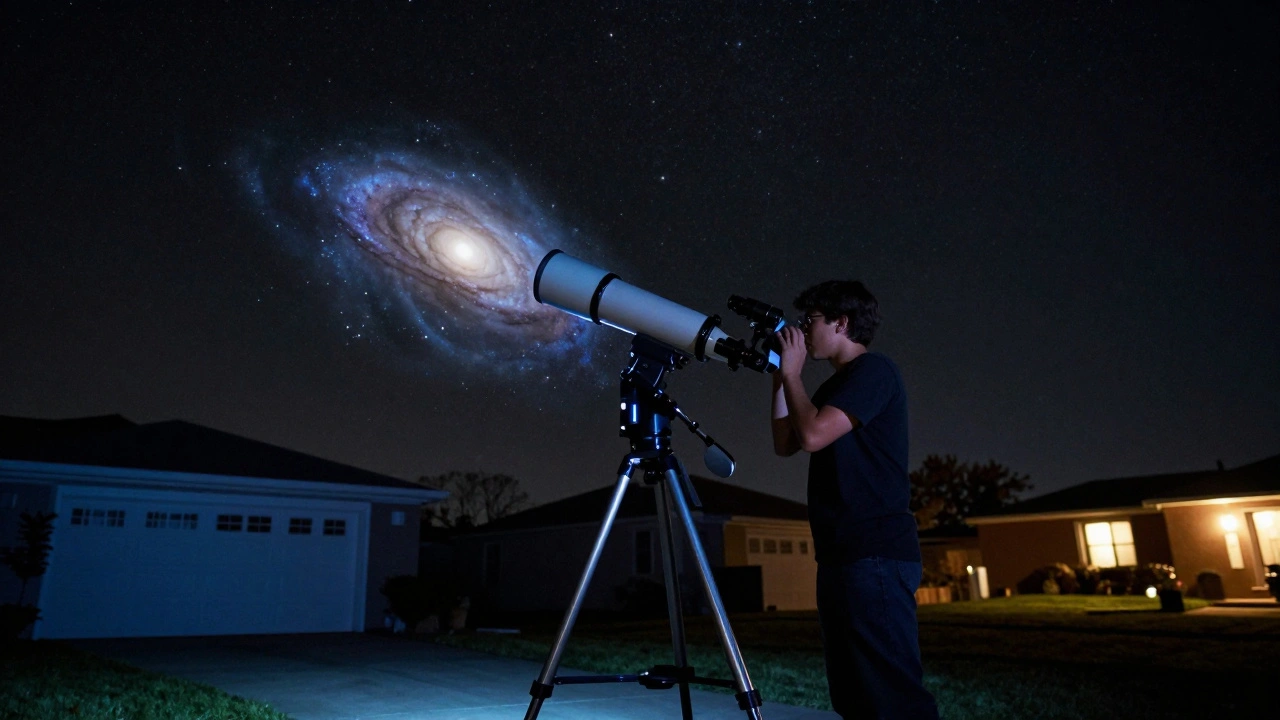
It’s 2 AM. You’ve hauled your heavy mount up the driveway, fought with the cables, and finally have the telescope pointed at M51. The sky is pitch black-perfect transparency. But when you look through the eyepiece, the galaxy isn’t a crisp spiral. It’s a blurry blob dancing around like it’s on ice skates. You feel that familiar frustration. You had the dark sky, but you lost the detail.
This is the classic trap of amateur astronomy: confusing transparent skies with steady skies. They are not the same thing. In fact, they often work against each other. If you want to see fine details in planets or tight double stars, you need steadiness. If you want to see faint nebulae and distant galaxies, you need transparency. Knowing which one you actually need-and how to predict it-is the difference between a rewarding night and a wasted one.
The Difference Between Transparency and Steadiness
To plan your sessions effectively, you first need to understand what you are looking at. These two terms describe completely different atmospheric phenomena.
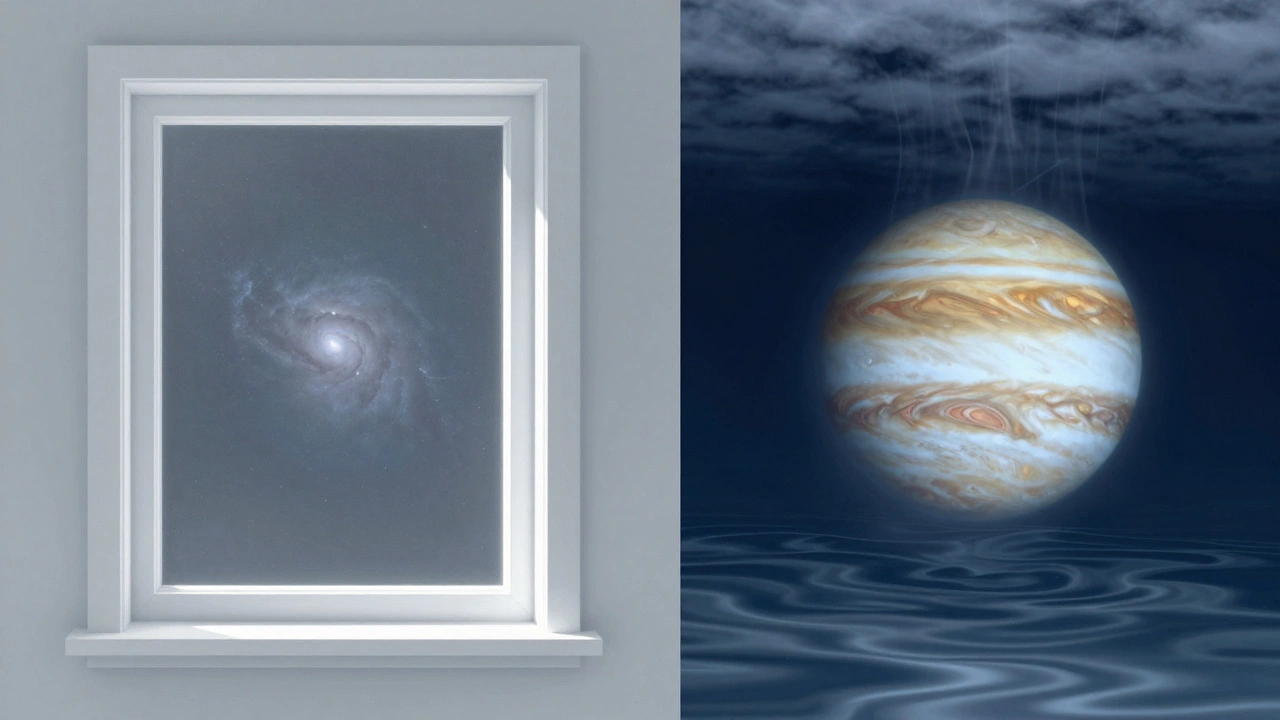
Transparency refers to how much light gets through the atmosphere to your eye. High transparency means low humidity, little dust, and no clouds. It allows you to see faint objects. Think of it as the clarity of a windowpane. If the window is dirty or foggy, you can’t see through it. That’s poor transparency.
Seeing, or steadiness, refers to the stability of the air. Air moves in layers of different temperatures. When these layers mix, they create turbulence. This turbulence bends light rays, causing stars to twinkle and planetary details to smear. Poor seeing makes everything look like it’s underwater. Good seeing keeps the image sharp and still.
You can have perfect transparency (a clear, dry night) but terrible seeing (hot air rising from the ground). Conversely, you can have good seeing (stable air) but poor transparency (high humidity or haze). For deep-sky astrophotography, transparency usually wins. For visual planetary observation, seeing is king.
How Weather Patterns Create Good Seeing
Predicting seeing isn’t about guessing; it’s about understanding high-pressure systems. The best seeing conditions almost always arrive with a specific weather pattern: a strong, stationary high-pressure system moving over your location.
Here is why that happens. High pressure brings sinking air. As air sinks, it warms up and suppresses cloud formation. This gives you transparency. More importantly, the sinking air creates a stable layer near the ground. There is less wind mixing the warm surface air with the cooler air above. This stability reduces turbulence.
However, there is a catch. If the high-pressure system is too hot, the ground heats up during the day. At night, the ground radiates that heat back into the air. This creates convection currents-thermals-that rise and churn the atmosphere. This is why summer nights, even if clear, often have poor seeing compared to winter nights. Cold ground equals stable air.
In my experience here in Portland, Oregon, the best seeing comes in late autumn and early spring. We get high-pressure ridges that bring cold, dry air from the north or east. The air is transparent because it’s dry, and it’s steady because the temperature gradient between the ground and the air is minimal.
Tools for Predicting Atmospheric Conditions
You don’t need a PhD in meteorology to predict good nights. You just need to know where to look. Standard weather apps tell you if it will rain. They do not tell you if the Milky Way will be sharp. You need specialized tools.
- Clear Outside: This website aggregates data from various sources. Look for the "Seeing" forecast. It uses models to predict turbulence levels. A score of 0-3 is excellent; 4-6 is average; 7+ is poor.
- Windy.com: Use the "Cloud Base Height" and "Wind Speed" layers. Low cloud bases mean moisture is close to the ground, which often kills transparency. Strong winds aloft (above 10,000 feet) can indicate jet stream activity, which sometimes correlates with better seeing if it stabilizes the upper atmosphere, but often brings instability.
- Local Webcams: Nothing beats real-time verification. Set up a simple webcam pointing at a bright star or the moon. Check it an hour before you head out. If the star is boiling, stay home.
Another useful metric is the dew point spread. This is the difference between the current temperature and the dew point. A large spread (more than 15°F or 8°C) usually indicates very dry air, which means high transparency. If the spread is small, humidity is high, and you’ll likely struggle with faint objects due to atmospheric scattering.
Session Planning: Matching Gear to Conditions
Once you know what the sky offers, you must match your equipment to it. Trying to observe Saturn with a refractor on a night of poor seeing is a recipe for disappointment. Here is how to adjust your session based on the forecast.
| Condition | Best Targets | Recommended Gear | What to Avoid |
|---|---|---|---|
| High Transparency / Poor Seeing | Faint galaxies, nebulae, star clusters | Large aperture reflectors, wide-field eyepieces | High magnification, planetary viewing |
| Moderate Transparency / Good Seeing | Bright nebulae, open clusters, brighter galaxies | Schmidt-Cassegrain telescopes, medium power eyepieces | Extremely faint deep-sky objects |
| Low Transparency / Excellent Seeing | Planets, double stars, lunar craters | Refractors, high-power eyepieces, Barlow lenses | Deep-sky photography, faint fuzzies |
If the forecast shows high transparency but poor seeing, skip the planetarium charts for Jupiter. Instead, grab your widest field eyepiece and hunt for the Andromeda Galaxy or the Lagoon Nebula. These objects are large and faint. They benefit from the clear air that lets their dim light reach your eye. The blurriness won’t matter as much because you aren’t trying to resolve fine edges.
If the seeing is excellent but the transparency is mediocre (maybe some high haze), focus on contrast. Double stars like Albireo or Mizar are perfect. You don’t need the full brightness of the stars; you need the air to keep them separated so you can see them as two distinct points. Planets also shine here. Even if the sky isn’t perfectly black, the intense brightness of Venus or Mars cuts through the haze, and the steady air reveals cloud bands and moons.
Timing Your Observation Window
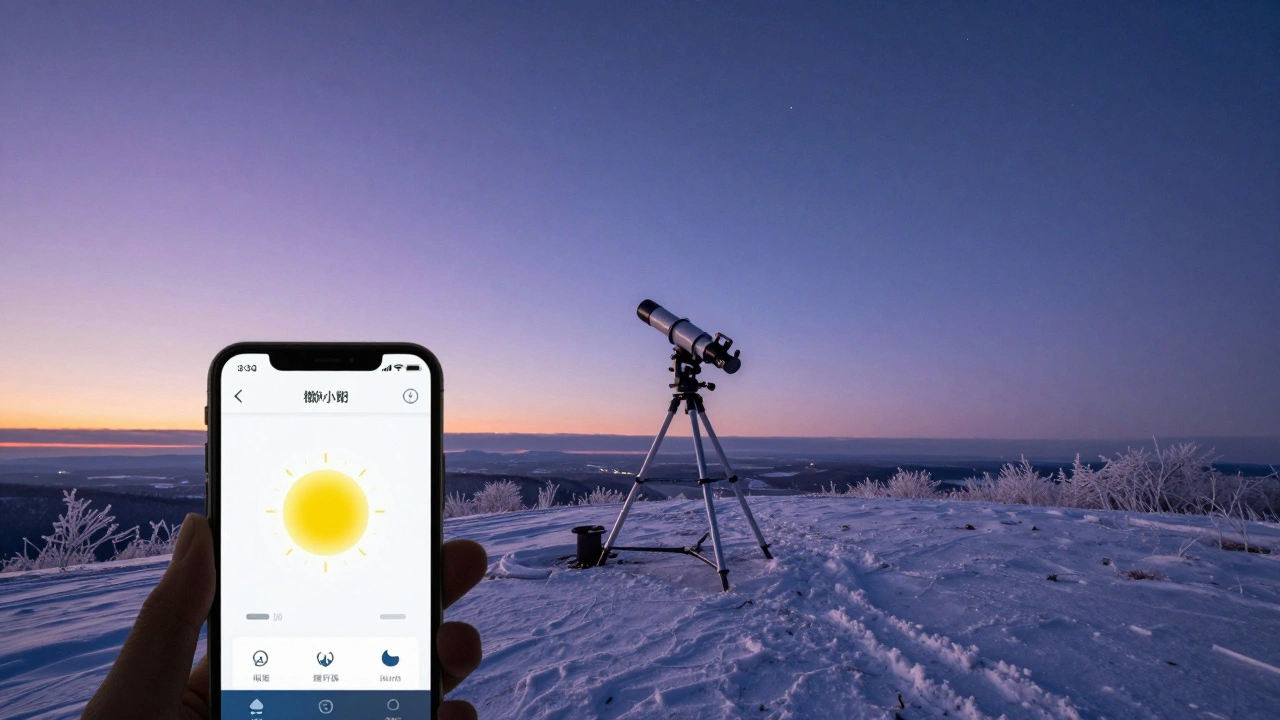
Even on a predicted good night, timing matters. The atmosphere changes throughout the evening. Generally, seeing improves as the night progresses. Why? Because the ground cools down. As the soil loses its daytime heat, the thermal turbulence decreases. This is called "settling."
For visual observers, this means waiting until at least 90 minutes after sunset before expecting peak performance. If you set up right at dusk, you might find the view shaky. Give the earth time to cool. In summer, this settling period can last longer because the ground holds more heat. In winter, the air settles quickly.
There is also the issue of dome seeing or tube currents. If you use a covered telescope, the tube itself absorbs heat during the day. When you open the cover, that warm air rises inside the tube, creating internal turbulence. To fix this, let your telescope acclimate to the outside temperature for at least an hour before observing. Place it in a shaded area if possible. This ensures that the only turbulence you’re fighting is from the atmosphere, not your own gear.
Adapting to Local Microclimates
General forecasts are helpful, but local geography dictates your actual experience. Where you live changes how the air behaves. If you are near a body of water, like the Pacific Ocean off the coast of Oregon, you deal with marine layers. These can bring transparency issues due to fog or mist, but once the fog burns off, the air can be remarkably steady because the water moderates temperature swings.
If you are in a valley, cold air drains downhill at night. This can create a layer of stable, cold air near the ground, improving seeing. However, it can also trap pollutants or humidity, hurting transparency. Hilltops often have better transparency because they are above this trapped layer, but they may have worse seeing due to stronger winds disrupting the air flow.
Understanding your local microclimate helps you refine your predictions. Keep a log. Note the date, the forecast, and what you actually saw. Over time, you’ll notice patterns. Maybe every time the wind comes from the west, the seeing is bad. Or maybe clear skies after a rainstorm always yield great views. This personal data is more valuable than any generic app.
What is the best time of year for astronomical seeing?
Winter months generally offer the best seeing. The colder ground temperatures reduce thermal turbulence, leading to steadier air. Summer nights are warmer, causing more heat to rise from the ground, which creates unstable air and poor seeing conditions.
Can I have good transparency and good seeing at the same time?
Yes, but it is rare. This usually happens under a strong, cold high-pressure system. The air is dry (good transparency) and stable (good seeing). These nights are prized by astronomers for both visual observing and astrophotography.
How does humidity affect astronomical observations?
High humidity reduces transparency by scattering light. It makes the sky appear brighter and washes out faint objects. Humidity doesn't directly affect seeing (steadiness), but high moisture often accompanies unstable weather fronts, which can lead to poorer seeing as well.
Why do stars twinkle more near the horizon?
Stars near the horizon shine through a thicker layer of atmosphere. This increases the amount of turbulence and refraction the light encounters, causing more twinkling and distortion. Objects higher in the sky pass through less air, resulting in steadier images.
Does light pollution affect seeing conditions?
Light pollution affects transparency and contrast, not seeing. It makes the sky background brighter, hiding faint objects. However, seeing is determined by atmospheric turbulence. You can have excellent seeing in a city, but you won't be able to see faint deep-sky objects due to the glare.