5 Apr 2026
- 0 Comments
The goal isn't to choose between safety and the stars, but to find a middle ground where both coexist. Whether you're organizing a Star Party or a guided nature walk, the way you handle light determines if your event is a success or a confusing mess of glare and shadows.
The Core Conflict of Nighttime Outreach
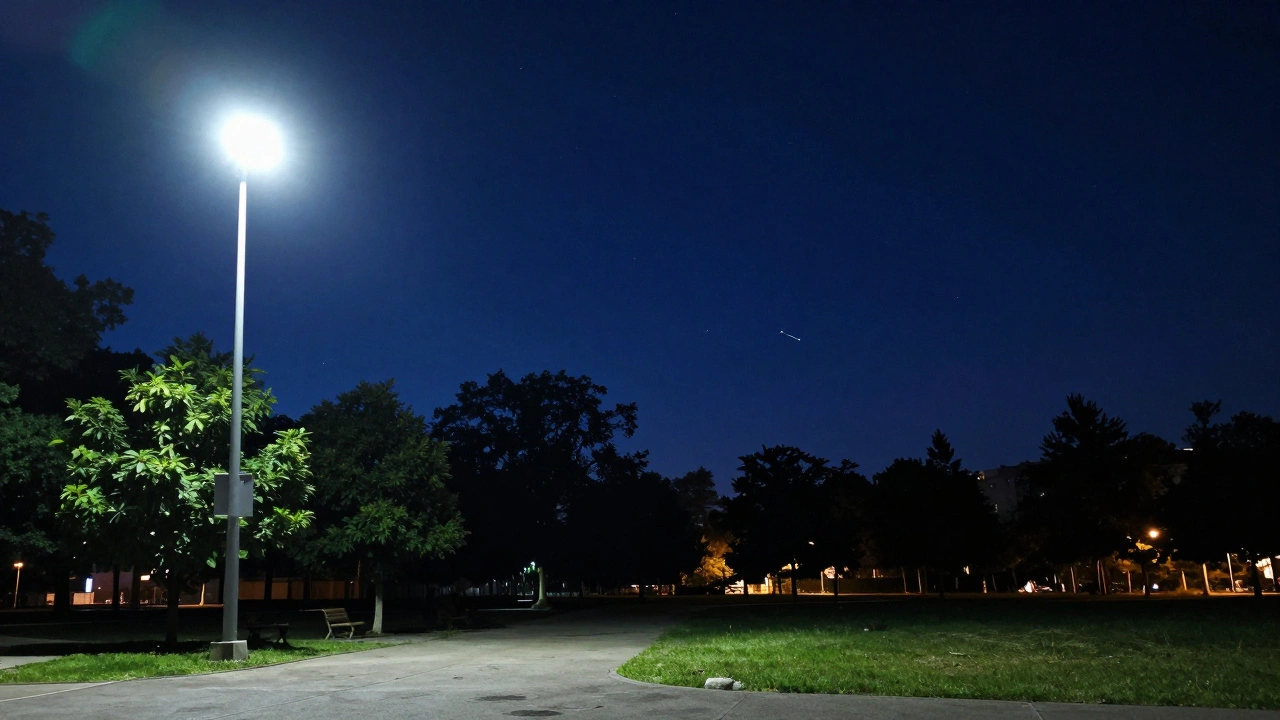
Most park managers view darkness as a risk to be eliminated. To them, Public Safety means high-intensity illumination across every walkway. However, astronomers and ecologists see this as Light Pollution-the excessive or poorly aimed use of artificial light that obscures the night sky. This creates a paradox: the more you light up a park for "safety," the less you protect the nocturnal environment and the astronomical experience.
When we talk about dark sky outreach, we are dealing with the psychological fear of the dark versus the physical reality of celestial visibility. People don't actually need 10,000 lumens to walk a paved path; they just need enough contrast to see the edge of the trail. The trick is shifting from "broad illumination" to "targeted guidance."
Designing Safe Access Without Killing the View
How do you move 50 people from a parking lot to a dark field without ruining their night vision? Once a human eye adjusts to the dark-a process that takes about 20 to 30 minutes-a single flash of a bright white phone screen or a powerful flashlight can reset that clock instantly. This is why the transition from the bright "safe zone" to the "dark zone" is the most critical part of your planning.
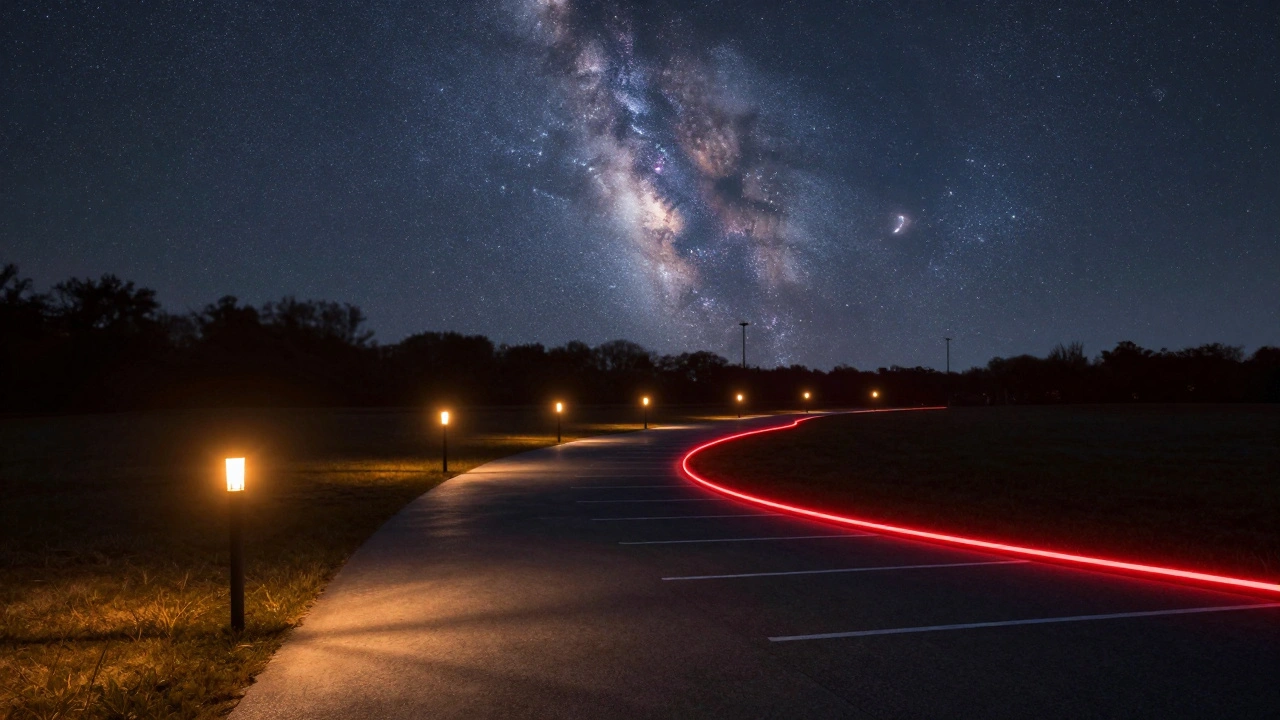
- The Red Light Transition: Red light has a longer wavelength and doesn't trigger the pupil's contraction as sharply as blue or white light. Using red-filtered torches or red LED strips along the primary path keeps the crowd moving without blinding the observers.
- Low-Bollard Lighting: Instead of overhead streetlamps, use low-level bollards that cast light downward. This keeps the glare out of the line of sight and prevents light from spilling into the atmosphere.
- The "Light Buffer" Zone: Establish a clear boundary. Parking lots should be well-lit for safety, but as guests move toward the viewing area, the lighting should progressively dim. This prepares their eyes for the darkness.
Think of it like a dimmer switch. If you jump from 100% light to 0%, people feel anxious. If you step them down from 100% to 50% to 10%, they feel guided and secure.
Managing the Nocturnal Ecology
It's not just about the stars. Parks are living ecosystems. Many animals, from moths to owls, rely on the cover of darkness to hunt, mate, and migrate. When we bring high-powered lights into a park for outreach, we aren't just bothering the humans; we're disrupting the Nocturnal Ecology.
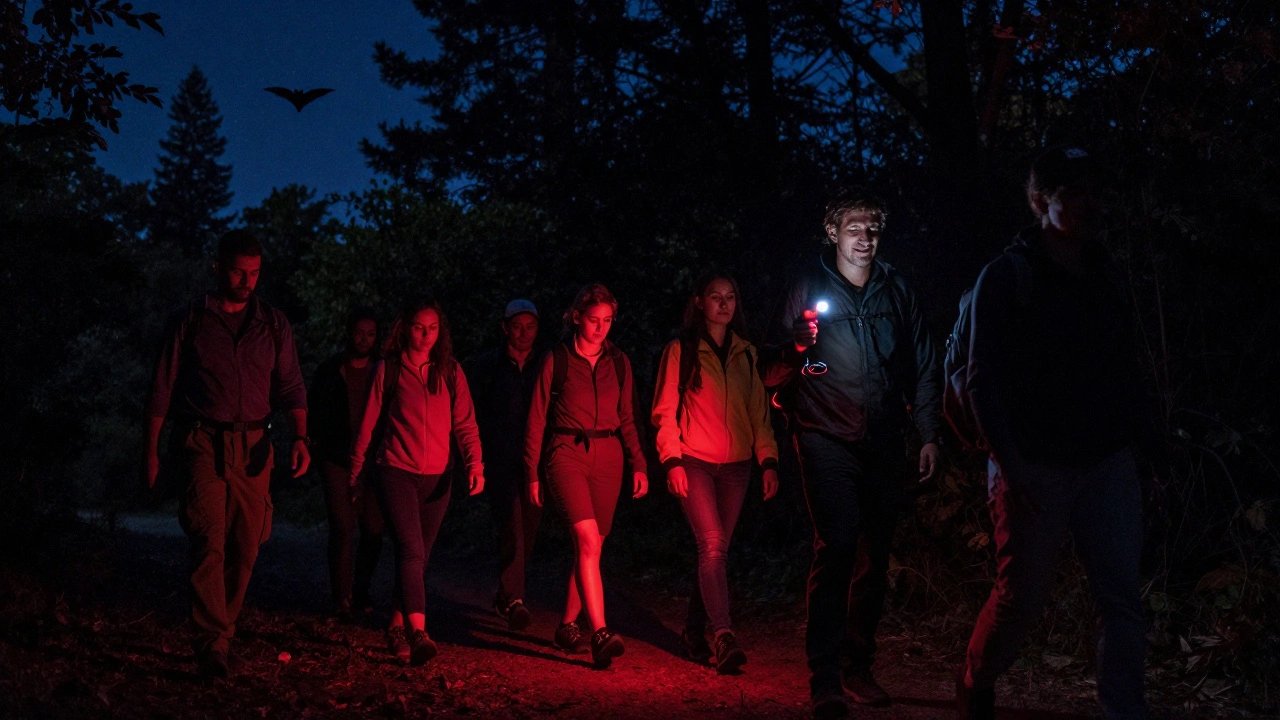
For instance, certain species of bats are hesitant to emerge if there's a strong white light presence. If your outreach event includes a nature walk, using narrow-beam flashlights that you only turn on when necessary is far better than leaving a floodlight on at the trailhead. We need to respect the "circadian rhythms" of the local wildlife. A park that is too bright becomes a biological desert at night.
| Light Type | Effect on Night Vision | Impact on Wildlife | Best Use Case |
|---|---|---|---|
| Cool White LED | High Disruption | High Stress | Parking lots and emergency exits |
| Warm Yellow/Amber | Medium Disruption | Medium Stress | Main walkways, short distances |
| Deep Red LED | Low Disruption | Low Stress | Viewing areas and guide paths |
| Focused Beam | Localized Disruption | Low (if used sparingly) | Checking footprints or hazards |
Practical Logistics for Event Organizers
Planning the actual flow of people requires a bit of tactical thinking. You can't just hope people find the telescope; you have to lead them there. One common mistake is relying on the guests to bring their own lights. Let me tell you, if you let 50 people bring their own high-lumen camping lanterns, your event will feel like a football stadium.
Instead, implement these specific rules of thumb:
- Establish a "Darkness Protocol": At the start of the event, explicitly ask everyone to switch their phone flashlights to a red filter or keep them off. Explain *why* it matters-people are much more likely to comply if they understand the 20-minute night-vision reset.
- Use Physical Markers: Instead of lights, use reflective tape on stakes or glow-in-the-dark paint on the edges of paths. This provides a visual guide without adding any new light pollution to the sky.
- Strategic Staffing: Place volunteers at every major turn in the path. A human guide with a dim red light is safer and more welcoming than a bright, static lamp.
When you're choosing a location within the park, look for "natural shields." A grove of trees or a small hill can block the light from a nearby road or city center, creating a pocket of darkness that acts as a natural sanctuary for your telescopes.
Dealing with the "Fear of the Dark"
We have to be honest: some people are genuinely afraid of the dark. This is where the "access" part of the balance comes in. If the path feels too ominous, you'll lose a large portion of your potential audience, especially families with children.
The solution isn't more light, but more *certainty*. Certainty comes from clear signage, frequent check-ins from staff, and a well-defined path. When people know exactly where they are and where they are going, the need for bright illumination drops significantly. You aren't fighting the darkness; you're managing the perception of risk.
Using Dark Sky Parks standards-like those promoted by the International Dark-Sky Association-can help you justify your lighting choices to park administration. When you can point to a global standard that says "downward-facing, low-Kelvin lighting is the industry benchmark," you move from being an "annoying astronomer" to a professional event coordinator.
Why is red light better than white light for astronomy events?
Red light has a longer wavelength, which means it doesn't trigger the contraction of your pupils as strongly as white or blue light. This allows you to see your equipment or the path while keeping your eyes adapted to the darkness, meaning you can still see faint stars and nebulae without waiting 20 minutes for your vision to recover.
How do I convince park management to reduce lighting for my event?
Focus on a "Risk Mitigation Plan." Instead of just asking to turn off lights, propose an alternative: "We will turn off the overhead lamps but place three volunteers with red lanterns at key junctions and use reflective tape on the walkway." This shows that you are prioritizing safety while achieving your goal of darkness.
Do LED lights affect nocturnal animals differently than old bulbs?
Yes. Many modern LEDs emit a high amount of blue light, which is particularly disruptive to the circadian rhythms of insects and birds. This is why "warm" LEDs (with a lower Kelvin rating) or amber lights are preferred in nature preserves; they are less likely to attract bugs in massive numbers or confuse migrating birds.
What is the best way to handle a large group moving through a dark park?
Use the "follow-the-leader" method with a designated guide. The guide uses a low-power red light to mark the way, and the group stays close together. This prevents guests from wandering off-path and eliminates the need to light the entire park area.
Can I use phone flashlights if I just put a red cloth over them?
It works in a pinch, but a red cloth often lets through some white light or doesn't block the blue spectrum effectively. Dedicated red LED flashlights or professional red filters are much more effective at preserving night vision.
Next Steps for Your Outreach Plan
If you're just starting to plan, begin with a "light audit." Visit the park at the exact time your event will take place. Take a photo of the sky and note where the glare is coming from. This map will tell you exactly where to place your viewing stations and where you need to request a lighting change from the city.
For those dealing with very cautious park boards, suggest a pilot program. Try one "Dark Sky Night" per month. This allows the administration to see that the park remains safe even with reduced lighting, and it gives you a chance to refine your red-light transition system before scaling up to a larger event.