Tag: atmospheric turbulence
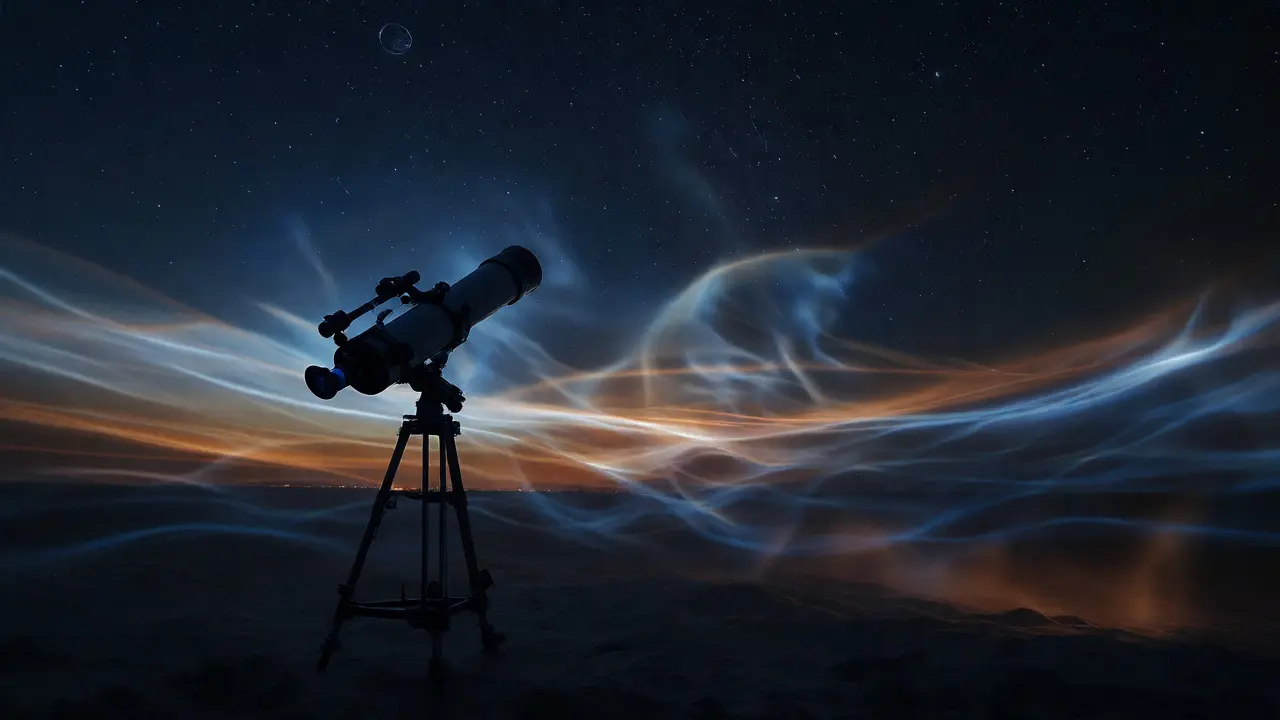
Altitude of Target: Planning Observations Above the Murk Layer
Learn why target altitude matters for astronomy. Discover how the 'murk layer' of the atmosphere blurs images and how to plan observations for sharper, clearer views.
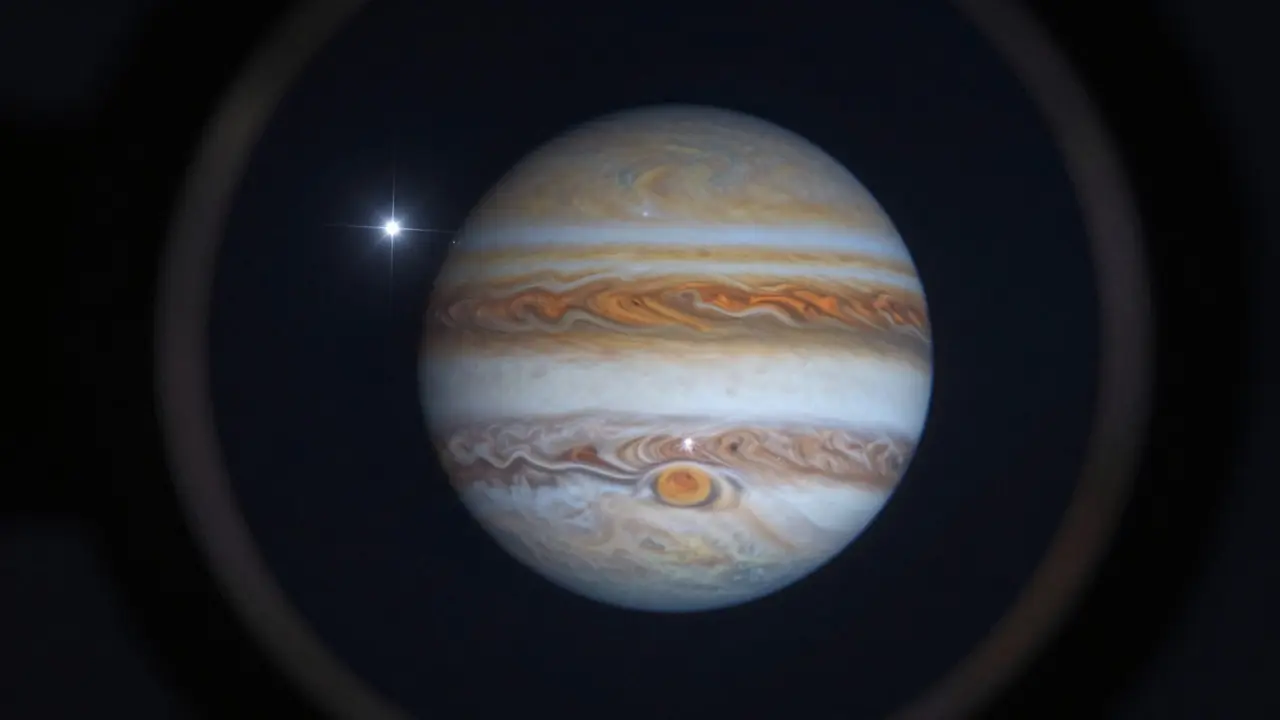
Seasonal Changes in Seeing: When Conditions Improve or Worsen
Discover how seasonal shifts in temperature, wind, and humidity impact astronomical seeing. Learn the best times for planetary vs. deep-sky viewing and practical tips to optimize your observing sessions throughout the year.
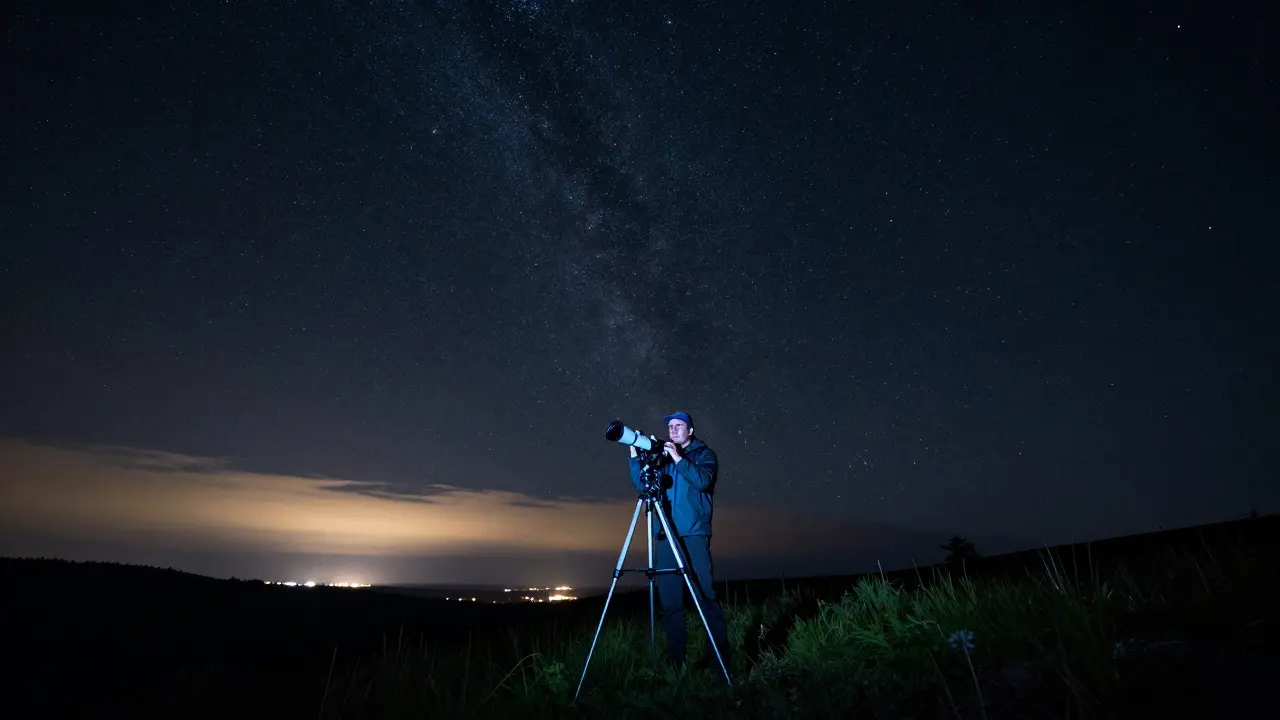
Transparency vs Seeing: Why Clear Skies Don't Always Mean Good Viewing
Discover why clear skies don't guarantee sharp views. Learn the difference between transparency and seeing, and how to predict optimal observing conditions for astronomy.
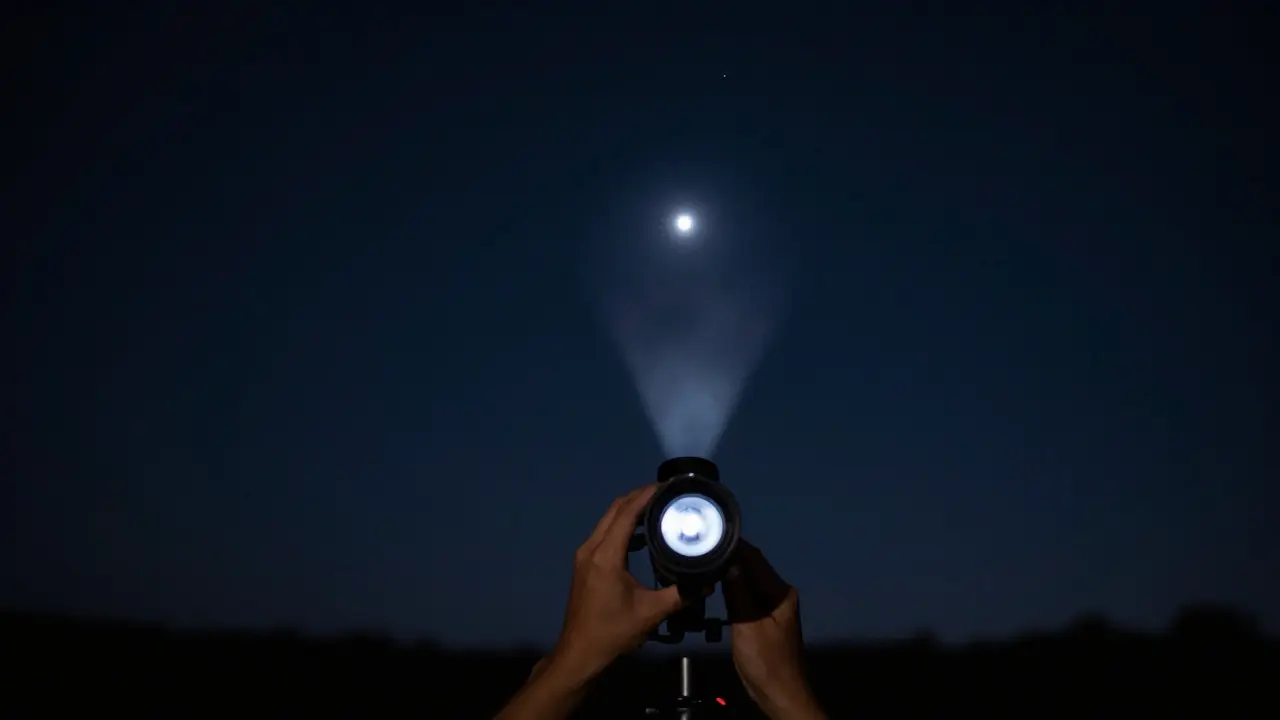
Collimation Under Poor Seeing: Practical Strategies for Wobbly Star Images
Struggling with wobbly star images? Learn how to distinguish between atmospheric seeing and true collimation errors. Discover practical techniques for aligning your telescope when the sky isn't stable.
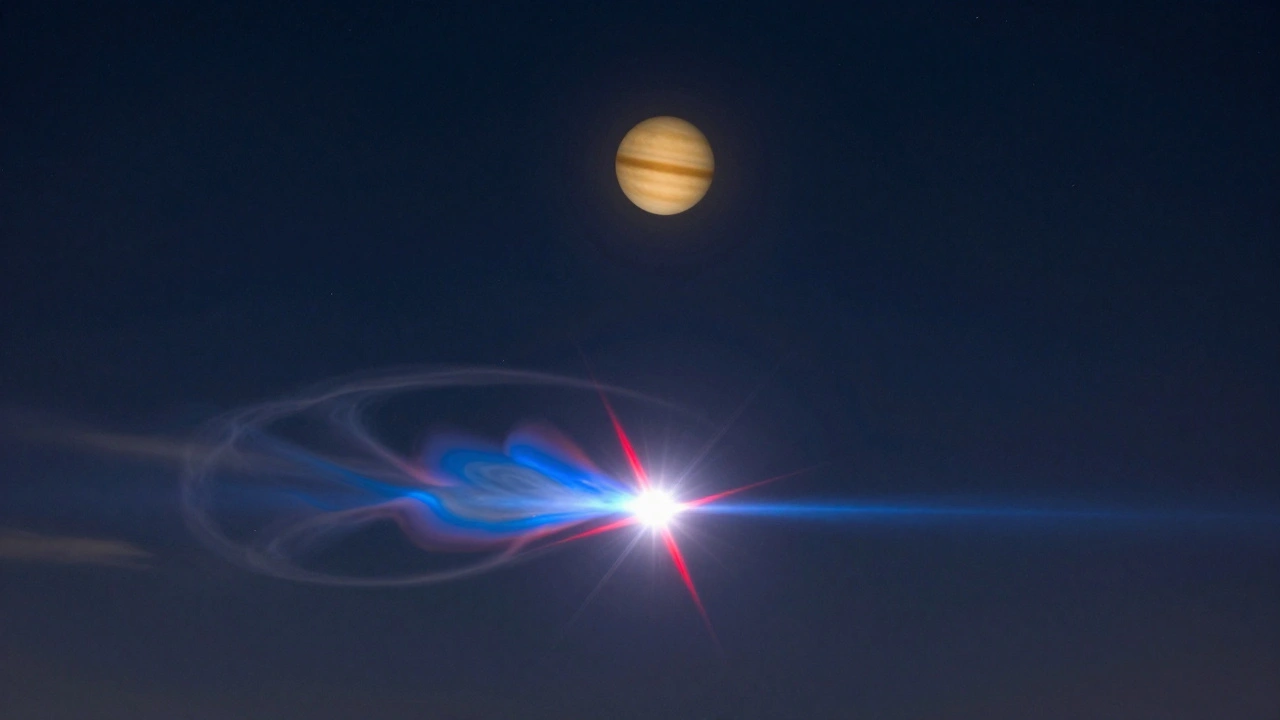
Scintillation and Twinkling: Why Stars Twinkle More Than Planets
Stars twinkle because their light passes through turbulent air, bending randomly. Planets don't twinkle because they appear as small disks, not points-light from different parts cancels out the flicker. This is atmospheric scintillation in action.