17 Aug 2026
- 0 Comments
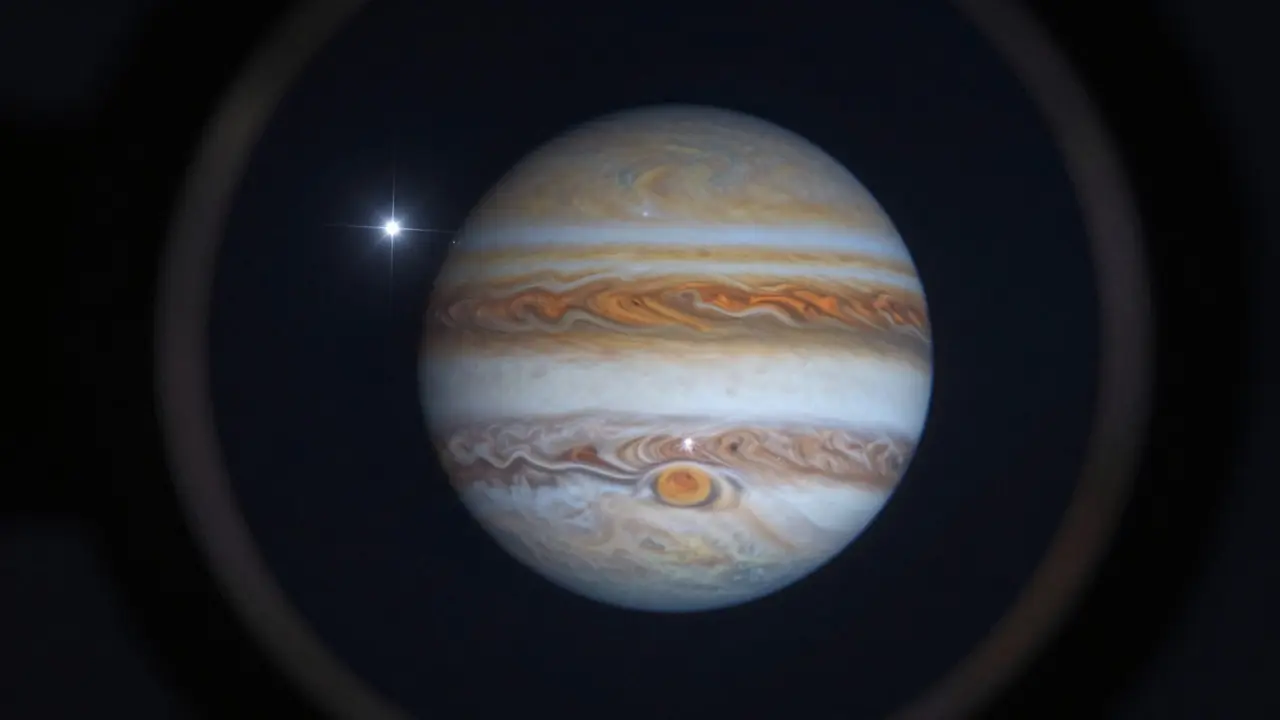
There is a specific frustration that hits every visual astronomer during the summer months. You set up your telescope, align it on a bright star, and watch the image dance and blur as if the atmosphere is boiling. This phenomenon, known as seeing is the blurring and distortion of astronomical images caused by turbulent air layers in Earth's atmosphere. While we often blame bad weather for poor views, the quality of seeing changes dramatically with the seasons, driven by temperature gradients, wind patterns, and humidity levels. Understanding these seasonal shifts allows you to pick the right targets for the right time of year, turning what feels like random bad luck into predictable planning.
Why Summer Nights Feel So Unstable
In the Northern Hemisphere, late spring and early summer (May through July) are typically the worst times for high-magnification planetary observation. The ground retains heat from the long days, creating strong thermal convection currents that rise into the night sky. These rising columns of warm air mix with cooler upper layers, causing rapid fluctuations in air density. Your telescope lens captures these shifting densities, resulting in that characteristic "boiling" effect where planets look fuzzy and stars twinkle intensely.
This period also coincides with the peak of monsoon activity in many regions, including the Pacific Northwest. In Portland, Oregon, this means higher humidity and increased cloud cover. Even when the sky is clear, the moisture content in the lower atmosphere can degrade contrast. If you are trying to resolve fine details on Jupiter or Saturn during June, you are fighting against both thermal instability and humid air. The best strategy during these months is to observe low-power wide-field objects or wait for the rare nights when the wind dies down completely after sunset.
The Fall Window: When Clarity Peaks
As autumn approaches, specifically from September through November, observing conditions often improve significantly. The days get shorter, meaning the ground has less time to absorb solar energy. Consequently, the temperature difference between the ground and the upper atmosphere shrinks. With less heat radiating upward, those turbulent convection cells weaken. The air becomes more stable, leading to steadier images and higher effective magnifications.
This stability is why many astronomers consider fall the prime season for planetary viewing. The sky cools faster, reducing dew point issues earlier in the night. For visual observers, this translates to longer windows of opportunity before humidity ruins your optics. Additionally, the major planets-Jupiter, Saturn, and Mars-are often well-placed in the evening sky during this period. If you find yourself struggling with blurry images in August, hold out until October. The shift in atmospheric dynamics alone can make a noticeable difference in how sharp those planetary bands appear.
Winter’s Cold Air Advantage and Its Pitfalls
Winter brings the coldest air of the year, which is inherently denser and more stable than warm air. From a physics standpoint, cold air supports less turbulence because there is less thermal energy driving convection. This makes winter nights, particularly from December through February, excellent for deep-sky observing. The dark skies are at their longest, and the Milky Way core is visible in the southern hemisphere while the northern sky offers rich nebulae and clusters.
However, cold air comes with its own set of challenges. The primary issue is the dew point. As temperatures drop, the relative humidity rises quickly once the sun sets. If the temperature falls below the dew point, moisture condenses on your telescope tubes, lenses, and eyepieces. This requires frequent wiping or the use of dew heaters, which adds complexity to your setup. Furthermore, the cold can affect your equipment; lubricants stiffen, batteries drain faster, and even your fingers become clumsy. Despite these inconveniences, the sheer stability of winter air often yields some of the clearest views of distant galaxies and star clusters all year.
Spring: The Transition Period
Spring acts as a bridge between the stable winter and the turbulent summer. Early spring (March) often retains some of the winter stability, making it a good time for high-magnification work. However, as April progresses, the increasing daylight hours begin to reheat the ground. By late April and May, the atmospheric conditions start to deteriorate, mirroring the summer trends. Spring is also the season of significant meteor showers, such as the Lyrids in April and the Eta Aquariids in May. While seeing may not be at its peak, the transient nature of meteors means that minor atmospheric distortion doesn't ruin the experience. For visual observers, spring is ideal for double stars and variable stars, where slight blurring is less detrimental than it would be for planetary surface features.
How Wind and Humidity Interact with Seasons
It is easy to focus solely on temperature, but wind and humidity play critical roles in determining actual seeing conditions. High winds shear the atmospheric layers, mixing them and increasing turbulence. A calm night is always better for seeing than a windy one, regardless of the season. However, certain seasons are naturally windier. Coastal areas, for example, often experience sea breezes that blow inland at night, disrupting the stable air layer near the ground. Inland locations may benefit from mountain shadows that block prevailing winds, creating pockets of exceptional stability even in otherwise turbulent seasons.
Humidity affects transparency more than resolution. High humidity scatters light, reducing contrast and making faint stars harder to see. This is why summer nights, despite their turbulence, can still offer decent views of bright planets if the air is dry. Conversely, a crisp, dry winter night will provide superior transparency, allowing you to see fainter details in nebulae. The combination of low wind, low humidity, and cool temperatures creates the perfect storm for astronomical seeing. Tracking local weather data, specifically looking at pressure systems and wind speed forecasts, helps you predict these optimal nights.
Practical Strategies for Seasonal Observing
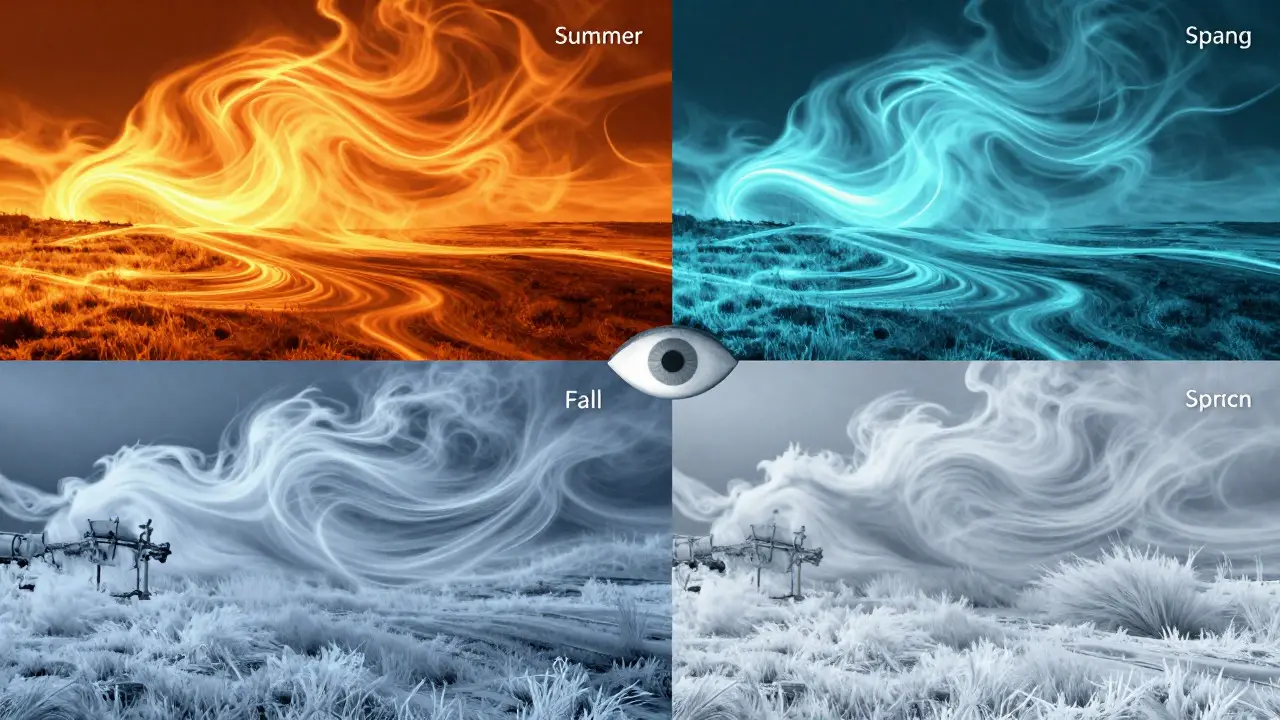
To make the most of seasonal changes, adjust your target list accordingly. Use the following guidelines to plan your sessions:
- Summer (June-August): Focus on low-magnification wide-field objects like the Orion Nebula (if visible) or bright star clusters. Avoid high-power planetary views unless the wind is dead calm. Consider using an O-III filter to enhance contrast in nebulae, which helps counteract atmospheric haze.
- Fall (September-November): Prioritize planetary observation. This is your window for resolving cloud belts on Jupiter, the Cassini Division on Saturn, and polar caps on Mars. Use higher magnifications cautiously, starting low and zooming in only when the seeing steadies.
- Winter (December-February): Target deep-sky objects. The stable air allows for detailed views of galaxies and globular clusters. Keep your equipment covered to prevent frost buildup, and use dew straps or heaters proactively.
- Spring (March-May): Balance your session with double stars and variable stars. These objects are less sensitive to seeing variations. Also, take advantage of the meteor showers for casual observing.
Monitoring Local Conditions for Better Predictions
Global weather forecasts give you a general idea, but local microclimates determine your actual seeing. Many observatories and serious amateur astronomers use specialized tools to monitor atmospheric stability. One common metric is the "Fried parameter" (r0), which quantifies the size of the coherence length of the atmosphere. A larger r0 value indicates better seeing. While you don't need to calculate this yourself, online resources often provide estimated seeing conditions based on historical data and current weather patterns.
In addition to digital tools, pay attention to natural indicators. On a clear night, look at the horizon. If the stars near the horizon are twinkling violently, the lower atmosphere is turbulent. As you look higher in the sky, the twinkling should decrease. If the entire sky is shimmering, expect poor seeing. Conversely, if the stars remain relatively steady even near the horizon, you are in for a great night. Learning to read these cues takes practice, but it allows you to adapt your observing plan in real-time. If the seeing degrades halfway through the night, switch to lower power or different targets rather than forcing a high-magnification view that will frustrate you.
| Season | Air Stability | Humidity Level | Best Targets | Key Challenges |
|---|---|---|---|---|
| Summer | Poor (High Turbulence) | High | Wide-field, Meteor Showers | Boiling images, Haze |
| Fall | Good (Stable) | Moderate | Planets, High-Mag Work | Shorter nights |
| Winter | Excellent (Very Stable) | Low (but high dew risk) | Deep-Sky, Galaxies | Cold, Frost, Battery Drain |
| Spring | Moderate (Variable) | Moderate | Double Stars, Variable Stars | Transition turbulence |
Adapting Equipment for Seasonal Shifts
Your gear needs to adapt just as much as your targets do. In summer, ensure your optical tube assembly is well-shaded from residual heat sources. Using a fan to cool the inside of the tube can help match the internal temperature to the external air, reducing internal turbulence. In winter, insulation is key. Wrapping the tube in blankets slows down the cooling process, preventing the formation of internal convection currents that mimic bad seeing. Dew control is non-negotiable in cold months; invest in reliable dew heaters or strips to keep your optics clear. Finally, check your battery performance. Cold temperatures reduce battery capacity, so bring spares or use a power bank to ensure your go-to mounts and dew heaters stay powered throughout the session.
What is the best time of year for planetary observation?
Fall, specifically September through November, is generally considered the best time for planetary observation in the Northern Hemisphere. The air is stable due to reduced thermal convection, and the major planets are often well-placed in the evening sky. Winter is also good for stability but can be hindered by frost and short daylight hours for setup.
Why does summer seeing seem so bad?
Summer seeing is poor because the ground absorbs more heat during longer days, creating strong thermal convection currents at night. These rising columns of warm air mix with cooler layers, causing rapid density changes that blur images. Higher humidity levels in summer also reduce contrast and transparency.
Does humidity affect seeing or just transparency?
Humidity primarily affects transparency by scattering light, which reduces contrast and makes faint objects harder to see. It can slightly contribute to turbulence if it leads to condensation or changes in air density, but its main impact is on the clarity and brightness of the view rather than the sharpness of the image.
How can I tell if the seeing is good before setting up my telescope?
Look at the stars near the horizon. If they are twinkling violently, the lower atmosphere is turbulent, indicating poor seeing. If the stars remain relatively steady, especially as you look higher in the sky, the seeing is likely good. Checking local wind forecasts for calm conditions also helps predict better nights.
What equipment adjustments are needed for winter observing?
For winter observing, use insulation on your telescope tube to slow cooling and prevent internal turbulence. Bring dew heaters or strips to prevent condensation on optics. Ensure you have spare batteries, as cold temperatures drain power faster. Dress warmly to maintain comfort during long sessions.