8 Sep 2026
- 0 Comments
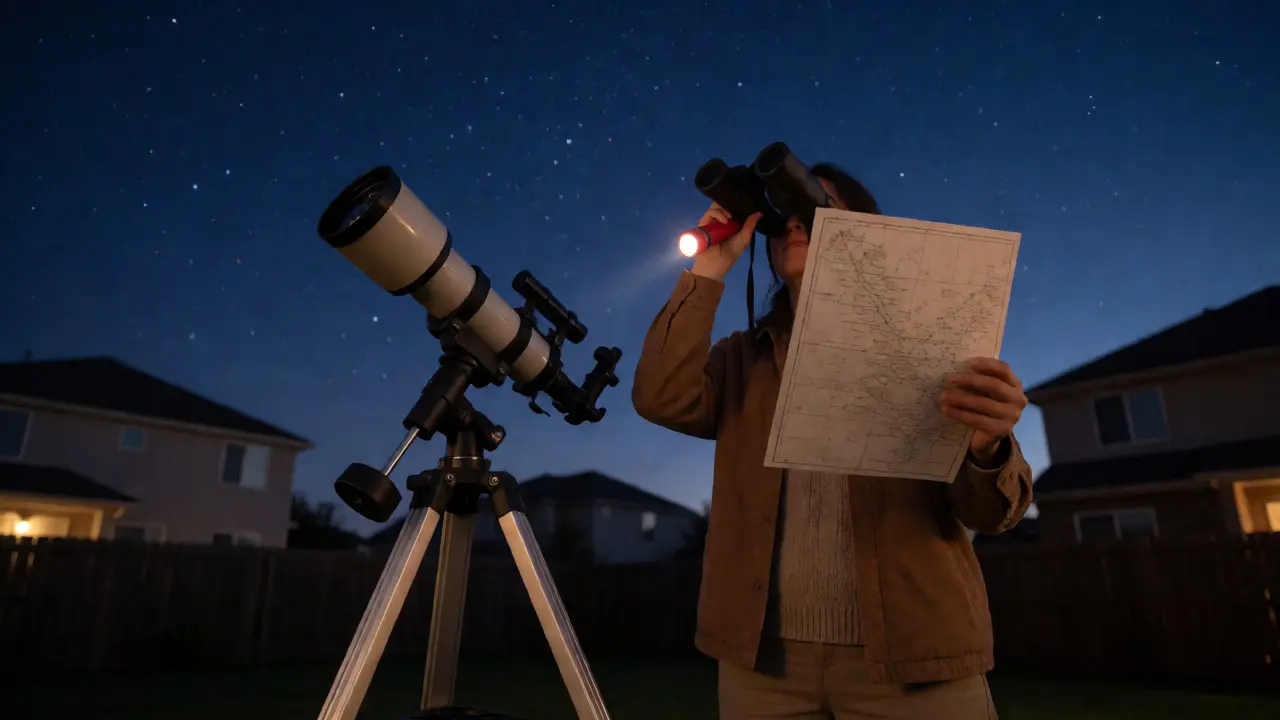
Did you know that the longest continuous record of a specific astronomical phenomenon isn't kept by a supercomputer in Switzerland or a satellite orbiting Earth? It’s kept by people like you and me, often from backyard telescopes or even just binoculars. The American Association of Variable Star Observers (AAVSO) has been collecting data since 1911. That is over a century of consistent observations that professional astronomers rely on today. If you’ve ever looked up at a star and wondered if it was flickering or changing brightness, you have everything you need to start contributing.
This isn’t about taking pretty pictures for Instagram. This is about generating hard data. When you submit an observation to the AAVSO, you aren’t just logging a hobby; you’re adding a data point to a global database that helps scientists understand how stars live, change, and die. Whether you are a seasoned amateur with a CCD camera or a beginner with a pair of 7x50 binoculars, your contribution matters. Here is how you can get involved and why your backyard sky-watching is scientifically significant.
What Exactly Is a Variable Star?
A variable star is simply a star whose brightness changes as seen from Earth. This might sound counterintuitive because most stars appear steady to the naked eye. But many stars pulse, eclipse each other, or flare up unexpectedly. There are two main types you’ll encounter:
- Intrinsic Variables: These stars physically change. They expand and contract (like Cepheids), erupt in novae, or rotate rapidly causing spots to move across their surface.
- Extrinsic Variables: The star itself doesn’t change, but something blocks our view. Eclipsing binaries are the classic example-two stars orbiting each other where one passes in front of the other, dimming the light temporarily.
The reason professionals care so much about these changes is that they reveal hidden physics. For instance, the period-luminosity relationship of Cepheid variables allows astronomers to measure distances across the universe. Without regular monitoring, we’d miss critical events like outbursts in cataclysmic variables or long-term trends in red giants.
Why Your Data Matters More Than You Think
You might ask, "Why do I need to observe when we have space telescopes like TESS or Kepler?" The answer is continuity and coverage. Space telescopes are expensive and often look at small patches of sky for short periods. They also can’t cover the entire sky simultaneously. Ground-based observers fill the gaps.
Consider this scenario: A professional astronomer notices a sudden brightening in a distant galaxy. They need to know exactly when it started and how fast it faded. If there’s no recent data from ground observers, they might miss the peak entirely. Citizen scientists provide the "cadence"-the frequency of observations-that keeps these stories complete. In 2023 alone, AAVSO members submitted over 1 million individual magnitude estimates. That’s not just noise; it’s a structured dataset used in peer-reviewed papers.
Your observations help detect new variable stars, confirm periods of known ones, and track unusual behavior. Sometimes, amateurs discover things pros missed because they were looking at different times or using different methods. It’s a genuine partnership.
Getting Started: Visual vs. Photoelectric
There are two primary ways to contribute, and both are valuable. You don’t need to choose forever; many observers start with one and move to the other.
| Method | Equipment Needed | Skill Level | Data Precision |
|---|---|---|---|
| Visual Estimation | Naked eye, Binoculars, Small Telescope | Beginner-friendly | ~0.1-0.2 magnitudes |
| Photoelectric/CCD | Telescope, Mount, Camera, Software | Intermediate/Advanced | ~0.01 magnitudes |
Visual Estimation is the easiest entry point. You compare the target star’s brightness to nearby comparison stars of known magnitude. You estimate where it falls between them. It sounds subjective, but standardized methods make it surprisingly accurate. Many famous discoveries, including the nova in Hercules in 1934, were first spotted visually.
Photometric Observations use digital cameras and software to measure light intensity precisely. This requires more setup-collimating your telescope, calibrating your camera, and processing images-but yields higher precision. If you already enjoy astrophotography, this is a natural next step.
Step-by-Step Guide to Your First Observation
Ready to try? Here’s a simple workflow for a visual observer. Don’t worry about perfection; consistency is key.
- Pick a Target: Start with a well-known variable like Algol (Beta Persei) or Mira (Omicron Ceti). Use the AAVSO website or app to find what’s visible tonight from Portland (or your location).
- Identify Comparison Stars: Every variable star has nearby "comparison stars" with fixed, known magnitudes. The AAVSO provides charts showing these stars labeled with numbers and magnitudes (e.g., 3.4, 3.6).
- Compare Brightness: Look at the variable star and the nearest comparison stars. Is it brighter than the fainter one? Dimmer than the brighter one? Estimate its position between them.
- Estimate Magnitude: If the variable looks halfway between a 3.4 and a 3.6 star, estimate it as 3.5. Be honest-if it’s closer to 3.4, say 3.45.
- Log the Data: Record the date, time (in Universal Time), instrument used, and your estimate. Submit this via the AAVSO web interface or mobile app within 24 hours.
Pro tip: Observe at the same time each night if possible. Consistency helps identify patterns faster.
Tools and Resources You Need
You don’t need a $5,000 rig to start. Here’s what actually works:
- Charts: Download free variable star charts from the AAVSO website. They show field layout and comparison stars.
- Red Light: Preserve your night vision. Use a red flashlight to read charts without blinding yourself.
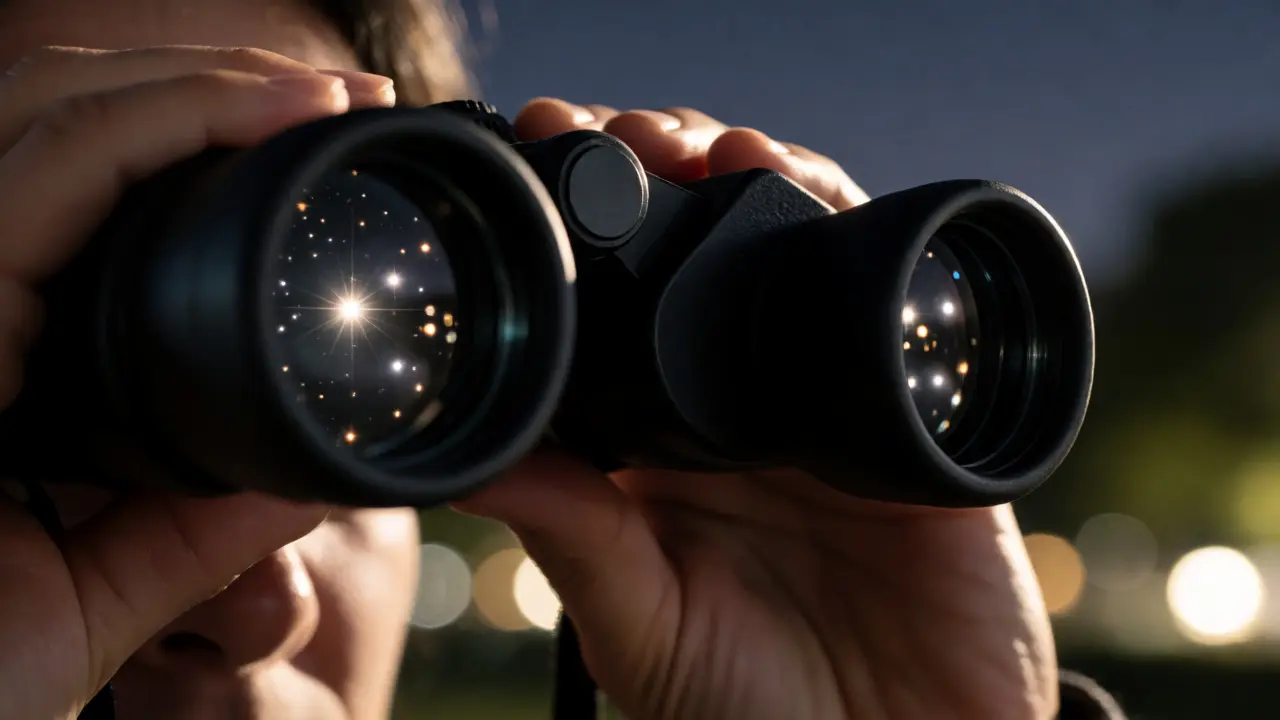
- Binoculars: A good pair of 10x50 binoculars reveals thousands of stars and makes estimating easier than naked eye alone.
- Software/Apps: The AAVSO Mobile App lets you input data on the go. For PC users, tools like VStar help visualize your own data.
If you want to dive deeper into photometry, consider learning software like APASS or MegaMAG. These automate the process of comparing pixel values in your images against reference catalogs.
Common Pitfalls and How to Avoid Them
Newcomers often make a few mistakes that skew data. Here’s how to sidestep them:
- Ignoring Air Mass: Stars near the horizon look dimmer due to atmospheric extinction. Note the altitude of your target. If it’s low, your estimate might be biased.
- Using Wrong Comparison Stars: Always use the designated comparison stars on the chart. Randomly picking a nearby star won’t work unless you know its exact magnitude.
- Over-Estimating Precision: If you’re using binoculars, don’t report 3.456. Report 3.5. False precision confuses the data analysis.
- Skipping Bad Nights: Cloudy or hazy nights are still useful. Log "cloudy" or "poor seeing." Knowing when *not* to observe is part of the dataset.
Beyond the Basics: Advanced Contributions
Once you’re comfortable, you can tackle harder targets. Try monitoring eclipsing binaries during their minimum brightness. Or track long-period variables like R Leonis over months. Some observers specialize in supernovae searches, scanning galaxies for new points of light.
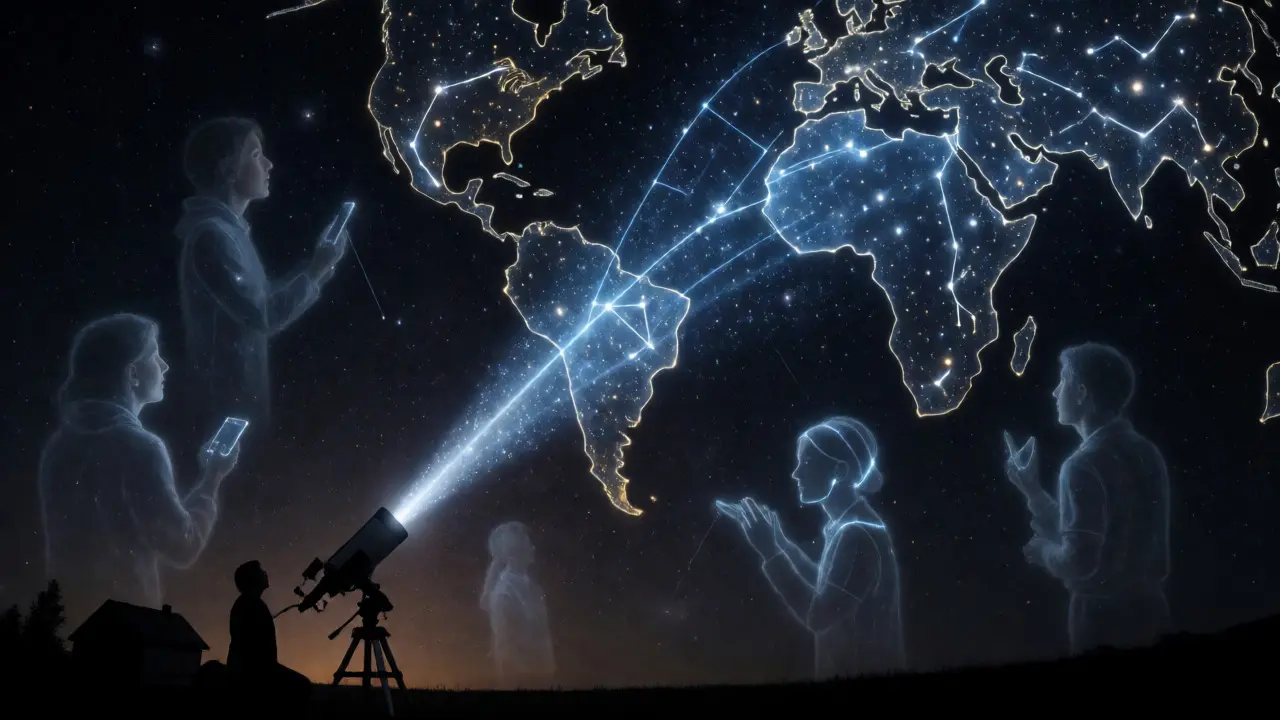
Collaboration is another level. Join local AAVSO sections or online forums. Sharing tips and reviewing each other’s charts improves accuracy. You might even co-author a paper if your data proves critical to a discovery. Yes, amateurs have done this before.
Frequently Asked Questions
Do I need a telescope to join AAVSO?
No, you do not. Many successful observations are made with the naked eye or binoculars. The key is consistent estimation against known comparison stars. Telescopes allow you to see fainter stars, but binoculars are excellent for beginners and intermediate observers.
How accurate are visual estimates compared to professional equipment?
Skilled visual observers can achieve accuracies within 0.1 to 0.2 magnitudes. While professional photoelectric systems reach 0.01 magnitudes, visual data is invaluable for its wide coverage and long historical baseline. Professionals often cross-check automated data with visual logs to catch anomalies.
Is there a cost to participate?
Joining the AAVSO involves a modest annual membership fee, which supports the organization’s operations and database maintenance. However, accessing basic charts and submitting data is often free or included with membership. Check their current pricing structure, but it’s generally very affordable for enthusiasts.
Can I really make a scientific difference?
Absolutely. Recent studies on exoplanet transits and stellar flares have relied heavily on AAVSO data. Amateur observations have confirmed the existence of new variable stars and helped refine orbital parameters for binary systems. Your single data point can be the missing piece in a larger puzzle.
What software should I learn for photometry?
For DSLR or mirrorless cameras, MegaMAG is user-friendly and popular among amateurs. For CCD cameras, MaxIm DL or AstroImageJ are standard choices. Start with the method that matches your existing gear. You don’t need to master all of them at once.
Next Steps: Start Tonight
Don’t wait for perfect weather or new equipment. Go outside tonight. Pick a bright variable star like Delta Cephei. Find its chart on the AAVSO site. Make your estimate. Submit it. You’ve just contributed to a century-long scientific endeavor. The stars are changing, and someone needs to watch them. Why not let it be you?