14 Feb 2026
- 0 Comments
Running a citizen science observing program isn’t just about collecting data. It’s about keeping people excited, coming back, and feeling like their effort actually matters. Too many programs start with big dreams-thousands of volunteers tracking birds, measuring rainfall, or recording star sightings-but fade out within a year. Why? They focus too much on rigor and forget the fun. Or they lean too hard on fun and end up with messy, unusable data. The secret isn’t choosing one over the other. It’s weaving them together.
Start with a clear, simple question
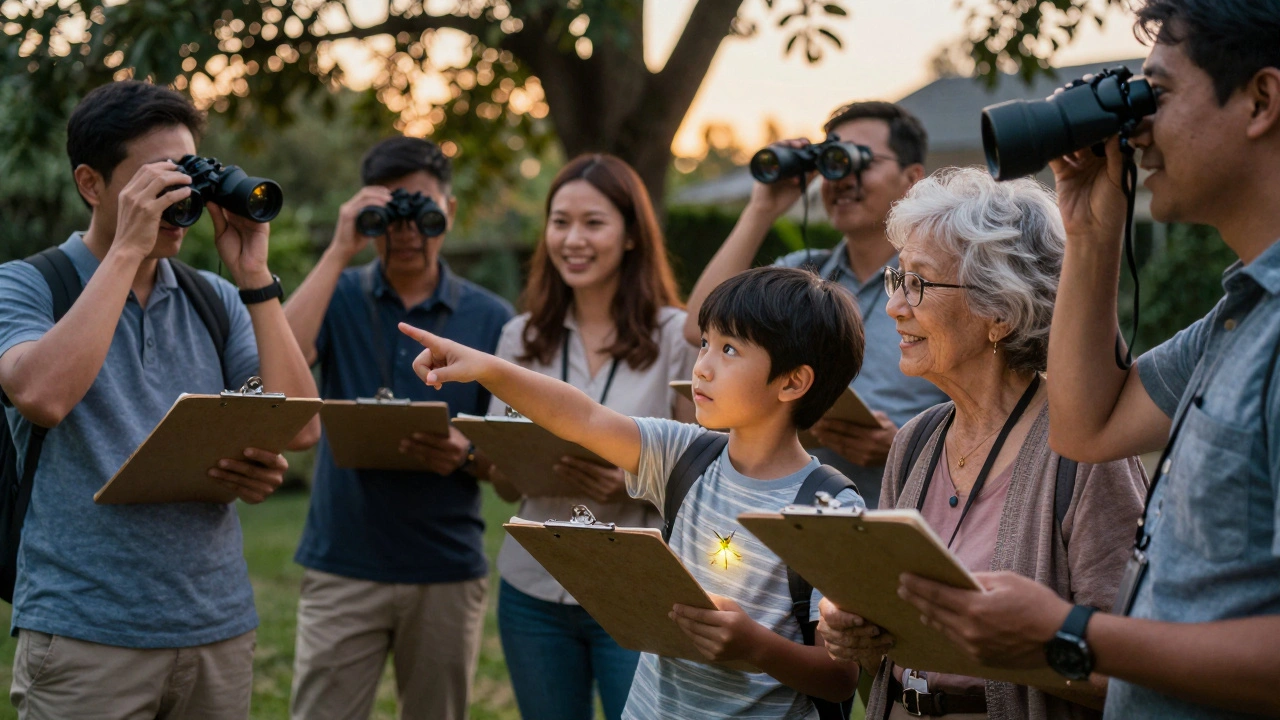
Every successful program begins with one question that anyone can understand. Not: "What is the correlation between atmospheric particulate matter and nocturnal insect activity?" That’s jargon. Instead: "Are fireflies disappearing from your backyard?" or "Has the first frost come earlier this year than last?"
Projects like the North American Bird Phenology Program succeeded because volunteers didn’t need a biology degree. They just had to note when they saw a bird for the first time each season. Simple. Visual. Immediate. The science came later, when researchers analyzed thousands of those notes. Your program needs that same clarity. If a 12-year-old can explain what you’re asking them to do, you’re on the right track.
Design for participation, not perfection
People aren’t lab technicians. They’re parents, teachers, retirees, students. They’ll forget to log data one day. They’ll miscount. They’ll write "blue jay" instead of "blue jay (male)." That’s okay. What’s not okay is making them feel stupid for it.
Programs that thrive build in forgiveness. Use checkboxes instead of free text. Offer auto-fill suggestions. Include a "not sure" option. Let volunteers flag their own uncertainty. The Project FeederWatch team found that when they added a "I think this is a sparrow, but I’m not certain" button, participation didn’t drop-it went up. People felt trusted, not tested.
Data quality doesn’t come from perfect records. It comes from volume, consistency, and smart filtering. Statistical models can handle noise. Human guilt? That kills programs.
Make the data visible
Volunteers need to see the impact of their work. Not in six months. Not in a journal article. Now.
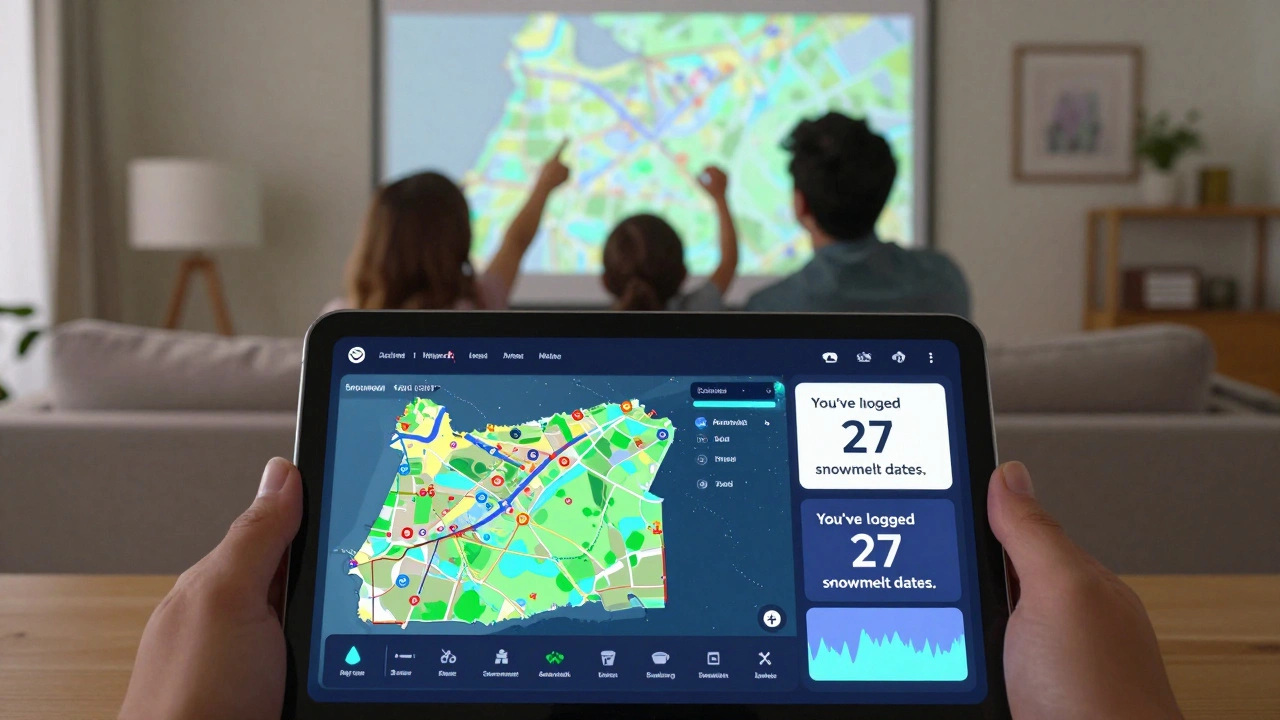
One program in Oregon asked volunteers to track snowmelt timing in mountain streams. Each participant got a personal dashboard: "You’ve logged 27 snowmelt dates. Your data helped show that snow is melting 11 days earlier than in 2010." That kind of feedback doesn’t just motivate-it turns volunteers into advocates.
Even small wins matter. A group in Michigan tracked frog calls. Every spring, they published a map showing which ponds had the loudest chorus. People started sharing screenshots. Parents printed them for school projects. Local news picked it up. Suddenly, this wasn’t just data-it was a story.
Build rhythm, not just tasks
People don’t stick with programs because they’re passionate about science. They stick because they feel part of something.
Think about seasons. Holidays. Local events. Use them. Launch a "Spring Bird Blitz" the weekend after daylight saving time. Run a "Winter Sky Watch" during the Perseid meteor shower. Tie your data collection to things people already care about.
Weekly emails help too. Not long reports. Just: "Hey, you logged 5 observations last week. The group saw 12% more monarchs than last year. Here’s a photo of one someone spotted near you." That’s it. A quick ping. A connection.
Give volunteers a voice
The best citizen science programs don’t just collect input-they invite co-design.
A group in Minnesota wanted to track ice-out dates on lakes. At first, they sent out a standard form. Volunteers kept saying: "We don’t measure ice thickness. We just walk out and see if we can hear it crack." So they changed the form. Added a sound recording option. Let people upload short videos of cracking ice. The data became richer. And participation doubled.
Ask volunteers what they want to see next. Let them suggest new species to track. Let them name the program’s mascot. One group in Wisconsin let kids vote on the name of their moth-tracking initiative. They chose "WingWatcher." Now, kids wear shirts with that logo. They bring their grandparents. They teach their classmates.
Train, but don’t lecture
Training sessions shouldn’t feel like classrooms. No PowerPoints. No handouts. No jargon.
Try this: Record a 90-second video showing how to identify a specific bird by its call. Put it on a website with a button that says: "Try it now." Then play the call. Let them guess. Give instant feedback: "That was a red-winged blackbird. You got it!"
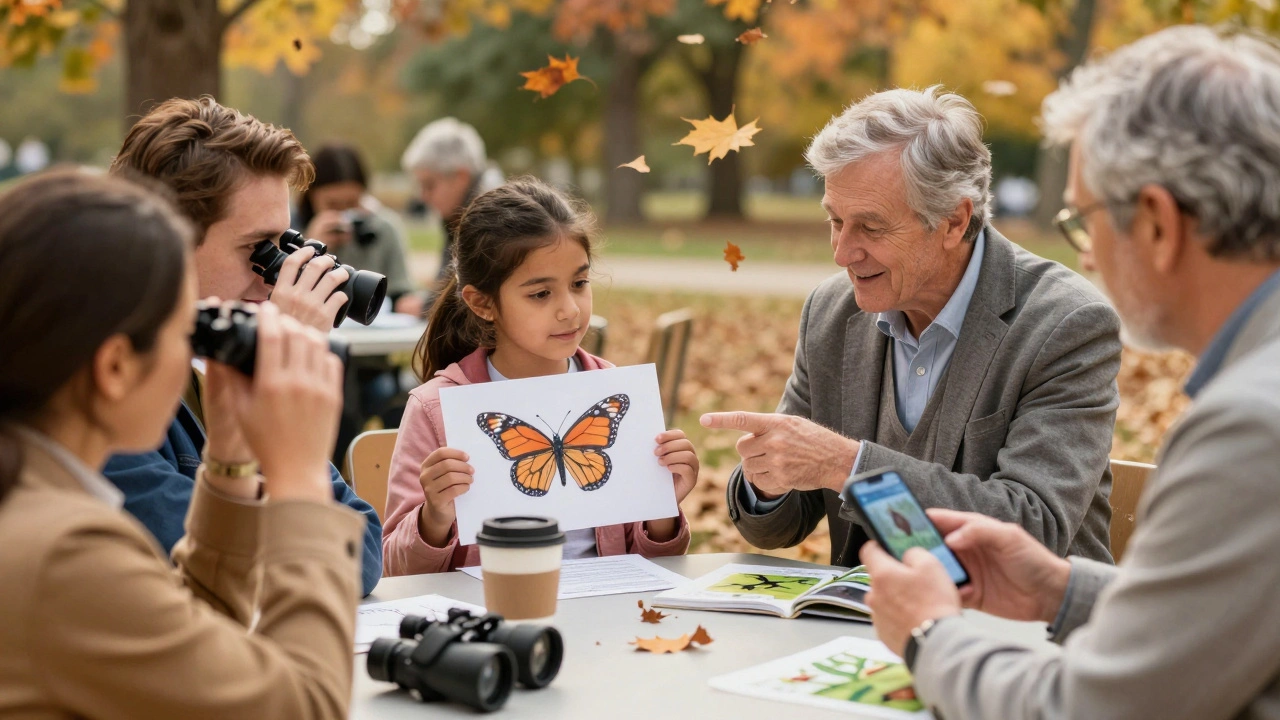
Or set up a local "Data Day"-a Saturday morning at a park with coffee, binoculars, and a volunteer expert who says: "Come find me if you’re stuck." No tests. No grades. Just help.
People learn by doing, not by reading. And they remember what they figure out themselves.
Let the program evolve
The most sustainable programs aren’t rigid. They’re responsive.
One long-running water quality project in Pennsylvania started with volunteers testing pH and temperature. After three years, they noticed most participants were older adults. Younger people weren’t joining. So they added a new layer: smartphone-based algae photography. You snap a picture of green scum on the shore. The app identifies the type. It’s fun. It’s social. It’s shareable. Participation from under-30s jumped by 68% in one season.
Don’t be afraid to pivot. If a task is boring, change it. If a tool is outdated, replace it. If people stop showing up, ask why. Not in a survey. In person. Over coffee. At a community fair.
It’s not about the data. It’s about the people.
Science needs rigor. But people need meaning.
A citizen science program that only cares about accuracy will burn out fast. One that only cares about fun will never produce reliable results. The winning formula? Make people feel like they’re part of something bigger-and then show them exactly how their tiny actions add up.
That’s the balance. Not perfect data. Not perfect volunteers. Just real humans, showing up, week after week, because they believe their eyes, their notes, and their curiosity matter.