11 Sep 2026
- 0 Comments
You just bought a new eyepiece or perhaps your primary mirror has collected a few months of dust from the garage. The urge to wipe it clean is strong. But here is the hard truth: more telescope optics are ruined by improper cleaning than by actual wear and tear. A single aggressive swipe with a dry cloth can scratch telescope optics, permanently degrading image contrast. Before you grab that microfiber cloth, you need to understand what you are actually looking at and how delicate those surfaces really are.
The Hidden Danger in Plain Sight
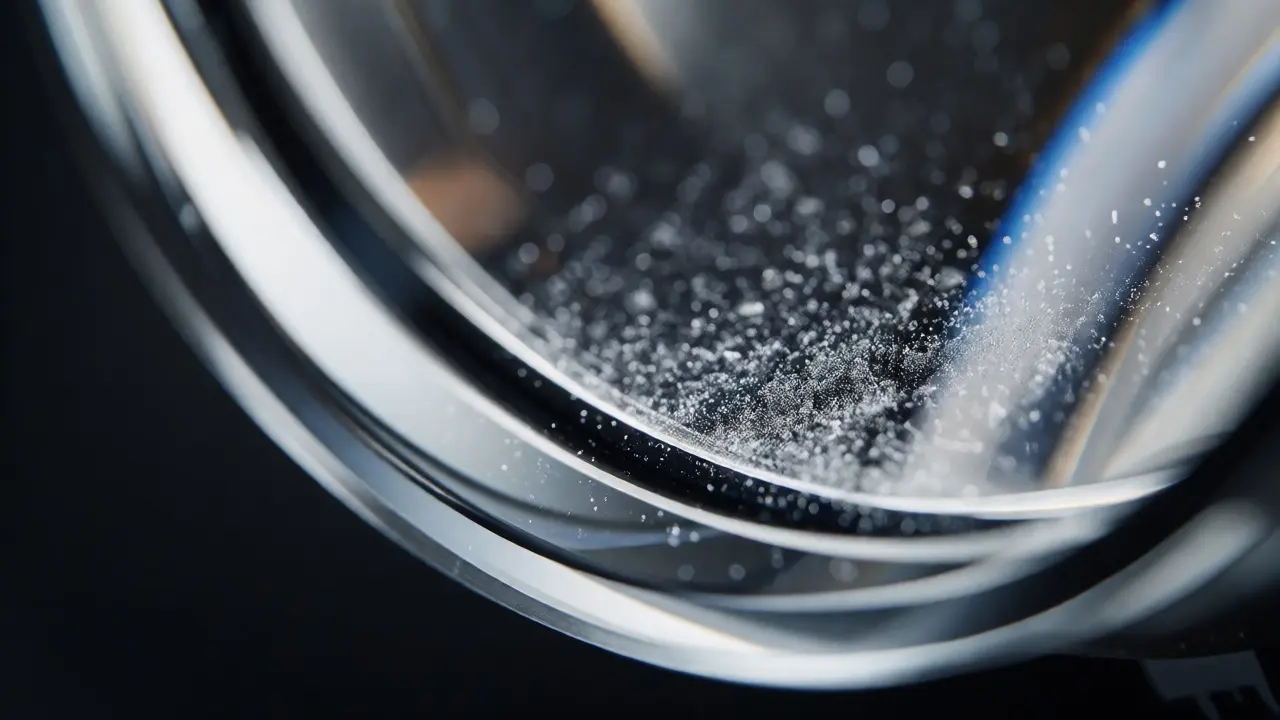
Telescope mirrors and lenses aren't just pieces of glass. They are precision instruments coated with microscopic layers of aluminum, silver, or dielectric materials. These coatings protect the glass and enhance reflectivity, but they are incredibly soft compared to the substrate beneath them. Think of it like trying to clean a car windshield with sandpaper. If you wipe a dusty mirror directly, you are dragging abrasive particles across the coating. That "smudge" you see? It might be fine grit from the atmosphere. Scrubbing it doesn't remove the dirt; it grinds it into the surface.
This is why the golden rule of optics maintenance is simple: When in doubt, leave it alone. Small specks of dust on a primary mirror rarely affect visual observation. Your eye integrates light over an area, so tiny obstructions vanish. However, grease, salt spray, or biological matter (like bird droppings) do need removal because they can etch the coating over time if left unchecked.
Know Your Surfaces: Glass vs. Mirrors
Not all optical surfaces are created equal. Understanding the difference between front-surface mirrors and standard glass lenses dictates your cleaning strategy.
| Surface Type | Coating Location | Cleaning Risk | Recommended Approach |
|---|---|---|---|
| Front-Surface Mirror | Top layer (exposed) | High | Air blow first; wet wash only if necessary |
| Back-Surface Lens | Beneath glass | Low | Standard lens paper or cloth safe |
| Corrector Plate | Both sides often coated | Medium | Gentle solution; avoid edge pressure |
Most amateur telescopes use front-surface mirrors. This means the reflective layer is on top of the glass, not under it. There is no protective glass shield above the coating. One wrong move, and you buff off the aluminum. Lenses, typically found in refractors or eyepieces, usually have coatings protected by the glass itself or harder anti-reflective layers, making them slightly more forgiving, though still prone to scratching if treated roughly.
Step 1: The Air Blow (Do This First)
Before any liquid touches your optics, you must remove loose debris. Using a compressed air canister is risky because the propellant can spray cold liquid onto the warm mirror, causing thermal shock or leaving residue. Instead, invest in a manual air blower bulb, similar to those used for camera sensors. These rubber bulbs produce a gentle puff of air without moisture or chemicals.
Hold the blower about two inches from the surface. Give it several short, sharp squeezes. Tilt the mirror slightly so gravity helps the dislodged dust fall away rather than settling back down. For large primary mirrors, this step alone removes 90% of the problem. If the spot remains after three tries, it’s likely stuck-on grime, not just dust. Now, and only now, do you consider wet cleaning.
Step 2: The Wet Wash Method
If you must clean, do it gently. You don't need specialized commercial cleaners for every job. In fact, many professional astronomers prefer distilled water and a drop of mild dish soap (the kind without lotions or degreasers). Why distilled? Tap water contains minerals that leave white spots when dried.
Here is the safe procedure:
- Prepare a basin of lukewarm distilled water with a tiny drop of soap.
- Dip a clean, lint-free cotton ball or a dedicated optical swab into the solution.
- Do not touch the mirror with your fingers. Hold the swab by its stem.
- Lightly dab the dirty area. Do not scrub. Let the solvent lift the dirt.
- Rinse the area with a fresh swab dipped in plain distilled water.
- Let it air dry completely before capping the tube.
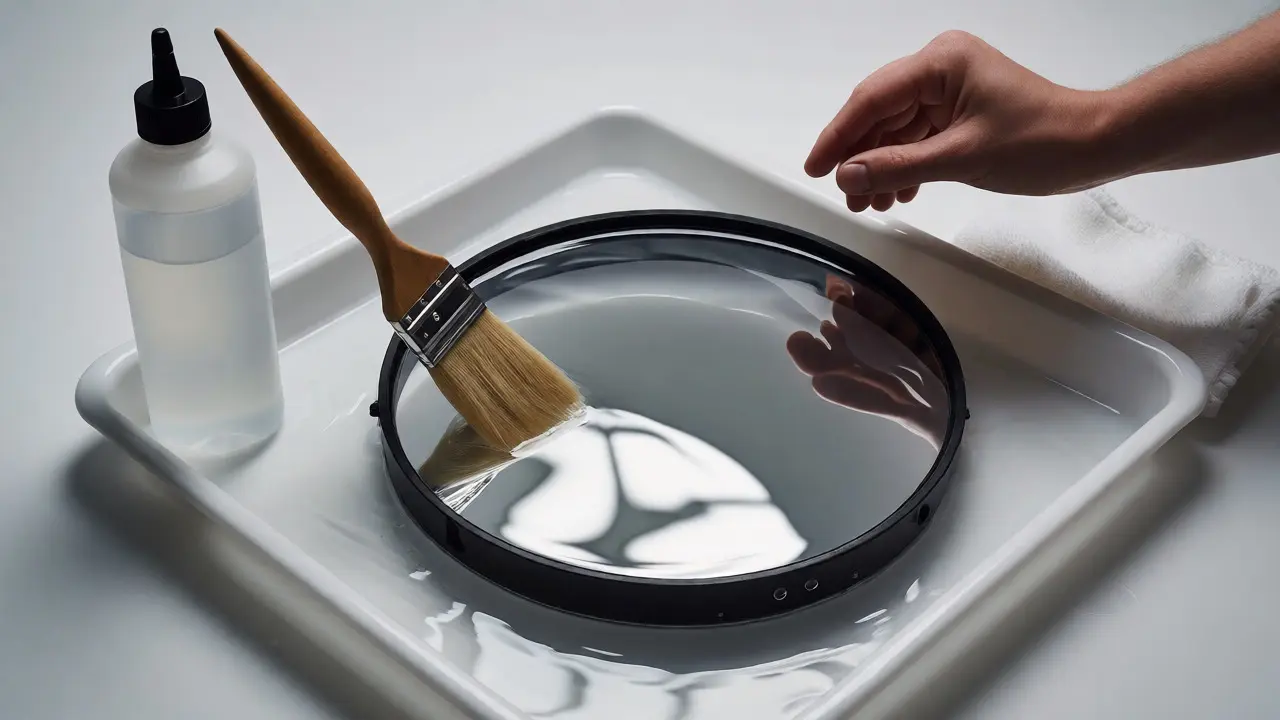
For larger mirrors, you can lay the mirror flat in a clean tray. Pour the soapy water over it gently. Use a soft camel-hair brush to lightly agitate the surface, lifting particles without pressing them down. Rinse with a slow stream of distilled water from a squeeze bottle. Pat dry carefully with a brand-new, high-quality microfiber cloth designed specifically for optics. Never reuse a cloth that has touched other surfaces unless it has been washed thoroughly without fabric softener.
What About Commercial Cleaners?
You will see bottles labeled "Optical Cleaner" everywhere. Are they better? Sometimes. Many contain alcohol blends that evaporate quickly, reducing the chance of streaks. However, some older formulations contained ammonia, which can degrade certain plastic components or seals in eyepieces. Always check the label. If it says "ammonia-free," it is generally safer for multi-element systems.
A common mistake is spraying cleaner directly onto the lens or mirror. This forces fluid into the edges where it can seep behind the element, potentially damaging internal coatings or fogging up the inside of a sealed eyepiece. Always apply the cleaner to the cloth or swab first, then wipe the optic. This gives you control over the amount of liquid used.
Cleaning Eyepieces and Barlows
Eyepieces are complex assemblies with multiple small lenses. Cleaning them requires patience. Start with the eye lens and field lens separately if possible. Often, these unscrew easily. Once removed, you can clean each element individually using the dab-and-rinse method described above.
Be careful with the barrel-the metal part that goes into the focuser. While it isn't optical, keeping it free of grit prevents scratches on your focuser drawtube. Wipe it with a dry cloth. If the internal threads feel gritty, a quick blast from the air blower clears them out. Never oil the threads; grease attracts dust, turning your smooth focus mechanism into a grinding mess.
Prevention Beats Cure
The best way to keep your telescope optics clean is to prevent contamination in the first place. Dust settles fast. When you are done observing, cap your telescope immediately. Don't let it sit open overnight in the backyard.
Consider storing your gear in a sealed case with silica gel packets. These absorb ambient moisture, preventing fungal growth-a real threat in humid climates like Portland, Oregon. Fungus eats organic residues and can etch coatings irreversibly. If you live in a damp area, running a dehumidifier in your storage room during winter months saves you from expensive recoating jobs later.
Also, handle your optics by the edges. Fingerprints are acidic and oily. If you accidentally touch a lens, clean it promptly. Don't wait for the oils to settle in. And remember, less is more. Frequent aggressive cleaning wears down coatings over years. Gentle, infrequent cleaning preserves them.
Troubleshooting Common Mistakes
Did you already make a mistake? Here is how to assess the damage.
If you see faint circular marks after wiping, you likely dragged dust across the surface. These are micro-scratches. Unfortunately, you cannot polish them out yourself without risking the coating's integrity. Accept them as battle scars. They rarely impact visual performance significantly.
If you see white haze or streaks, you probably didn't rinse well enough or used tap water. Try a second gentle rinse with distilled water and let it air dry. If the haze persists, it might be residue from a harsh chemical. Repeat the mild soap wash carefully.
Never use window cleaner, Windex, or household glass sprays on telescope mirrors. These products often contain ammonia or abrasives meant for tough house windows, not delicate astronomical coatings. They can strip the protective layer entirely.
How often should I clean my telescope mirror?
Only when necessary. Visual inspection through the eyepiece is the best test. If stars look dimmer or there is significant glare from bright objects, consider cleaning. For most users, this might be once every few years. Dust alone rarely affects view quality.
Can I use rubbing alcohol to clean my optics?
Isopropyl alcohol (70% or higher) can be used, but it must be mixed with distilled water (usually 50/50). Pure alcohol evaporates too quickly and can leave residues if not wiped perfectly. Avoid alcohol on plastic parts or rubber seals as it may cause cracking over time.
What is the best cloth for cleaning telescope lenses?
Use high-quality, lint-free microfiber cloths designed specifically for optics. Avoid paper towels, tissues, or old t-shirts, as their fibers are too coarse and can scratch coatings. Ensure the cloth is clean before use; store it in a sealed bag when not in use.
Does dust really affect my viewing experience?
Minimal dust has negligible effect on visual astronomy. Your eye averages the light, so tiny specks disappear. Only heavy accumulation, grease, or fungus impacts image contrast and brightness. Do not panic over a few specks.
Should I recoat my mirror myself?
No. Recoating involves vacuum chambers and precise vapor deposition techniques. DIY kits exist but often yield poor results compared to professional services. Send your mirror to a specialist if the coating is peeling or heavily oxidized.