21 May 2026
- 0 Comments
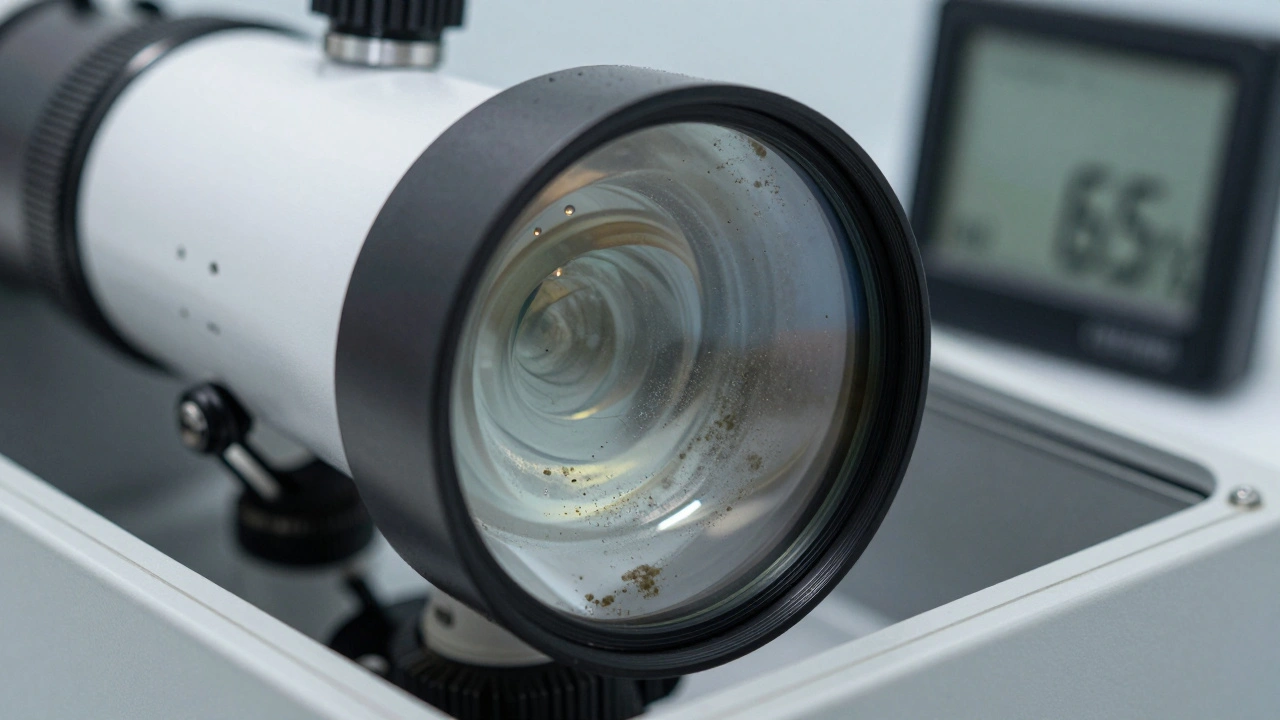
There is nothing more frustrating than pulling out your expensive telescope after a long storage period only to find a hazy film on the lenses or mold growing in the corners of the case. This isn't just bad luck; it is usually the result of failed moisture control. Most amateur astronomers rely on Silica Gel, which is a porous form of silicon dioxide used as a desiccant to absorb moisture from the air. But here is the hard truth: silica gel does not last forever. Once it is saturated with water vapor, it stops working entirely. If you are storing sensitive optics like refractors, SCTs, or high-end eyepieces, knowing how to recharge that gel is not optional-it is essential maintenance.
You might think throwing the beads in the microwave is the fastest route, but that can crack the beads and release dust into your gear. You need a method that restores their adsorption capacity without damaging the physical structure of the desiccant. Let’s walk through exactly how to tell when your gel is dead, the safest ways to bring it back to life, and how to set up your dry box so it actually works.
Understanding How Silica Gel Works in Dry Boxes
To maintain your telescope properly, you first need to understand what the silica gel is actually doing. It is not a chemical sponge that dissolves water. Instead, it acts through adsorption. The silica beads have a massive surface area filled with microscopic pores. Water molecules from the air get trapped inside these pores due to electrostatic forces. Think of it like a tiny magnet for humidity.
In a sealed environment like a Telescope Dry Box, which is an airtight container designed to store optical equipment at low humidity levels to prevent mold and corrosion, the goal is to keep relative humidity (RH) below 40-50%. Mold spores thrive above 60% RH. When the silica gel reaches its saturation point-usually around 30-40% of its weight in water depending on the type-it can no longer pull moisture from the air. At this stage, the dry box becomes just a regular plastic bin, offering zero protection against condensation during temperature swings.
| Type | Color Indicator | Absorption Capacity | Best For |
|---|---|---|---|
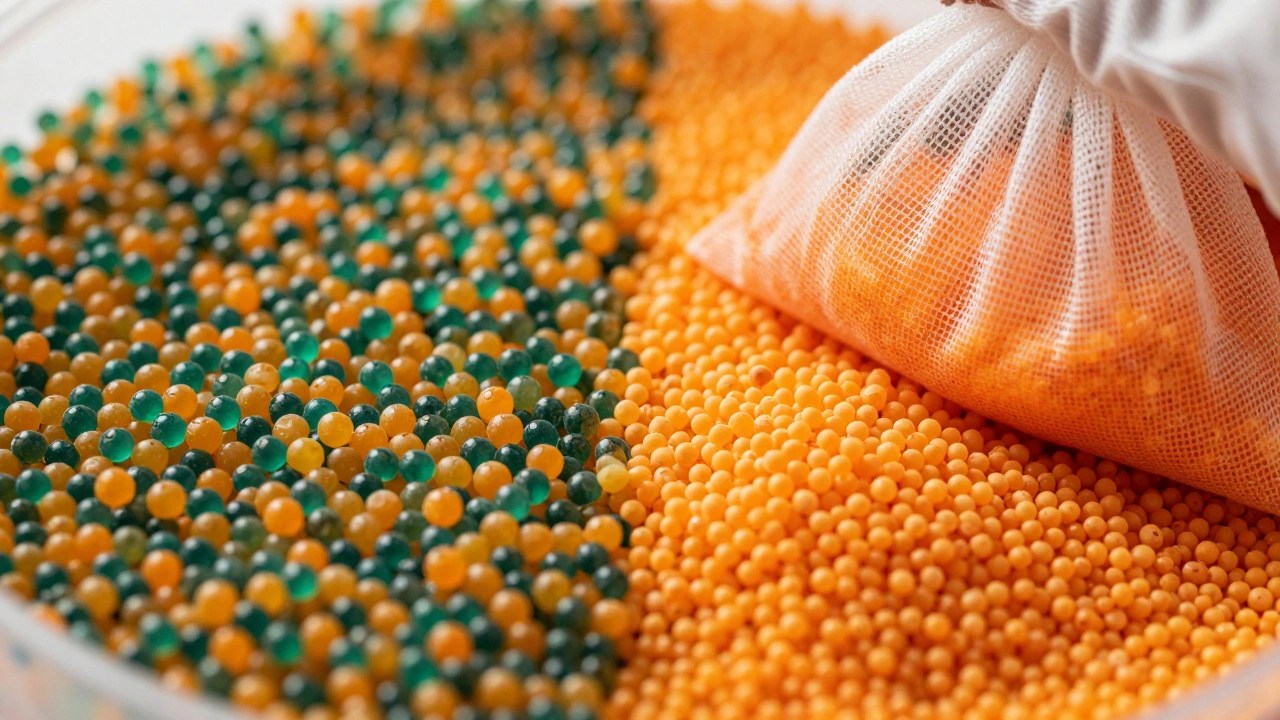
| Blue Indicator | Blue (Dry) → Pink (Wet) | ~40% by weight | General purpose, older stock |
| Orange Indicator | Orange (Dry) → Green (Wet) | ~20-30% by weight | Safe for optics, non-toxic |
| No Indicator | Clear/White | ~40% by weight | Bulk use, requires hygrometer |
Note that blue indicator silica gel contains cobalt chloride, which is toxic. While effective, many modern users prefer orange indicator gel because it uses methyl violet, a safer alternative. Regardless of color, the physics remain the same: heat drives the water out of the pores, resetting the cycle.
Signs Your Silica Gel Needs Recharging
If you are using indicator beads, the visual cue is obvious. Blue turns pink, and orange turns green. But what if you bought cheap, clear beads? Or what if you forgot to check them for six months? Here are the non-visual signs that your desiccant has failed:
- The Hygrometer Reading Creeps Up: If your digital hygrometer shows a steady rise in humidity inside the box despite the lid being closed tight, the gel is likely saturated.
- Condensation on Lenses: Even minor fogging when opening the box indicates the internal air is holding too much moisture.
- Clumping: Fresh silica gel beads flow freely like sand. Saturated beads often stick together or feel slightly damp to the touch.
- Time Elapsed: In humid climates (like coastal areas), even a well-sealed box may require recharging every 3-6 months. In arid regions, it might last a year or more.
Ignoring these signs risks permanent damage. Fungal growth on lens coatings is difficult to remove and can etch the glass over time. Corrosion on metal collimation screws or mirror cells is another silent killer.
Method 1: The Oven Method (Safest & Most Reliable)
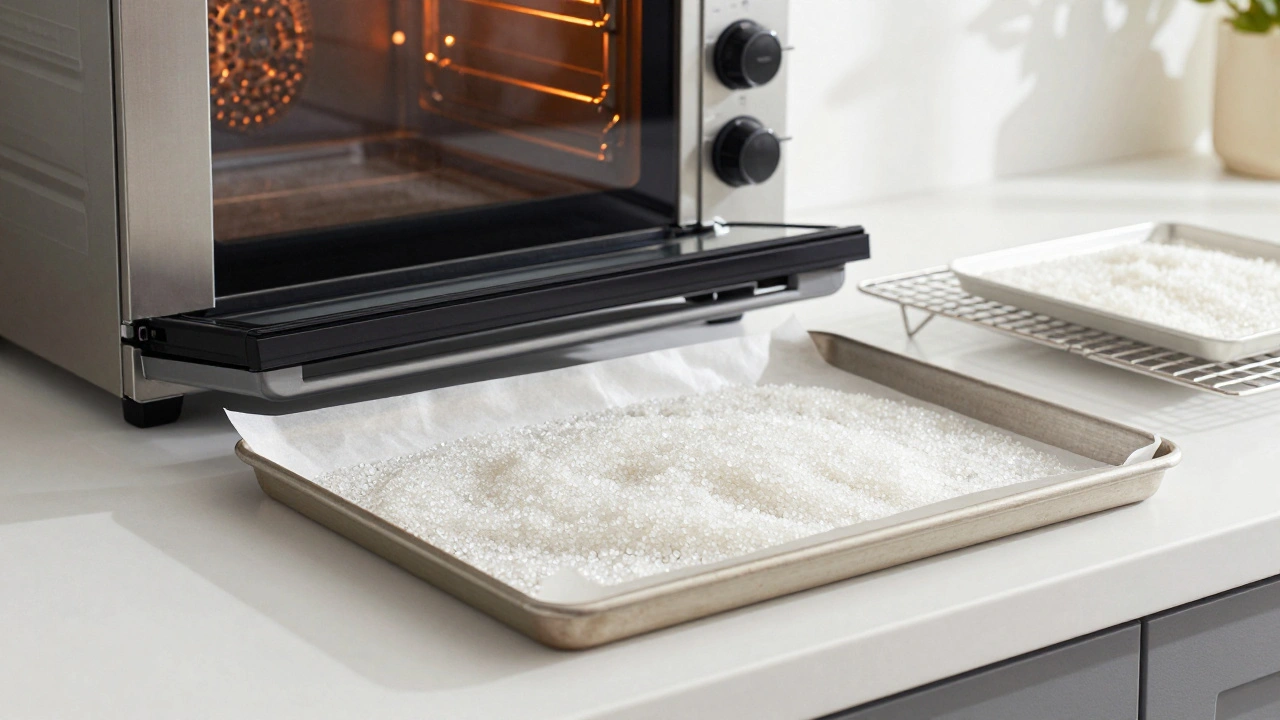
For most home users, the oven is the best tool for recharging silica gel. It provides consistent, controllable heat without the risk of scorching that microwaves present. This method works for both small packets and bulk bags of beads.
- Preheat the Oven: Set your oven to 250°F (120°C). Do not go higher. Excessive heat can degrade the silica structure or cause the indicator dye to break down permanently.
- Prepare the Tray: Spread the silica gel evenly on a baking sheet lined with parchment paper. Avoid piling them too thickly; you want air circulation around the beads.
- Bake: Place the tray in the center rack. Bake for 2-3 hours. The exact time depends on the volume of gel and how saturated it was. Small packets may be ready in 90 minutes.
- Cool Down: Turn off the oven and let the gel cool completely inside the turned-off oven or on the counter. Crucial Step: Do not put hot silica gel back into your dry box immediately. Hot gel will warm the air in the box, causing temporary condensation when the box cools later. Wait until the beads are room temperature.
- Store Properly: Once cooled, transfer the gel back into breathable pouches or directly into the box. Seal the box tightly.
This method restores nearly 100% of the adsorption capacity. You can reuse the same batch of silica gel hundreds of times if handled correctly.
Method 2: The Microwave Method (Quick but Risky)
I know what you’re thinking: "I don’t want to turn on my whole oven for some beads." I get it. Microwaving is faster, but it comes with significant risks. Uneven heating can cause individual beads to explode, sending shards of silica flying. Worse, overheating can discolor indicator beads irreversibly, making them useless for future monitoring.
If you must use a microwave, follow these strict safety rules:
- Use Short Intervals: Heat in 30-second bursts. Let the beads cool between bursts.
- Monitor Closely: Watch for smoke or popping sounds. If you hear cracking, stop immediately.
- Keep Them Moving: Stir the beads between intervals to ensure even drying.
- Never Overheat: Total heating time should rarely exceed 2-3 minutes for a standard packet.
Honestly, unless you are in a pinch, skip the microwave. The oven method is safer for your gear and less stressful for you.
Method 3: Solar Recharging (Eco-Friendly Alternative)
Living in a sunny climate? You can harness free energy. Place your silica gel packets or open containers of beads in direct sunlight on a dark-colored surface (which absorbs heat) for 1-2 days. The ambient heat combined with UV exposure helps drive out moisture.
This method is slower and less thorough than the oven, especially in humid environments where the air itself is wet. However, it is excellent for maintenance top-ups or if you live in an arid region. Just ensure the gel is in a breathable mesh bag to prevent contamination from dust or insects.
Setting Up Your Dry Box for Long-Term Success
Recharging the gel is only half the battle. Your dry box setup determines how effectively that gel protects your telescope. Here is how to optimize your storage environment:
Seal Integrity is Key
Most commercial dry boxes come with rubber gaskets. Check these seals annually. If they are cracked or compressed, air leaks in, overwhelming the silica gel. You can test the seal by closing the box on a piece of paper and trying to pull it out. If it slides out easily, the seal is weak. Consider adding weatherstripping tape to improve the closure.
Ratio Matters
A common mistake is using too little silica gel. A good rule of thumb is 1 pound of silica gel per 1 cubic foot of box volume. For a large telescope tube case, you may need multiple kilograms of gel. Don’t skimp here. Under-dosing means the gel saturates quickly, leaving your optics vulnerable.
Use Breathable Pouches
Never pour loose beads directly into the box where they can spill onto lenses or into mechanical parts. Use cotton or mesh pouches. These allow air to circulate while containing the beads. Label each pouch with the date it was last recharged to track rotation cycles.
Include a Digital Hygrometer
Indicator beads are helpful, but a digital hygrometer gives you precise data. Place it inside the box (not taped to the wall, but suspended in the center) to monitor real-time humidity. Aim for 35-45% RH. Below 30%, static electricity can become an issue, attracting dust to your lenses. Above 50%, you are entering the danger zone for mold.
Maintenance Schedule and Best Practices
Treat your dry box like part of your telescope’s optical train. Neglect it, and you lose image quality. Here is a simple maintenance routine:
- Monthly Check: Glance at the hygrometer. Note any trends in rising humidity.
- Quarterly Inspection: Check the condition of the silica gel beads. Look for clumping or color changes. Inspect the box seals for wear.
- Semi-Annual Recharge: In moderate climates, recharge all gel every 6 months. In tropical or coastal areas, do this every 3-4 months.
- Annual Deep Clean: Remove all gear, wipe down the interior of the box with a dry microfiber cloth, and recharge the gel thoroughly.
Remember, silica gel is reusable indefinitely if not contaminated. Avoid dropping beads on dirty floors. If they get wet with liquid water (not just humidity), wash them gently in distilled water, dry them completely in the oven, and then recharge. Contaminants like oil or dirt can clog the pores, reducing effectiveness.
Common Mistakes to Avoid
Even experienced astronomers make errors in moisture management. Steer clear of these pitfalls:
Mixing Old and New Gel
When recharging, try to process all gel at once. Mixing fully saturated old beads with fresh or partially charged ones creates an uneven drying environment. The wet beads will continue to release moisture, raising the overall humidity in the box.
Using Clay Desiccants
You might see clay-based desiccants in shoe boxes. Do not use these for telescopes. They are less efficient, heavier, and can crumble into dust that coats your optics. Stick to high-quality silica gel.
Ignoring Temperature Swings
If you store your telescope in an unheated garage, temperature fluctuations cause air to expand and contract, potentially breaking the seal of the dry box. Ensure the box is placed in a stable environment if possible, or check seals more frequently.
Can I recharge silica gel too many times?
Silica gel is physically durable and can be recharged hundreds of times. However, over time, the beads may fracture or become contaminated with dust. If the beads are crumbling significantly or losing their ability to change color (for indicators), it is time to replace them. There is no fixed limit, but inspect them visually each time you recharge.
Is blue silica gel safe for my telescope?
Blue silica gel contains cobalt chloride, which is toxic if ingested or inhaled in large quantities. While it is generally safe for use in sealed dry boxes, orange indicator silica gel is preferred by many professionals because it is non-toxic. If you use blue gel, ensure the beads are contained in strong mesh pouches to prevent leakage.
How do I know if my dry box seal is broken?
If your hygrometer shows humidity levels matching the outside environment despite having fresh silica gel, your seal is likely compromised. Perform the "paper test": close the box on a dollar bill and try to pull it out. If it slips out easily, the gasket needs replacement or reinforcement with weatherstripping tape.
Can I use a dehumidifier instead of silica gel?
Electric dehumidifiers are effective for large rooms but are overkill and impractical for small telescope cases. They consume power, generate heat, and require drainage. Silica gel is passive, silent, and ideal for enclosed spaces. For very large cabinets, consider a dedicated cabinet dehumidifier, but for standard dry boxes, silica gel remains the gold standard.
What is the ideal humidity level for storing telescopes?
The ideal relative humidity for optical equipment is between 35% and 45%. Below 30%, static electricity can attract dust to lenses. Above 50%, the risk of mold growth and metal corrosion increases significantly. Maintaining this range ensures your optics stay clear and your mechanical parts remain functional.