20 May 2026
- 0 Comments
Chasing the Perseid meteor shower or the Geminids often means driving hours away from city lights to reach a dark sky preserve. You are trading comfort for photons, but that isolation comes with real risks. The same darkness that reveals faint meteors also hides mountain lions, black bears, and venomous snakes. Your car is your shelter, your power source, and your escape route. If you don't have a solid plan for remote site safety, a night of stargazing can quickly turn into an emergency.
Why Remote Sites Are Different From Backyard Stargazing
Backyard astronomy is safe because you know the terrain, the neighbors, and the local wildlife. At a remote dark sky site, none of those guarantees exist. You might be parked on a gravel shoulder in the high desert or a dirt clearing in a national forest. Cell service is often nonexistent. Roads are unpaved and narrow. When you step out of your vehicle at 2 AM to check your camera settings, you are entering an environment where humans are not the apex predator.
The primary goal isn't just seeing meteors; it's surviving the night unharmed so you can do it again next year. This requires treating your vehicle as a mobile base camp and respecting the local ecosystem.
Vehicle Protocols: Your Mobile Base Camp
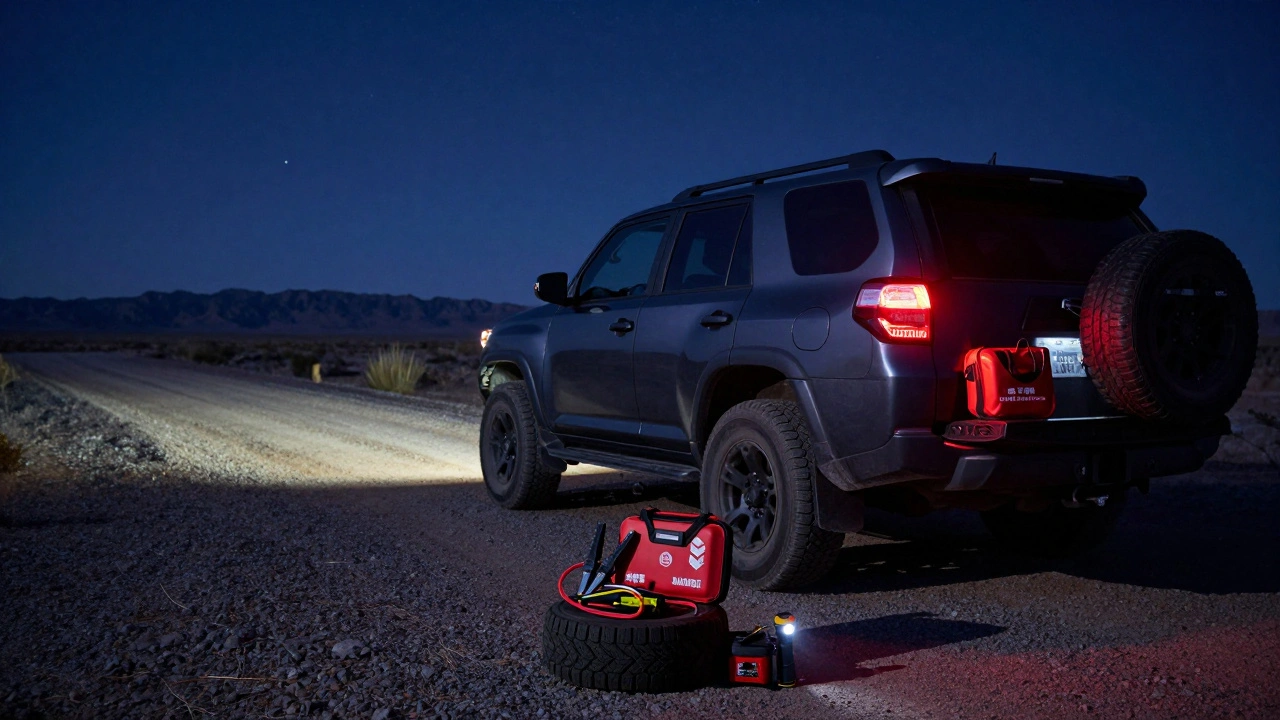
Your vehicle is more than transport; it is your lifeline. In remote areas, mechanical failures or getting stuck in mud or snow can leave you stranded overnight. Proper preparation prevents this.
| Check Point | Action Required | Reason |
|---|---|---|
| Tire Pressure | Deflate to recommended off-road PSI (often 20-25 PSI) | Increases traction on loose gravel, sand, or mud |
| Fuel Level | Fill tank completely before departure | No gas stations within 50+ miles; running out leaves you stranded |
| Emergency Kit | Include jumper cables, tire repair kit, flashlight, first aid | Self-rescue capability when help is hours away |
| Ground Clearance | Verify clearance meets trail requirements | Prevents undercarriage damage on rocky terrain |
Parking position matters immensely. Never park perpendicular to the road unless there is a designated turnout. Park parallel to the flow of traffic if possible, or use established pullouts. This ensures that if you need to move quickly due to wildlife or weather, you aren't blocking other vehicles or struggling to reverse down a steep incline.
Keep your headlights off once parked. Even dim parking lights can attract insects and disturb nearby wildlife. Use red-light headlamps instead. Red light preserves your night vision and is less likely to trigger territorial behaviors in animals like coyotes or deer.
Night Wildlife Encounters: Respect the Ecosystem
Wildlife behavior changes drastically after sunset. Predators become active, and herbivores move to feeding grounds. Understanding these patterns keeps you safe.
Bears
In bear country, food storage is non-negotiable. Never leave food, scented items (toothpaste, deodorant), or trash inside your vehicle if windows can be broken. Bears have been known to break car windows in seconds. Store all consumables in hard-sided containers outside the car, ideally in a bear-proof locker if available, or suspended from a tree line at least 100 feet from your sleeping area.
If you see a bear, make noise immediately. Wave your arms and shout. Do not run. Running triggers chase instincts. Back away slowly while maintaining eye contact. Carry bear spray and know how to use it-aim for the face when the animal charges.
Mountain Lions and Cougars
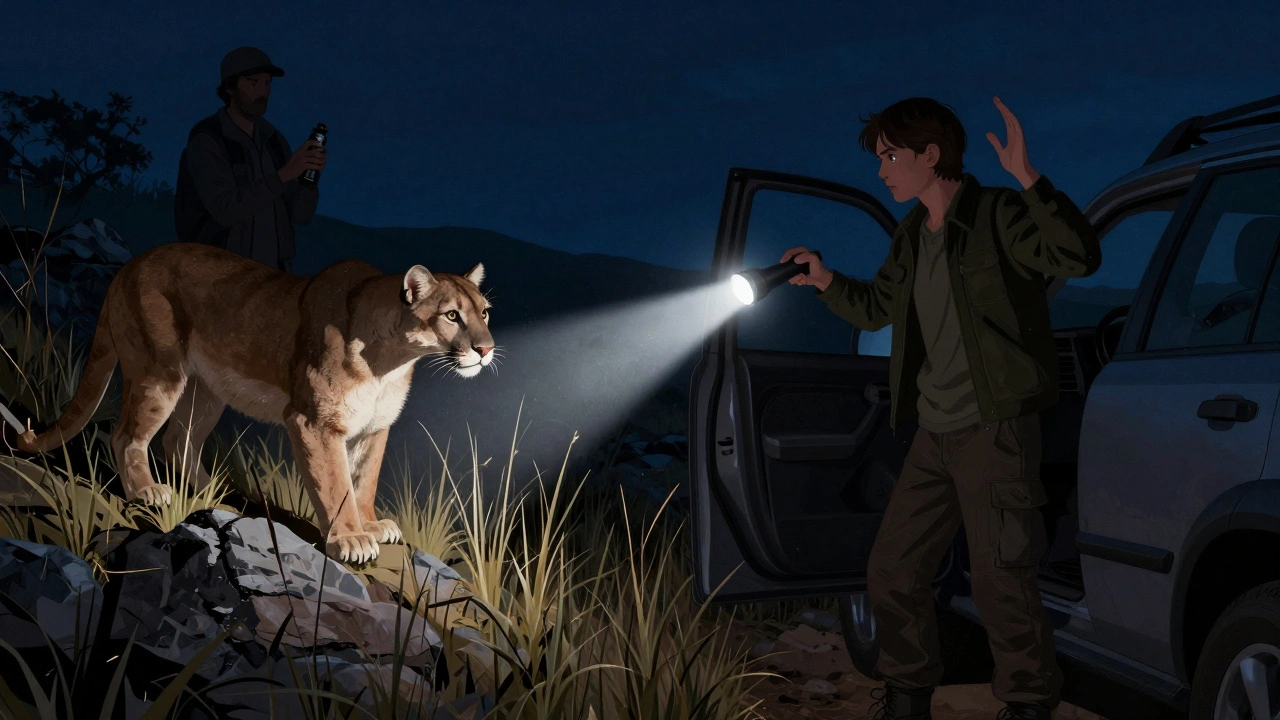
Cougars are stealth hunters. They prefer tall grass, dense brush, and rocky outcrops. Avoid walking alone in these areas at night. If you must exit your vehicle, stay near the light of your door lamp or use a powerful white-beam flashlight to scan ahead.
If you encounter a cougar, stand your ground. Make yourself look larger by raising your arms. Do not crouch or turn your back. Throw rocks or sticks if necessary. Direct confrontation usually causes them to retreat.
Snakes and Reptiles
In warmer climates, rattlesnakes and other venomous species seek warmth on cool nights. They may hide under logs, rocks, or even inside abandoned boots. Always check your footwear before putting them on. Shake out gloves and hats. When setting up tripods or chairs, inspect the ground first. A snake bite is rare but serious in remote areas where medical help is distant.
Setting Up Camp Safely After Dark
You will likely arrive at your site before total darkness. Use this time wisely. Set up your telescope, camera, and tripod while you can still see. Mark cable runs with reflective tape or flags so you don't trip over them later.
When moving around your setup after dark:
- Use a red-light headlamp to preserve night vision.
- Walk deliberately; feel the ground with your foot before placing full weight.
- Avoid sudden movements that could startle wildlife.
- Keep one hand free for balance or defense.
Never leave expensive equipment unattended. While theft is less common in remote areas, opportunistic thieves or curious animals can cause damage. Bring your gear inside the vehicle if you step away for more than five minutes.
Weather and Environmental Hazards
Remote sites offer no shelter from sudden weather changes. Thunderstorms, flash floods, and temperature drops can occur without warning.
Monitor weather forecasts before departure. Check for lightning risk, wind speeds, and precipitation chances. If thunder is heard, seek shelter in your vehicle immediately. Metal-bodied cars provide excellent protection against lightning strikes. Do not take shelter under trees or open shelters.
Temperature regulation is critical. Hypothermia can set in quickly even in summer if rain or wind chill occurs. Dress in layers using moisture-wicking fabrics. Keep dry socks and extra insulation in your vehicle. Dehydration is equally dangerous-drink water regularly, even if you don't feel thirsty.
Communication and Emergency Plans
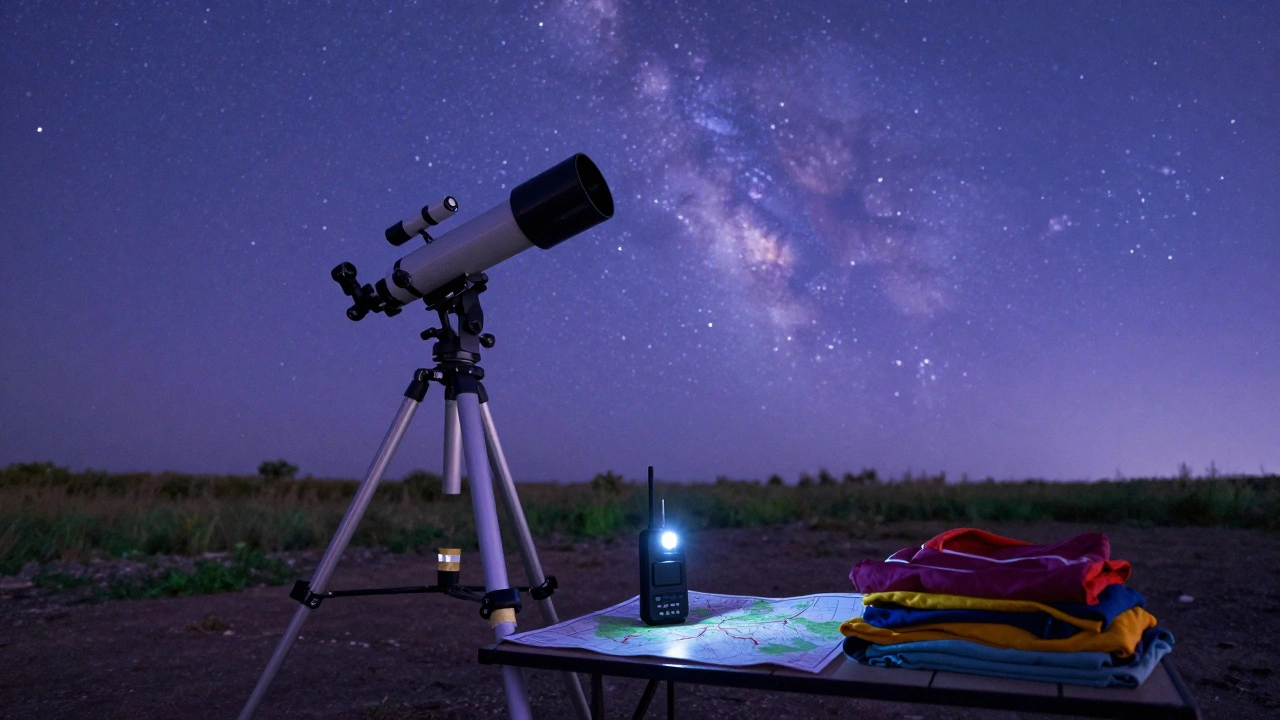
Assume you will have zero cell service. Inform someone reliable of your exact location, planned route, and expected return time. Share GPS coordinates via text or email before leaving.
Consider carrying a satellite communicator like a Garmin inReach or SPOT device. These allow two-way messaging and SOS alerts regardless of cellular coverage. Test the device before your trip.
If an emergency occurs:
- Stay calm and assess the situation.
- Use your satellite device to send distress signal.
- Conserve battery life on all electronics.
- Make yourself visible with reflective materials if rescue is expected.
- Do not attempt to hike out unless absolutely necessary and you know the way.
Leaving No Trace: Protecting Dark Sky Sites
Safety extends beyond personal well-being to environmental stewardship. Dark sky sites are fragile ecosystems. Human disturbance can disrupt wildlife breeding, nesting, and feeding patterns.
Follow Leave No Trace principles strictly:
- Carry out all trash, including biodegradable waste like fruit peels.
- Stick to established trails and parking areas.
- Avoid digging trenches or altering terrain.
- Minimize artificial light pollution by using shielded, red-filtered lamps.
- Respect quiet hours to protect both wildlife and fellow astronomers.
Litter attracts scavengers, which increases human-wildlife conflicts. A single candy wrapper left behind can lead to a bear becoming habituated to human food sources, resulting in the animal being euthanized. Your responsibility doesn't end when you pack up your camera.
Final Preparation Checklist Before Departure
Before loading your gear, review this final checklist to ensure nothing is overlooked:
- Vehicle: Full tank, proper tire pressure, emergency kit stocked.
- Navigation: Printed maps, offline GPS loaded, shared itinerary.
- Wildlife: Bear spray, secure food storage, knowledge of local species.
- Weather: Layered clothing, rain gear, insulated sleeping pad.
- Communication: Satellite messenger tested, emergency contacts saved.
- Equipment: Tripod stable, cables secured, backup batteries charged.
Safe remote site exploration allows you to focus on the cosmos above rather than dangers below. By respecting wildlife, preparing your vehicle, and planning for emergencies, you transform potential hazards into manageable challenges. The night sky rewards those who come prepared.
Is it safe to sleep in my car at remote dark sky sites?
Yes, sleeping in your car is generally safer than camping outdoors in remote areas. Vehicles provide protection from wildlife, weather, and insects. Ensure windows are slightly cracked for ventilation if needed, but lock doors securely. Park in designated areas only and avoid isolated spots where visibility is poor.
What should I do if I see a bear near my vehicle?
Do not approach the bear. Make loud noises by honking your horn or shouting. Stand your ground and appear large. If the bear approaches aggressively, use bear spray aimed at its face. Slowly back away toward your vehicle. Never run, as this may trigger a chase response.
How far should I store food from my sleeping area?
Store food at least 100 feet downwind from your sleeping area. Use bear-proof containers or hang food from a tree branch using the PCT method (at least 10 feet high, 4 feet from trunk). Never keep food inside your tent or accessible parts of your vehicle.
Can I use white light during a meteor shower without disturbing others?
White light severely impacts night vision and disturbs both humans and wildlife. Use red-light filters on all flashlights and headlamps. If you must use white light briefly, cover it with your hand and direct it downward. Inform nearby observers before turning on any bright lights.
What type of vehicle is best for remote astronomical photography?
SUVs or trucks with four-wheel drive offer the best access to remote sites. Higher ground clearance helps navigate rough terrain. Sedans can work on maintained roads but lack flexibility. Regardless of vehicle type, always carry recovery gear like traction boards and a shovel.
Should I tell someone my exact location before going to a dark sky site?
Absolutely. Share detailed GPS coordinates, arrival/departure times, and vehicle description with a trusted contact. Update them upon arrival and departure. This information is critical for search and rescue operations if you become injured or lost.
Are mountain lions dangerous to photographers at night?
Mountain lion attacks on humans are extremely rare. However, they are stealth predators attracted to movement. Stay alert, avoid walking alone in dense brush, and make noise while moving. If encountered, stand tall, maintain eye contact, and back away slowly. Most cougars will flee if confronted directly.
What should I do if my vehicle gets stuck in mud or sand?
Stop immediately to avoid digging deeper. Place traction mats, branches, or rocks under spinning tires. Reduce tire pressure for better grip. Have a partner push gently while you accelerate smoothly. If unable to free the vehicle, call for assistance via satellite communicator and wait safely inside.