14 May 2026
- 0 Comments
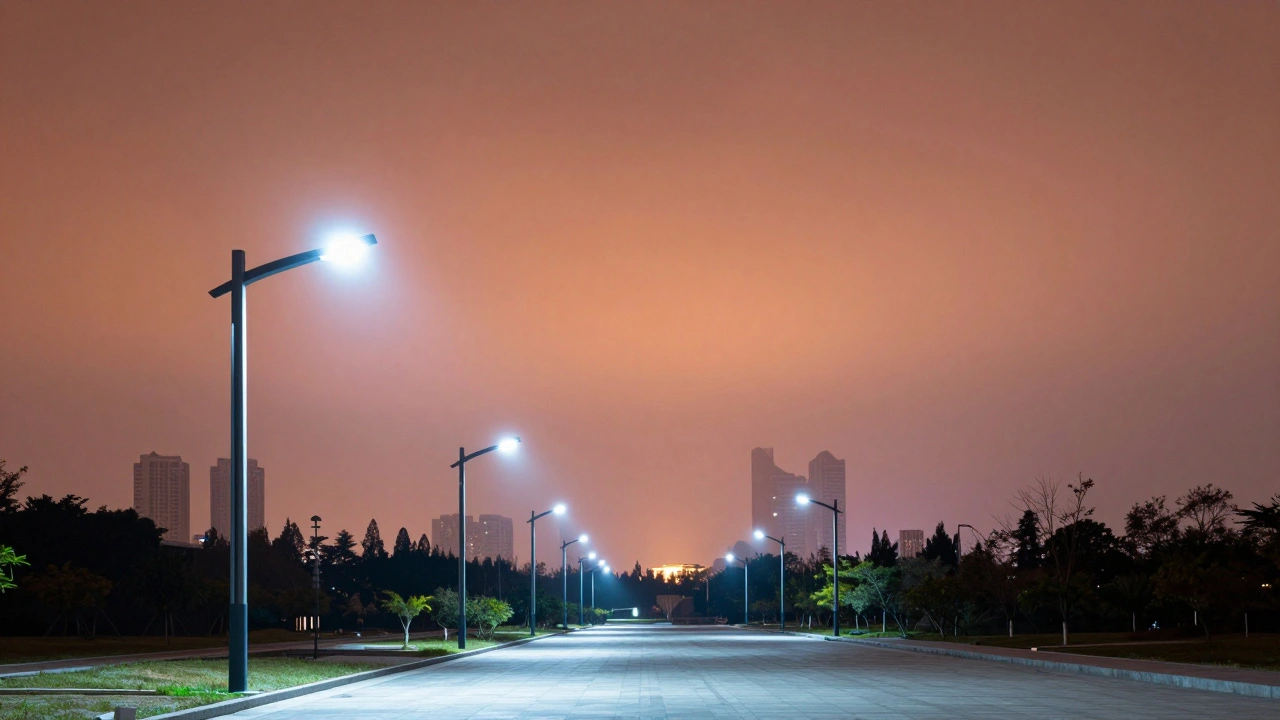
Look up at the night sky from a city center in 2026, and you might struggle to see more than a handful of stars. It’s not that the stars have disappeared; it’s that our lighting has changed. For decades, we relied on high-pressure sodium lamps that cast an orange glow. Now, municipalities worldwide are switching to LED streetlights, which offer energy savings but introduce a new problem for astronomers and wildlife alike. The culprit isn’t just brightness-it’s the specific mix of wavelengths emitted by these bulbs, known as their Spectral Power Distribution (SPD). Understanding SPD is the key to preserving dark skies without sacrificing safety or efficiency.
If you’ve ever wondered why some modern streetlights feel harsher on your eyes or ruin your astrophotography more than older models, the answer lies in this spectral curve. By breaking down how LEDs emit light and how filters can mitigate their impact, we can find a balance between urban development and the natural night environment.
What Is Spectral Power Distribution?
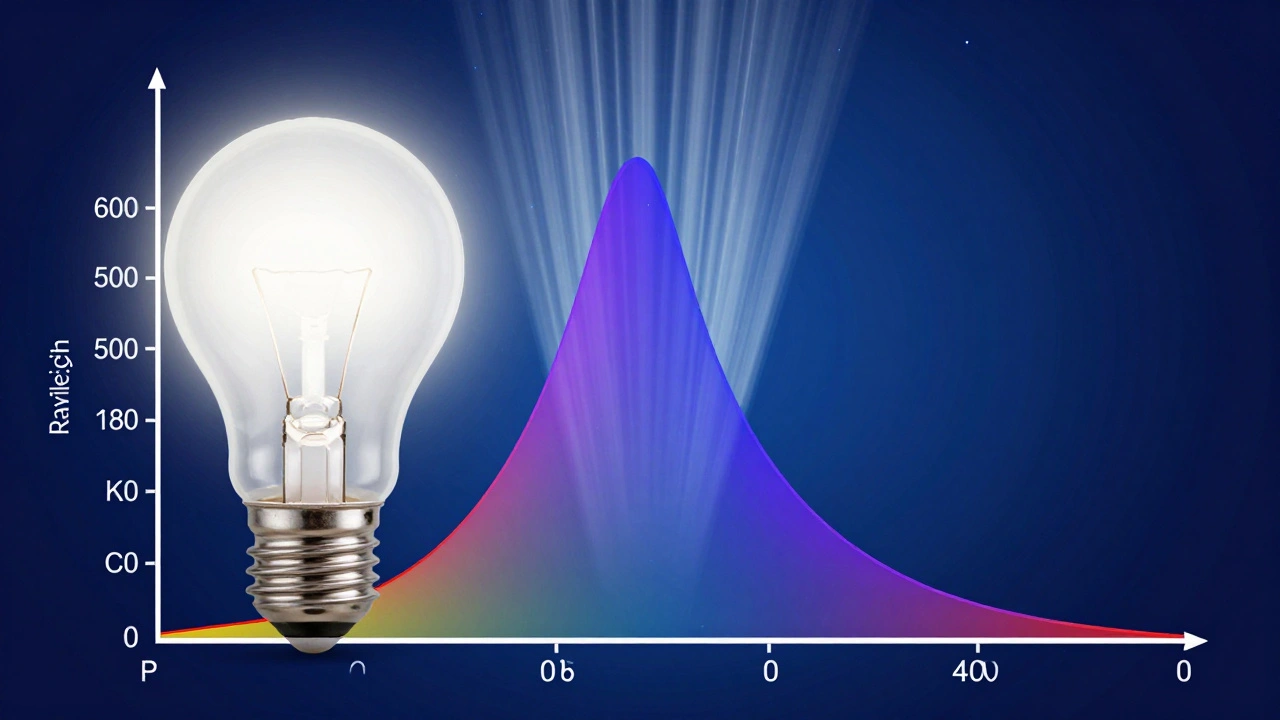
Spectral Power Distribution, often abbreviated as SPD, is a graph or table that shows the intensity of light at each wavelength across the visible spectrum. Think of it as the "fingerprint" of a light source. While humans perceive color broadly-seeing red, green, or blue-an SPD reveals exactly how much energy is emitted at every nanometer from roughly 380 nm to 780 nm.
In the context of light pollution, SPD matters because different wavelengths scatter differently in the atmosphere. Shorter wavelengths, particularly blue and violet light (around 400-500 nm), scatter more easily than longer wavelengths like red or yellow. This phenomenon, known as Rayleigh scattering, is what makes the sky blue during the day. At night, excessive blue-rich artificial light scatters throughout the atmosphere, creating a dome of glare that washes out faint celestial objects.
Unlike older incandescent or halogen bulbs, which produce a continuous spectrum similar to sunlight, most white LEDs generate light through a specific process. They use a blue LED chip coated with a phosphor layer. The chip emits intense blue light, and the phosphor converts some of that blue light into yellow-green light. The combination appears white to our eyes, but the SPD shows a distinct spike in the blue region. This blue spike is the primary driver of increased skyglow in areas transitioning to LED infrastructure.
The Evolution of Street Lighting and Its Sky Impact
To understand the current challenge, we need to look back at what replaced. High-Pressure Sodium (HPS) lamps were the standard for decades. Their SPD is dominated by two strong peaks in the yellow-orange range (around 589 nm). Because they emit very little blue light, HPS lights cause less atmospheric scattering. If you lived under an HPS streetlight, the sky above might still be relatively dark, allowing for decent stargazing.
Low-Pressure Sodium (LPS) lamps were even better for dark skies, emitting almost entirely monochromatic orange light at 589 nm. However, their poor color rendering made them unpopular for general use. When cities began upgrading to LEDs in the 2010s and 2020s, the focus was on lumens per watt and cost savings. Many early LED installations used "cool white" bulbs with Correlated Color Temperatures (CCT) of 4000K to 6500K. These bulbs have significant energy output in the blue spectrum, dramatically increasing skyglow compared to their predecessors.
| Light Source | Dominant Wavelengths | Blue Content | Skyglow Potential | Color Rendering Index (CRI) |
|---|---|---|---|---|
| High-Pressure Sodium (HPS) | Yellow-Orange (~589 nm) | Very Low | Low | Poor (~20-25) |
| Cool White LED (5000K+) | Blue Spike + Broad Yellow | High | Very High | Good (70-90) |
| Warm White LED (2700K-3000K) | Broad Yellow-Red | Moderate/Low | Moderate | Good (80-90) |
| Amber LED | Yellow-Orange | Negligible | Very Low | Fair (50-60) |
Why Blue Light Matters for Astronomers and Wildlife
The issue with blue-rich SPD goes beyond just making the sky brighter. It affects human health and ecosystems. Our circadian rhythms are regulated by specialized cells in the eye called intrinsically photosensitive retinal ganglion cells (ipRGCs). These cells are highly sensitive to blue light around 480 nm. Exposure to bright blue light at night suppresses melatonin production, disrupting sleep patterns for residents living near poorly shielded LED streets.
For wildlife, the consequences are equally severe. Nocturnal animals rely on darkness for hunting, mating, and migration. Artificial light with a high blue content can disorient sea turtle hatchlings, interfere with bird migration patterns, and disrupt the feeding habits of bats and insects. Insects, in particular, are drawn to UV and blue wavelengths, leading to mass mortality around streetlights, which impacts the food chain.
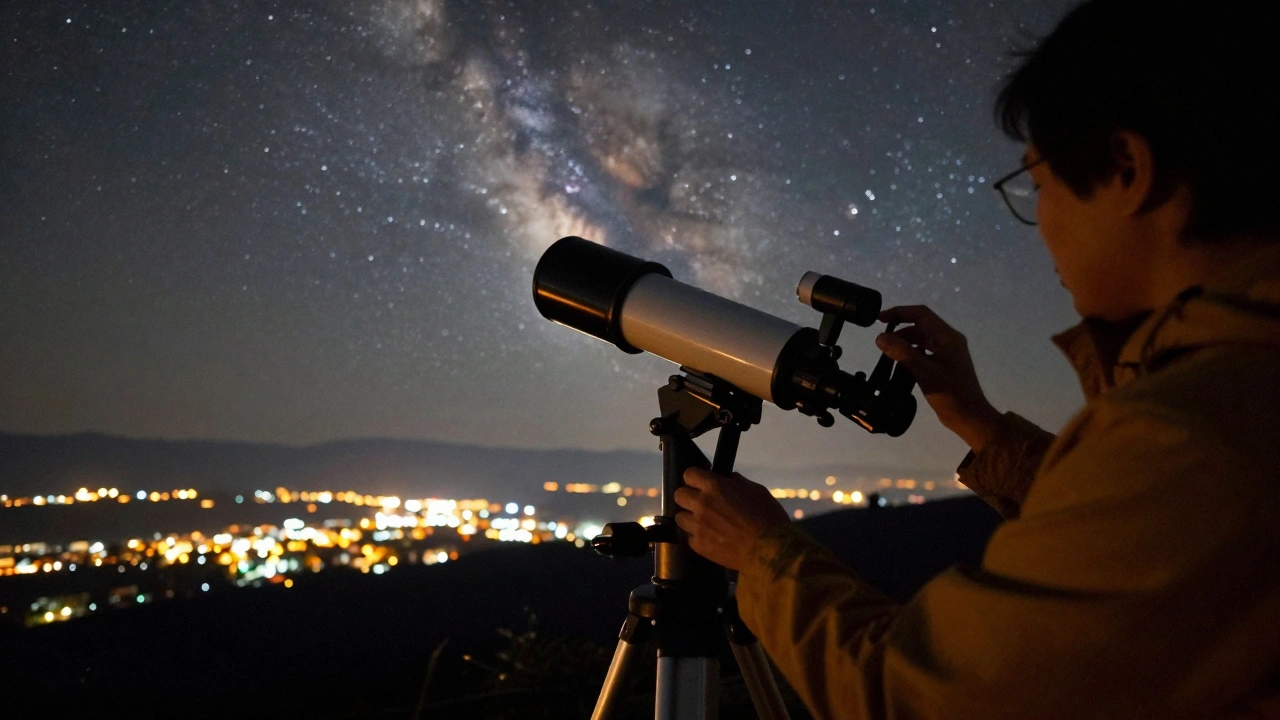
For amateur and professional astronomers, the blue spike in LED SPD creates a uniform background glow that reduces contrast. Faint galaxies and nebulae become invisible against the brightened sky. Even if the total luminous flux (brightness) is reduced, the presence of short-wavelength light ensures that the sky remains polluted over larger distances due to scattering.
Mitigating the Impact: Filters and Shielding
If you’re an astronomer dealing with light pollution, you can’t simply turn off the city grid. However, there are technological solutions to filter out the worst offenders. Optical filters are designed to block specific wavelengths while allowing others to pass. In the context of street lighting, this means blocking the blue spike of the LED SPD.
Light pollution filters come in various forms. For astrophotography, narrowband filters like Hydrogen-Alpha (H-alpha) or Oxygen-III (OIII) isolate the specific emission lines of nebulae, completely blocking the broad-spectrum glow of streetlights. For visual observing, broadband "light pollution reduction" (LPR) filters attenuate the common wavelengths of mercury, sodium, and LED emissions while passing enough light for the human eye to function.
However, filtering at the observer’s end doesn’t solve the ecological or health issues. The real solution lies in modifying the light source itself. This involves two main strategies: selecting LEDs with warmer color temperatures and using physical shielding.
First, choosing LEDs with a CCT of 3000K or lower significantly reduces the blue energy in the SPD. A 3000K LED still provides good visibility but lacks the intense blue spike of its 5000K counterpart. Second, full cutoff fixtures ensure that light is directed only where needed-down onto the road-and not upwards or sideways into the sky. Shielding prevents direct glare and reduces the amount of light available to scatter in the atmosphere.
Best Practices for Dark-Sky Friendly Lighting
Creating a dark-sky friendly environment requires a holistic approach. It’s not enough to just buy "dark sky compliant" bulbs; the entire installation must be considered. Here are the key principles derived from organizations like the International Dark-Sky Association (IDA):
- Use Warm White LEDs: Stick to 3000K or lower. Avoid anything labeled "daylight" or "cool white" for outdoor residential and street applications.
- Full Cutoff Fixtures: Ensure all outdoor lighting fixtures are fully shielded so that no light is emitted above the horizontal plane.
- Dimming and Controls: Use motion sensors and dimmers to reduce light levels when activity is low. Dimming LEDs also extends their lifespan and saves energy.
- Avoid Over-Illumination: Follow lighting standards such as those from the Illuminating Engineering Society (IES) to ensure you aren’t using more light than necessary for safety.
- Consider Amber LEDs: In critical dark sky preserves or astronomical observatories, amber LEDs (which mimic LPS spectra) may be required to minimize blue light impact entirely.
Municipalities are increasingly adopting these guidelines. Cities like Flagstaff, Arizona, and Portland, Oregon, have strict ordinances protecting night skies. By mandating warm-white LEDs and proper shielding, they’ve managed to maintain their status as dark sky communities despite urban growth.
The Future of Smart Lighting and Dark Skies
As we move further into the 2020s, smart lighting systems are becoming more common. These networks allow for remote control of individual streetlights, enabling dynamic dimming based on real-time traffic and pedestrian data. This technology offers a promising path forward. Instead of running at full power all night, lights can dim to 30% capacity during late-night hours, drastically reducing both energy consumption and skyglow.
Furthermore, advancements in LED phosphor technology are allowing manufacturers to create "warm white" LEDs with improved color rendering indices (CRI) without relying heavily on blue chips. Some newer designs use purple or UV-excited phosphors, which can produce a smoother SPD with less aggressive blue spikes. As these technologies become more cost-effective, we may see a shift toward lighting that is both efficient and environmentally responsible.
Ultimately, understanding Spectral Power Distribution empowers us to make informed choices. Whether you’re a homeowner choosing porch lights, a city planner designing a new neighborhood, or an astronomer trying to capture the Milky Way, knowing what’s inside the light helps protect what’s outside.
What is the best color temperature for LED streetlights to minimize light pollution?
The best color temperature for minimizing light pollution is 3000K or lower. Lights rated at 3000K produce a warm white light with significantly less blue energy compared to 4000K or 5000K bulbs. This reduces atmospheric scattering and has a lesser impact on human circadian rhythms and wildlife.
How does Spectral Power Distribution affect astrophotography?
SPD determines which wavelengths are present in the ambient light. LEDs with a strong blue spike increase skyglow, raising the background noise in images and washing out faint details. Using narrowband filters that block these specific wavelengths can help recover contrast, but preventing the blue light from entering the atmosphere via warm LEDs and shielding is the most effective solution.
Are amber LEDs better than warm white LEDs for dark skies?
Yes, amber LEDs are generally better for dark skies because they emit almost no blue light. Their SPD is concentrated in the yellow-orange range, similar to Low-Pressure Sodium lamps. However, they have poorer color rendering, making it harder to distinguish colors, which is why they are typically reserved for sensitive areas like observatories or nature reserves rather than general urban streets.
Can I filter out blue light from existing LED streetlights?
You cannot easily filter streetlights from a distance. Filters work best when placed directly over the light source or in front of an optical instrument like a telescope. For personal protection, wearing blue-blocking glasses in the evening can help reduce circadian disruption, but it does not solve the broader issue of skyglow or wildlife impact.
What is the difference between CCT and SPD?
Correlated Color Temperature (CCT) is a single number (in Kelvins) that describes the overall appearance of the light color (warm vs. cool). Spectral Power Distribution (SPD) is the detailed graph showing the intensity of every individual wavelength. Two lights can have the same CCT but very different SPDs, meaning one might have a hidden blue spike that causes more light pollution than the other.