17 Aug 2026
- 0 Comments
Buying a new telescope can cost hundreds or even thousands of dollars. But the used market is full of high-quality optics that are half their original price. The catch? You can’t test-drive them like a car. One bad purchase means months of frustration with foggy lenses or wobbly mounts. This guide walks you through exactly how to inspect, negotiate, and verify a used telescope so you get professional-grade gear without paying retail.
Key Takeaways
- Optical quality matters more than brand name: A well-maintained older scope often outperforms a cheap new one.
- Check for collimation issues: Misaligned mirrors or lenses ruin image sharpness and are hard to fix on some models.
- Mount stability is non-negotiable: Even great optics fail if the mount shakes when you touch it.
- Ask for recent collimation certificates: Sellers who provide these are usually more reliable.
- Budget 10-15% extra for shipping and insurance: Fragile glass doesn’t travel well.
Why Buy Used Telescopes?
The astronomy hobby has exploded in popularity, but prices for new equipment haven’t kept up with inflation. In 2026, a basic 8-inch reflector from major brands starts around $450. On the used market, you can find the same model for $200-$300 if it’s in good condition. More importantly, used scopes often come with accessories-extra eyepieces, red-dot finderscopes, or even motorized mounts-that would cost another $100+ if bought separately.
There’s also a sustainability angle. Reusing equipment reduces waste and keeps quality optics in circulation. Many veteran astronomers sell their gear not because it’s broken, but because they’ve upgraded to larger apertures. This means the “old” scope is still perfectly functional for beginners or intermediate users.
Identifying High-Quality Brands and Models
Not all used telescopes are created equal. Some brands hold their value and reliability better than others. Here’s what to look for:
- Celestron is a leading manufacturer known for durable refractors and SCTs. Their NexStar line is popular for its GoTo features, but check for battery compartment corrosion.
- Meade is a historic brand with strong optical heritage. Look for their LX series; avoid units with cracked plastic housings.
- Sky-Watcher is a modern favorite offering excellent value. Their EQ6-R Pro mount is highly sought after for astrophotography.
- Orion is known for robust build quality. Their GTi series is reliable, but check for loose screws in the tripod legs.
Avoid no-name brands unless the seller provides proof of professional servicing. Generic “Amazon” telescopes often have poor coatings and flimsy mounts that degrade quickly.
Step-by-Step Inspection Checklist
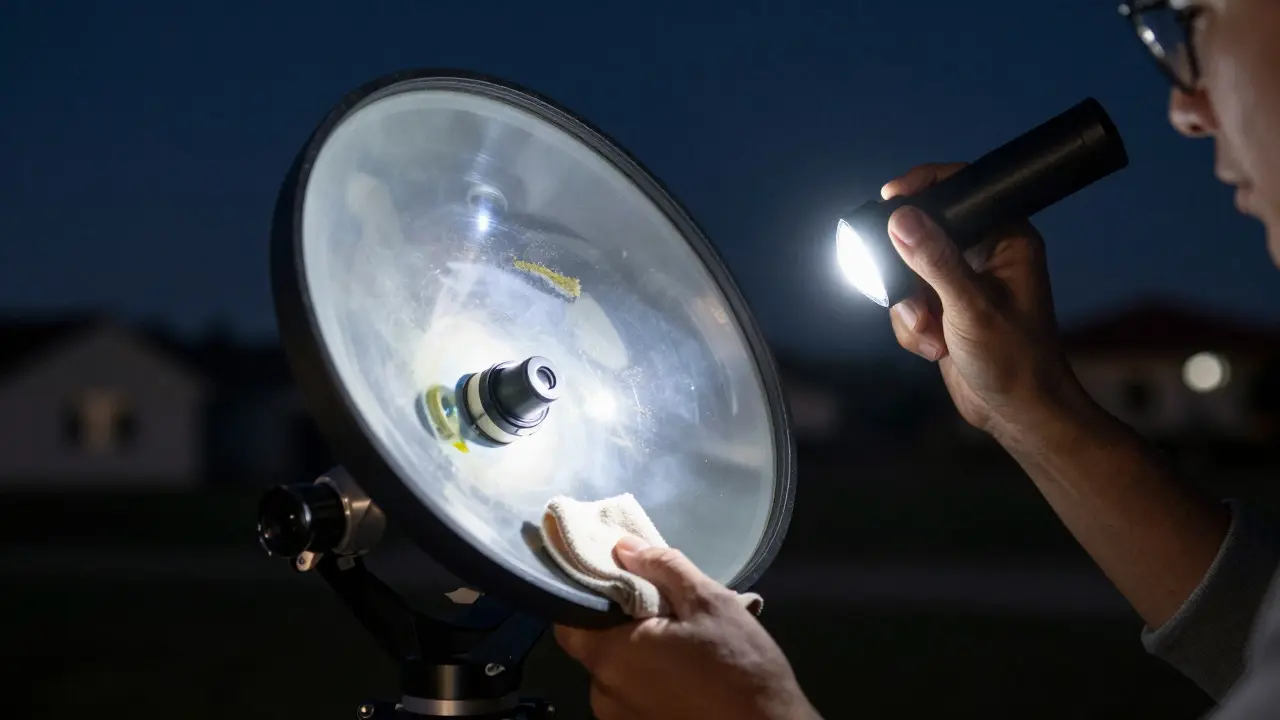
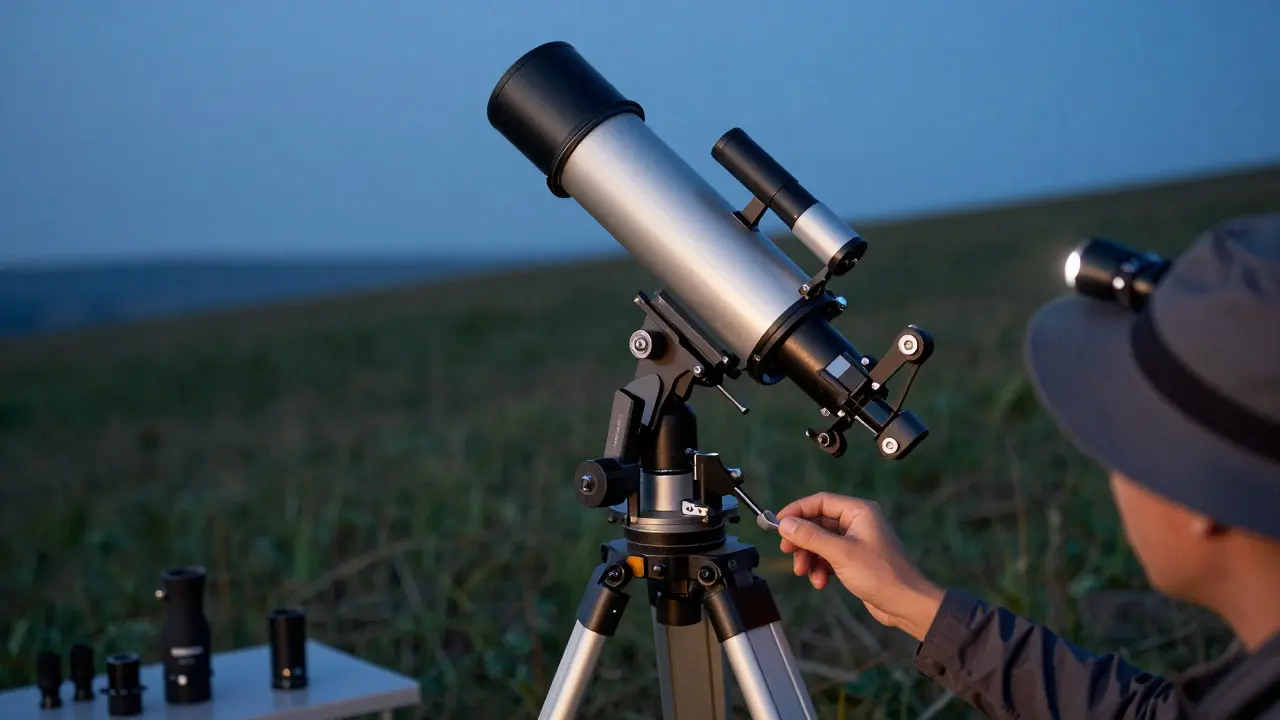
When you find a listing, don’t rush. Use this checklist to evaluate the scope before committing. If buying locally, bring a flashlight and a clean cloth. If buying online, request multiple photos and a video call.
- Inspect the Optics Tube Assembly (OTA): Check for cracks, dents, or water stains inside the tube. For refractors, look at the lens surfaces under bright light. Any haze, scratches, or fungus growth indicates poor storage. Fungus is especially dangerous-it eats into the coating and is nearly impossible to remove.
- Check Collimation Status: Ask the seller if the scope was recently collimated. For reflectors, misalignment causes blurry stars. You can test this by looking at a bright star through the lowest-power eyepiece. If the star looks distorted or has rings around it, the mirror needs adjustment. Some sellers include a laser collimator; ask if it’s included.
- Test the Mount Stability: Gently shake the tripod. If it wobbles excessively, the legs may be loose or the center column damaged. For equatorial mounts, check the counterweight shaft for rust. Rust can seize the mechanism, making tracking impossible.
- Examine the Finder Scope: It should align properly with the main scope. If it’s missing or broken, budget $30-$50 for a replacement. A misaligned finder makes finding objects frustrating.
- Verify Accessories: List every eyepiece, diagonal, or filter included. Compare their condition. Cracked eyepieces are common; replace them if needed. Ensure the power source (batteries or AC adapter) works.
Negotiating Price and Avoiding Scams
Once you’ve inspected the scope, it’s time to negotiate. Start 15-20% below your target price, assuming minor flaws. For example, if the asking price is $300 and you found a small scratch on the lens, offer $240. Be polite but firm. Sellers of used gear are often hobbyists, not professionals, so they appreciate fair reasoning.
To avoid scams, use payment methods with buyer protection. PayPal Goods & Services is ideal for online purchases. Meet local sellers in public places, like a library parking lot, and inspect the scope before paying. Never pay cash without seeing the item first. If the seller seems rushed or refuses to answer questions, walk away.
Also, check the serial number against manufacturer databases if available. This confirms the scope isn’t stolen and gives you an idea of its age. Older scopes may have outdated electronics, which can be a downside for GoTo features.

Shipping and Handling Tips
If you’re buying from out of state, shipping is critical. Telescopes are fragile, especially the optics. Ask the seller to pack the OTA in its original box with plenty of bubble wrap. If the original box is gone, insist on double-boxing. Budget $50-$100 for shipping depending on size. Insure the package for its full value-uninsured shipments risk total loss.
For large Dobsonian mounts, consider hiring a moving company instead of standard shipping. They handle heavy, awkward items more carefully. Always unbox the scope immediately upon arrival and check for damage before signing off. Take photos of any issues as evidence for claims.
Maintenance After Purchase
Once your used telescope arrives, give it a thorough cleaning. Use a blower brush to remove dust from lenses and mirrors. Clean only if necessary, using lens fluid and microfiber cloths. Store the scope in a dry place, preferably with silica gel packets to prevent humidity damage. Regular collimation checks (every 3-6 months) keep images sharp. Join online forums for your specific model to learn troubleshooting tips from experienced owners.
| Brand | Strengths | Weaknesses | Avg. Used Price (8-inch) |
|---|---|---|---|
| Celestron | Durable, wide availability | Electronics can fail | $250-$350 |
| Meade | Strong optics, classic design | Plastic parts crack easily | $200-$300 |
| Sky-Watcher | Modern features, good value | Newer, less resale history | $300-$400 |
| Orion | Robust build, reliable mounts | Fewer GoTo options | $220-$320 |
Frequently Asked Questions
Is it safe to buy a used telescope online?
Yes, if you use buyer protection like PayPal and require detailed photos/videos. Always insure the shipment and check the seller’s ratings. Local pickup is safer but limits your options.
How do I know if a telescope’s optics are good?
Look for clear, uncoated surfaces without scratches or fungus. Test collimation with a star test. If stars appear round and sharp at high magnification, the optics are likely in good shape.
What accessories should I expect with a used scope?
Typically, 1-2 eyepieces, a finder scope, and sometimes a red-dot finder. Higher-end sales may include filters, diagonals, or motorized mounts. Always confirm the list before buying.
Are older telescopes worth buying?
Yes, if well-maintained. Optical quality hasn’t changed drastically in decades. However, electronics in older GoTo systems may be outdated. For visual observing, older scopes are often superior to cheap new ones.
How much should I budget for shipping a telescope?
Expect $50-$100 for standard shipping within the US. Add $20-$30 for insurance. International shipping can cost $150+. Large Dobsonians may require freight services at $200+.