27 Aug 2026
- 0 Comments
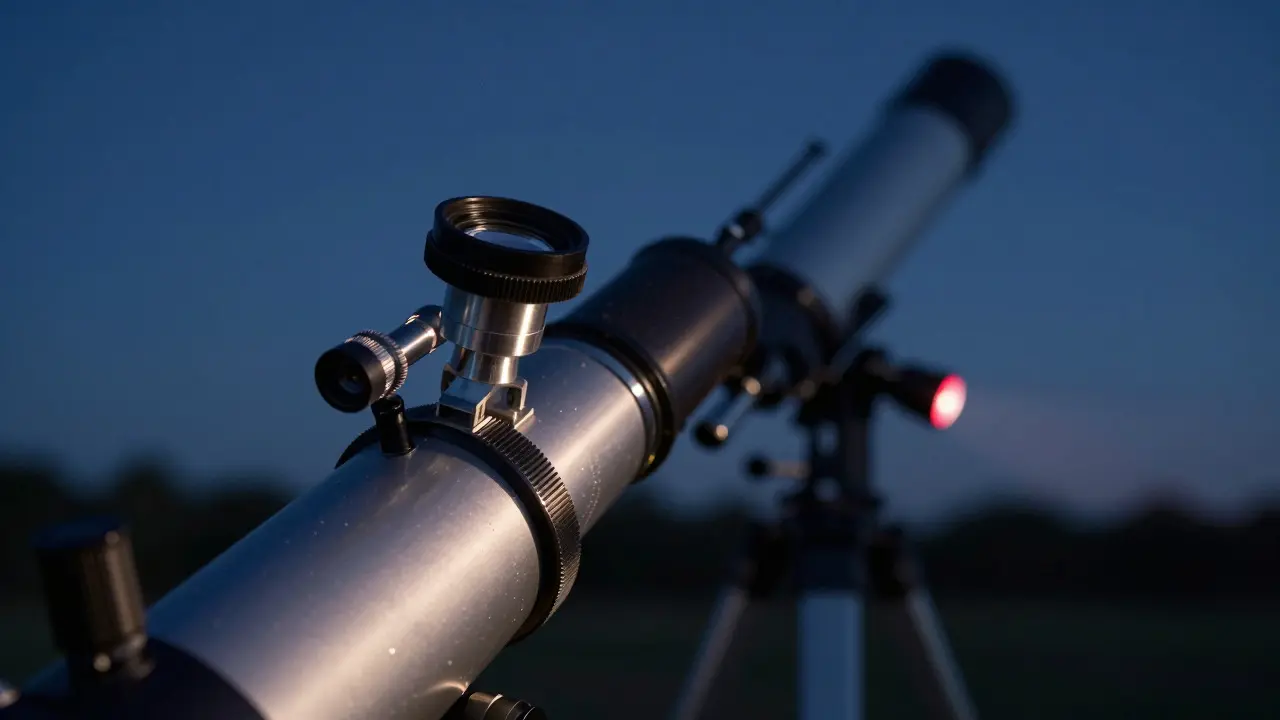
Staring at the Moon through your telescope but wishing you could see more detail in the craters? That is exactly where a Barlow lens comes in. It is a simple accessory that sits between your telescope and your eyepiece to increase the power of your setup without buying new glass. Named after Peter Barlow, an English optician who popularized the design in the early 1800s, this device essentially acts as a negative lens that extends the focal length of your telescope.
You might think doubling the magnification means doubling the view, but it is not quite that simple. While a 2x Barlow turns a 10mm eyepiece into a 20mm equivalent, it also cuts down on brightness and field of view. Understanding how this works helps you decide when to use one and when to leave it in the drawer. This guide breaks down the mechanics, the types, and the practical tips for getting the best results from your Barlow lens.
How a Barlow Lens Works
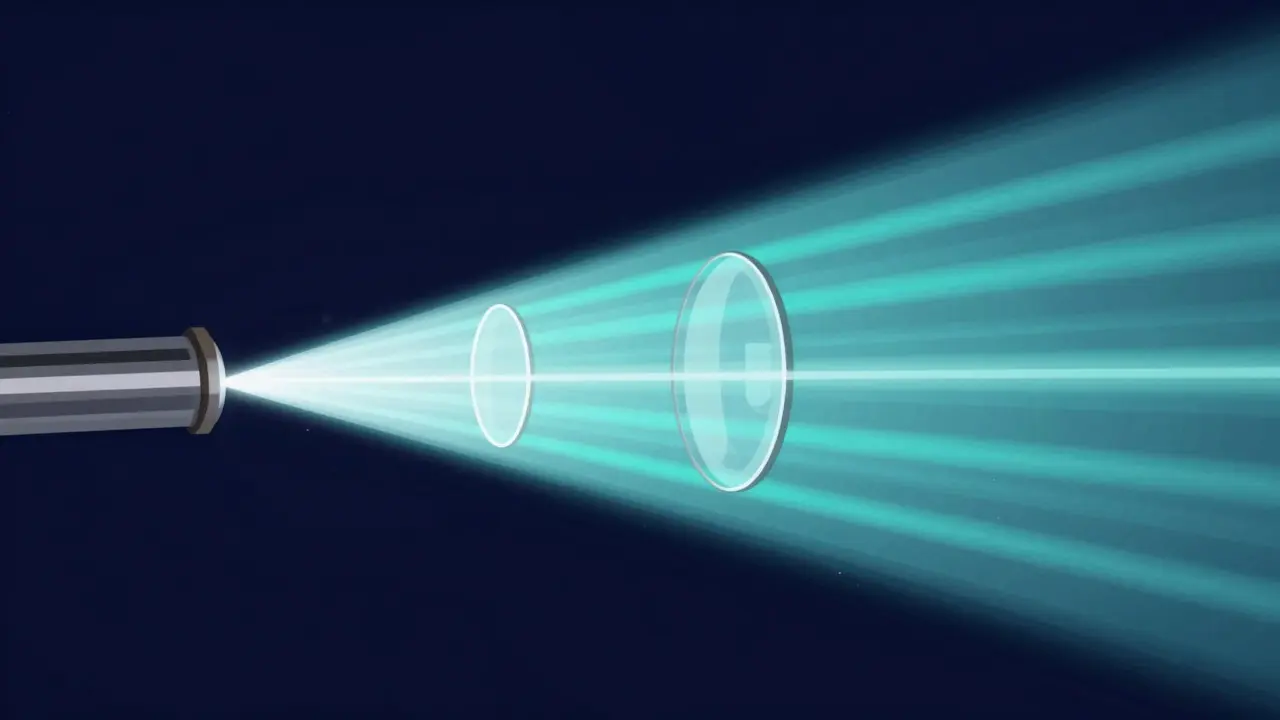
To understand why a Barlow works, you have to look at how telescopes form images. Your telescope gathers light and focuses it at a specific point called the focal plane. Your eyepiece then magnifies that focused image so your eye can see it. A Barlow lens inserts itself into this light path before the eyepiece. By using a negative lens element, it pushes the focal point further back. When the focal point moves back, the effective focal length of the entire system increases. Since magnification is calculated by dividing the telescope's focal length by the eyepiece's focal length, increasing the former automatically increases the magnification.
This process does not create new resolution. It simply enlarges the existing image. If your telescope cannot resolve fine details due to atmospheric turbulence or poor optics, a high-power Barlow will just make those blurry details bigger. Think of it like zooming in on a low-resolution photo; you get a larger image, but not necessarily a sharper one. This is why choosing the right multiplier matters as much as choosing the right eyepiece.
Types of Barlow Lenses: 2x vs. 3x
Most standard Barlows come in two main multipliers: 2x and 3x. There are also 1.5x and 4x versions, but they are less common. The choice between them depends on what you are observing and the quality of your base telescope.
- 2x Barlows: These are the workhorses. They double your magnification and generally maintain good image quality if made with decent glass. They are ideal for planetary observation and detailed lunar viewing.
- 3x Barlows: These triple your magnification. They push the limits of most amateur telescopes. You need excellent seeing conditions (stable air) and a high-quality telescope to get usable results. The image gets significantly dimmer, making deep-sky objects harder to see.
- 1.5x Barlows: Sometimes called "short" Barlows. They provide a modest boost without drastically reducing brightness. Great for wide-field views of nebulae or galaxies where you want a bit more reach than your longest focal length eyepiece offers.
Quality Matters: Cheap vs. Premium Glass
Not all Barlows are created equal. You can find basic models for under $20 and premium ones for over $100. The difference lies in the glass quality and coating. A cheap plastic or uncoated glass Barlow introduces chromatic aberration (color fringing) and reduces contrast. This is particularly noticeable around bright stars or the edges of planets. Premium Barlows use achromatic or apochromatic glass elements with multi-coating. These coatings ensure maximum light transmission and minimize color errors. If you are serious about visual astronomy, investing in a well-made 2x Barlow is worth it. It preserves the sharpness of your expensive eyepieces.
Practical Tips for Using a Barlow
Using a Barlow is straightforward, but a few technical details affect your experience. First, focus carefully. Adding a Barlow changes the distance at which the image comes into focus. You may need to extend your focuser tube further out than usual. Make sure your focuser has enough travel. Second, watch out for vignetting. Some Barlows have a narrow internal diameter. If you use a very wide-angle eyepiece with a large exit pupil, you might see blacked-out corners. This is especially true with 3x Barlows and fast focal ratio telescopes.
Third, consider the weight. A heavy Barlow adds stress to your focuser. If you are using a small refractor, a lightweight aluminum or magnesium body is preferable to avoid sagging. Finally, keep it clean. Dust on the Barlow surface scatters light and creates haze. Use a blower or lens pen to keep the front and rear elements spotless.
When to Use (and When Not To)
A Barlow is not a magic wand. Here is a quick decision guide:
| Scenario | Recommendation | Reason |
|---|---|---|
| Viewing Jupiter/Saturn | Use 2x or 3x | High magnification reveals cloud bands and rings clearly. |
| Viewing the Moon | Use 2x | Doubles detail in craters without losing too much brightness. |
| Deep Sky Objects (Nebulae/Galaxies) | Avoid or use 1.5x | Dim objects lose visibility when magnified too much. |
| Poor Seeing Conditions | Avoid | Atmospheric turbulence ruins high-magnification views. |
| Birdwatching/Territorial Scope | Use 2x | Helps fill the field of view for distant birds. |
Common Mistakes to Avoid
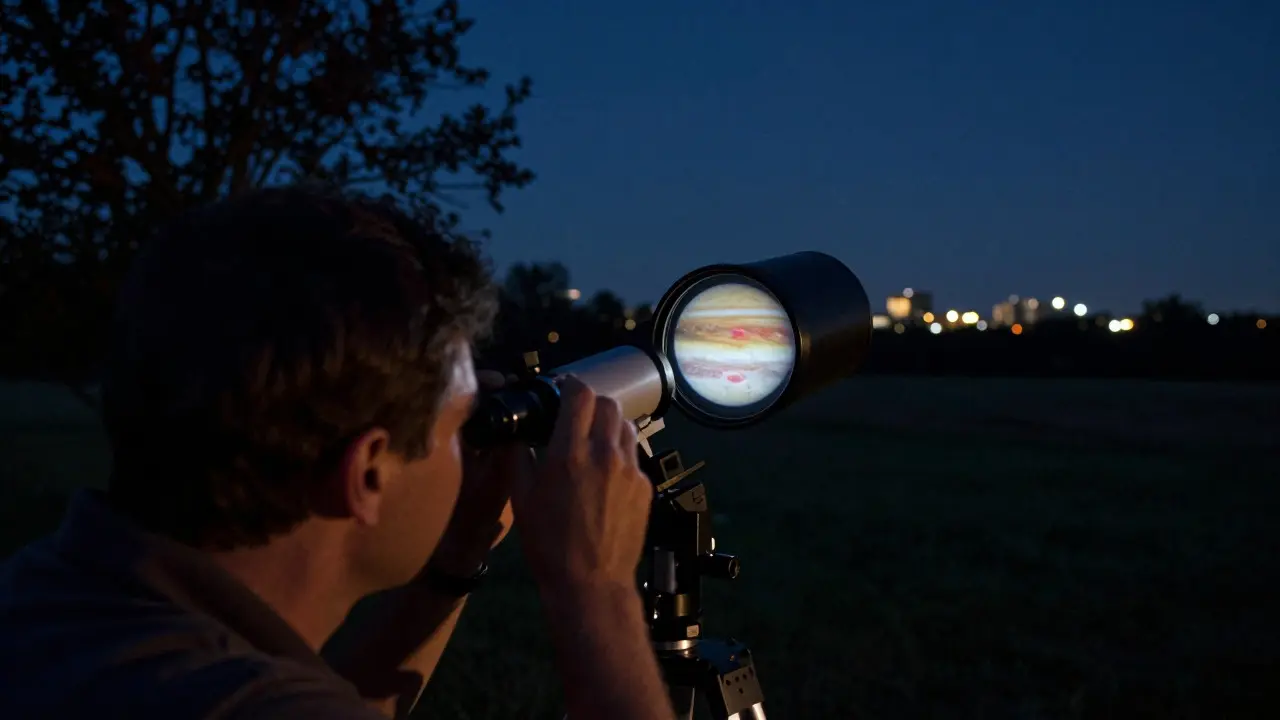
Many beginners make the same errors when introducing a Barlow to their setup. The biggest mistake is assuming higher magnification is always better. Pushing your telescope to its theoretical limit often results in a dim, shaky, and distorted image. Stick to the rule of thumb: do not exceed twice the aperture of your telescope in millimeters for optimal visual comfort. For example, a 6-inch (150mm) telescope performs best up to about 300x magnification. If your base eyepiece gives you 100x, a 2x Barlow takes you to 200x, which is safe. A 3x would take you to 300x, which is the absolute limit and only usable on clear nights.
Another error is using a Barlow with a binoviewer or camera adapter without checking compatibility. Ensure the thread sizes match. Most standard Barlows use a 1.25-inch barrel, but some premium models are 2-inch. If you are using a 2-inch diagonal, you need a 2-inch Barlow or an adapter.
Maintenance and Storage
Care for your Barlow lens is minimal but important. Store it in a dry place to prevent fogging inside the tube. If moisture accumulates, let it air dry naturally; never use hot air, which can damage the cement holding the lenses together. When transporting your gear, keep the Barlow in its original case or a padded pouch. The front lens is exposed and vulnerable to scratches. A scratch on a Barlow is permanent and will degrade every view you take through it.
Can I use a Barlow lens with any telescope?
Yes, provided the physical dimensions fit. Standard 1.25-inch Barlows fit most refractors and small reflectors. Large Dobsonians or SCTs often require 2-inch Barlows or adapters. Check your focuser size before purchasing.
Does a Barlow reduce the field of view?
Yes. Increasing magnification always decreases the apparent field of view. A 2x Barlow halves the width and height of the visible sky area compared to using the eyepiece alone.
What is the best magnification for a Barlow?
It depends on the object. Planets tolerate higher magnification (up to 2x the aperture in mm). Deep-sky objects prefer lower magnification. Start with a 2x Barlow and adjust based on clarity.
Do Barlows affect astrophotography?
Yes, they change the focal length, which alters the scale of the image on the sensor. Photographers use Barlows to tighten the crop on planetary imaging, but they must account for the reduced light gathering per pixel.
Is a 3x Barlow worth it?
Only for experienced observers with large-aperture telescopes and stable seeing conditions. For most users, a high-quality 2x Barlow provides the best balance of detail and usability.