17 Aug 2026
- 0 Comments
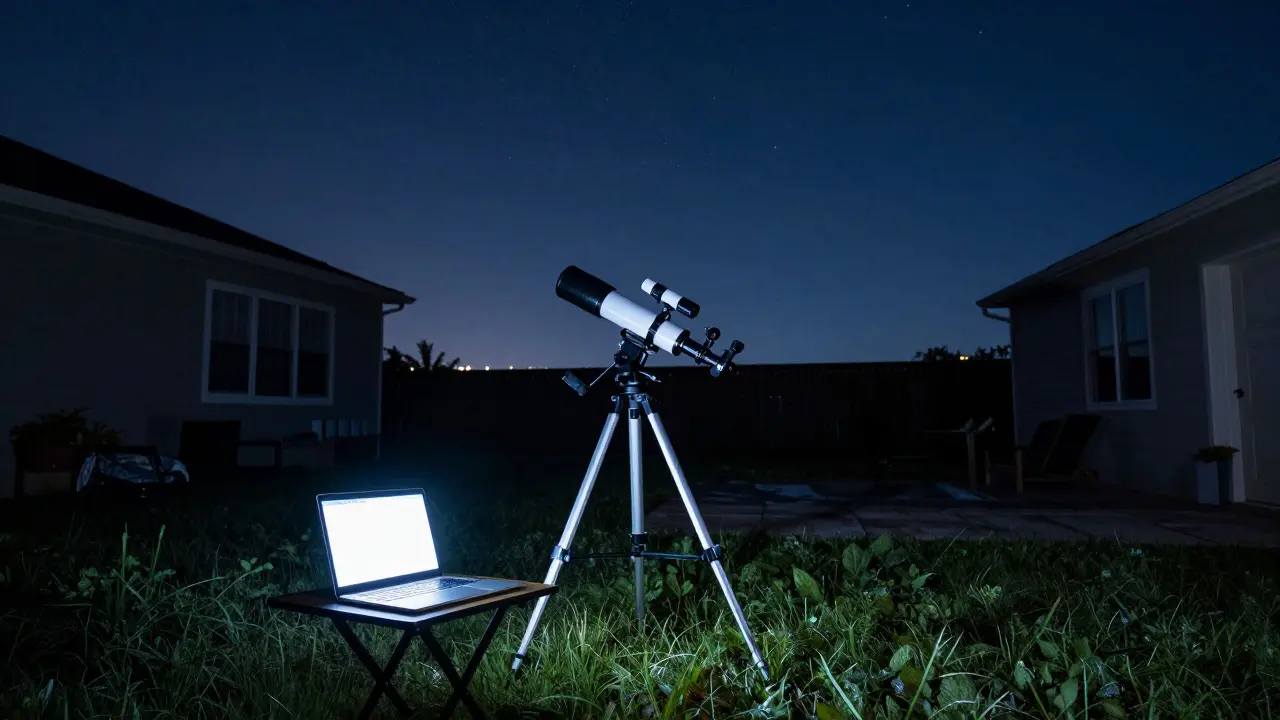
Ever stared at a stack of raw telescope images and wondered what you’re actually supposed to do with them? You’re not alone. For decades, professional astronomers handled the heavy lifting of data reduction-the process of cleaning up noisy, distorted images to reveal faint celestial objects. But today, that work is increasingly shared with volunteers like you through collaborative image processing is a distributed computing effort where amateur astronomers and scientists combine resources to analyze large datasets. This shift isn’t just about saving time; it’s about unlocking discoveries that single observers could never make alone. When you join a community reduction project, you aren’t just stacking photos. You’re participating in a pipeline that turns raw pixels into scientific evidence. Whether you use a modest backyard setup or a high-end research-grade rig, your contribution matters. The goal here is simple: show you how to get involved, what tools you need, and how your local efforts feed into global scientific breakthroughs.
What Exactly Is Collaborative Image Processing?
To understand why this matters, we need to look at the problem it solves. Astronomical imaging is messy. Atmospheric turbulence, thermal noise, and sensor defects all degrade the quality of a single frame. In traditional workflows, an astronomer might spend hours on a single night’s data, manually correcting for these errors. With the advent of digital sensors and internet connectivity, we can now distribute this labor across thousands of users.
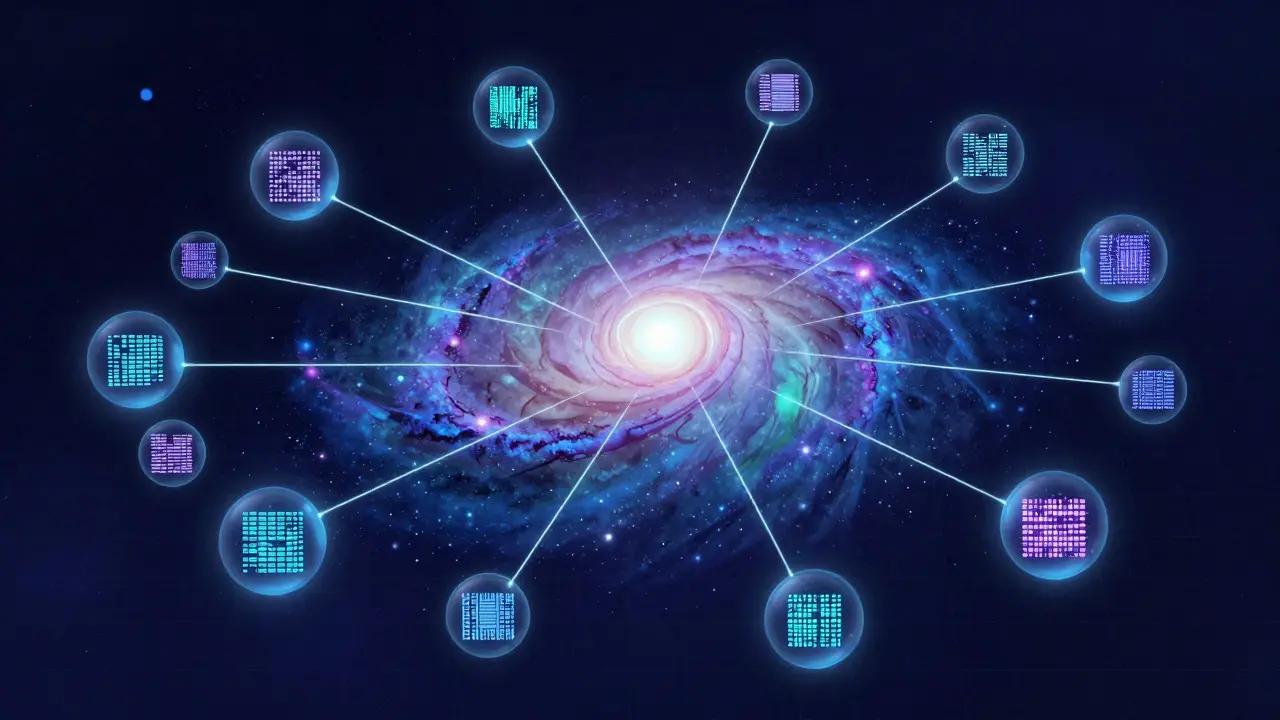
Community reduction projects are organized groups of volunteers who pool their observational data to create higher-quality composite images. These projects often focus on specific targets, such as variable stars, supernovae, or deep-sky objects. By combining data from different locations and times, the group can average out random noise and correct for systematic errors more effectively than any individual could.
The core philosophy is "many eyes are better than one." When 50 people observe the same galaxy over a month, the resulting dataset is robust enough to detect subtle changes in brightness or structure that would be invisible in a single exposure. This approach mirrors the broader trend in citizen science, which engages non-professional researchers in real-world scientific problems.
Why Your Local Data Matters Globally
You might think your small telescope in Portland doesn’t compete with the Hubble Space Telescope. That’s a common misconception. While space telescopes offer incredible resolution, they have limited fields of view and scheduled observation windows. Ground-based observers fill the gaps. They provide continuous monitoring, multi-band coverage, and rapid response capabilities during transient events like gamma-ray bursts or asteroid impacts.
In collaborative frameworks, your data becomes part of a larger mosaic. For example, if a supernova explodes in a distant galaxy, a network of volunteers might capture it within hours. Each observer contributes a few frames. When combined, these frames allow scientists to construct a light curve-a graph showing how the object’s brightness changes over time. This light curve reveals critical information about the type of explosion and the physics of the star that died.
Consider the case of the Zwicky Transient Facility, which scans the sky nightly to detect new or changing objects. While ZTF is a robotic observatory, its data is often cross-referenced with follow-up observations from volunteer networks. This synergy ensures that no signal is lost in the noise. Your role is to be that reliable follow-up eye.
Tools and Platforms for Getting Started
Getting started doesn’t require expensive software. Most community projects rely on open-source tools that run on standard laptops. The most popular platform for data submission and coordination is AstroPixelProcessor, which automates the alignment and stacking of astronomical images. However, many groups also use DeepSkyStacker for simpler tasks or IRIS for advanced calibration.
Here’s a basic workflow for a typical participant:
- Capture: Take multiple exposures of the target using your camera and mount. Aim for at least 10-20 subs to ensure statistical significance.
- Calibrate: Apply dark frames, bias frames, and flat frames to remove sensor-specific artifacts. Many groups share pre-made calibration libraries to save time.
- Align: Use software to register all your subs to a reference image. This step corrects for slight misalignments caused by tracking errors.
- Stack: Combine the aligned subs into a single master image. Weighting algorithms often prioritize cleaner frames.
- Submit: Upload the final product or raw calibrated subs to the project’s repository via FTP or web portal.
Choosing the Right Project for You
Not all collaborative projects are created equal. Some focus on long-term monitoring, while others are short-term campaigns. Here’s a comparison of common types to help you decide where to start:
| Project Type | Focus Area | Data Requirement | Best For |
|---|---|---|---|
| Variable Star Monitoring | Brightness changes over time | High frequency, low resolution | Beginners with small scopes |
| Deep-Sky Imaging | Nebulae, galaxies, clusters | Long exposures, high dynamic range | Astro photographers |
| Transient Events | Supernovae, asteroids | Rapid response, wide field | Automated systems or quick responders |
| Solar System Objects | Planets, comets | Short exposures, video rates | Visual observers with cameras |
Common Pitfalls and How to Avoid Them
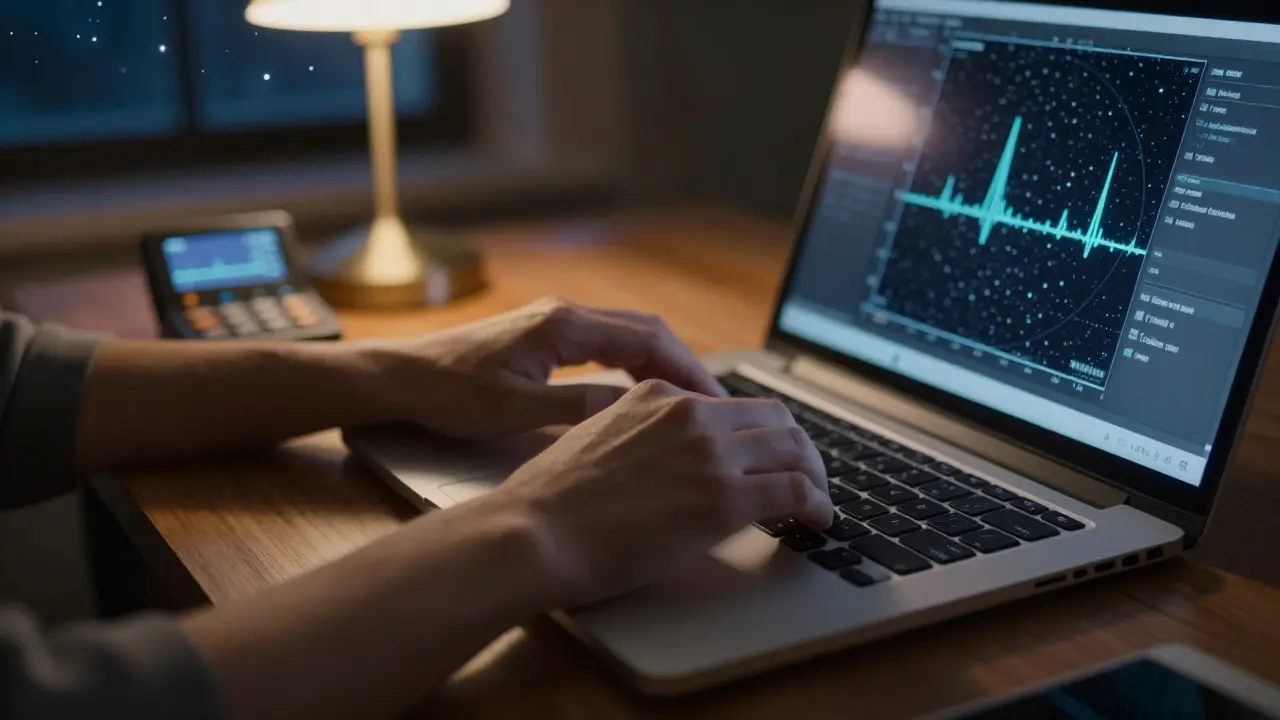
Even experienced contributors make mistakes. The most common issue is over-processing. If you apply too much sharpening or noise reduction before submitting, you alter the original data. Scientists prefer raw or lightly calibrated files so they can apply their own analysis methods. Always check the project guidelines-some want linear data, others want stretched images.
Another pitfall is inconsistent metadata. If your file names don’t include the date, time, exposure length, and filter used, the data becomes nearly useless. Adopt a strict naming convention early on. For example: `YYYYMMDD_HHMMSS_Target_Filter_ExpTime.fits`. This small habit saves hours of manual sorting later.
Finally, don’t ignore the human element. Collaborative projects thrive on communication. Join the project’s forum or chat channel. Ask questions when you’re unsure. Share your progress. This social aspect keeps motivation high and helps you learn from peers who’ve faced similar challenges.
Impact Beyond the Pixels
Participating in collaborative image processing does more than produce pretty pictures. It builds a dataset that outlives any single observer. Years from now, a researcher might re-analyze your archived submissions with new algorithms and find something you missed. This longevity is a unique feature of citizen science archives.
Moreover, you’re contributing to the democratization of astronomy. By lowering the barrier to entry, these projects inspire the next generation of scientists. Many professional astronomers started as volunteers in exactly these kinds of groups. Your participation isn’t just a hobby; it’s a form of public service to the scientific community.
So, grab your camera, pick a target, and join a project. The universe is waiting, and it’s easier to see it clearly when we look together.
Do I need a professional-grade telescope to participate?
No. Most projects accept data from entry-level equipment. What matters more is consistent technique and accurate metadata than the size of your aperture. A well-calibrated image from a 6-inch scope is often more valuable than a poorly processed one from a 14-inch.
How much time does data reduction take per session?
For beginners, expect 30 minutes to an hour per target once you have a workflow set up. Automation tools like AstroPixelProcessor can reduce this to under 15 minutes for routine captures. The initial learning curve takes longer, but efficiency improves quickly.
Can I contribute if I only have a smartphone camera?
Yes, especially for wide-field surveys or lunar/planetary imaging. While smartphones lack the dynamic range of dedicated astro cameras, they are excellent for capturing transient events or educational projects. Check specific project requirements, as some deep-sky initiatives may require cooled CCDs or CMOS sensors.
What happens to my data after I submit it?
Your data is typically stored in a central archive. Project coordinators may combine it with others’ data to create composite images or light curves. In many cases, the data is made publicly available for future research, ensuring your contribution has a lasting impact on the scientific record.
Is there a cost to joining these communities?
Most collaborative projects are free to join. The primary costs are your existing equipment and internet bandwidth for uploading files. Some specialized forums or software suites may have optional premium features, but the core functionality is almost always open-source and accessible to all.