22 Aug 2026
- 0 Comments
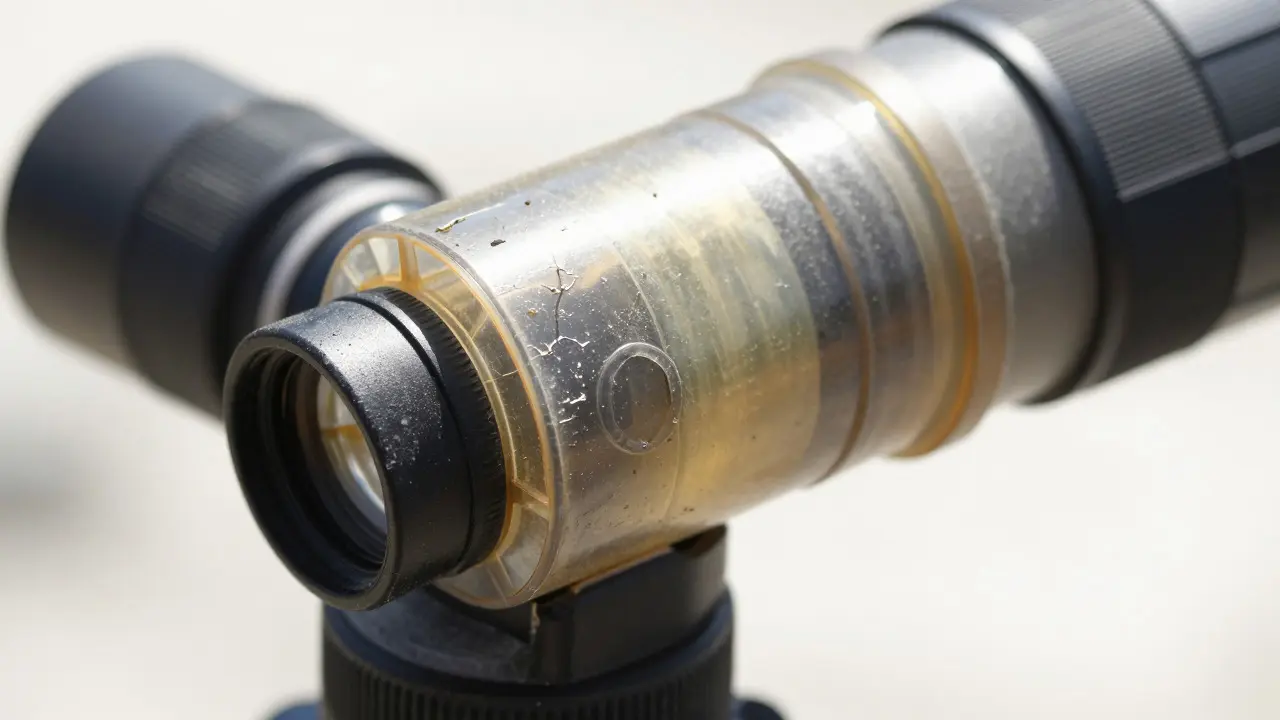
Ever notice your telescope’s eyepiece housing turning yellow or the rubber grip on your tripod cracking after a summer of backyard stargazing? It’s not just age; it’s ultraviolet (UV) radiation doing silent damage to the materials that hold your gear together. While we obsess over lens cleaning and collimation, the structural integrity of our equipment often suffers from environmental exposure we rarely track. This guide breaks down how UV degradation affects the plastics and rubbers in your optical setup and gives you practical steps to keep those components looking-and functioning-like new.
Why Sunlight Is the Enemy of Your Gear
To understand the problem, you have to look at what happens at the molecular level. UV light carries enough energy to break chemical bonds in polymers. When these bonds snap, the material becomes brittle, discolored, or loses its elasticity. For telescope owners, this isn't just an aesthetic issue; it can lead to mechanical failure if critical parts like focus knobs or mount clamps become too stiff or brittle to operate smoothly.
The impact varies by material type. Hard plastics, such as polycarbonate used in some eyepiece barrels or finder scopes, are particularly susceptible to yellowing. Soft rubbers, like the neoprene or silicone used for lens caps and dew shields, tend to dry out and crack. Even the black anodized aluminum on many mounts can suffer if the protective coating is compromised by prolonged direct sun exposure without proper shielding.
| Material Type | Common Telescope Application | Primary Failure Mode | Risk Level |
|---|---|---|---|
| Polycarbonate | Eyepiece housings, finder scope bodies | Yellowing, surface chalking | High |
| Silicone Rubber | Lens caps, dew shield seals | Stiffening, loss of seal integrity | Medium |
| Neoprene | Carrying bag linings, strap padding | Cracking, powdering | High |
| ABS Plastic | Accessory trays, small parts | Brittleness, snapping | Medium-High |
Identifying Early Signs of Damage
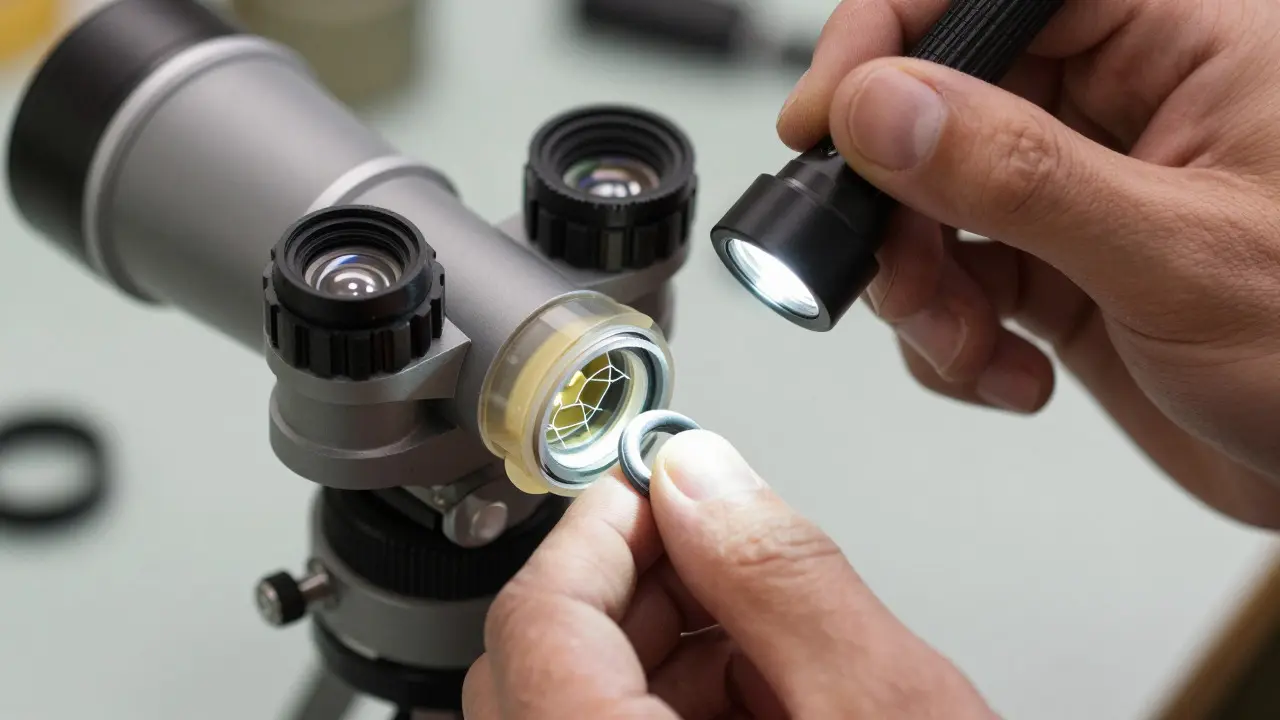
You don’t need a lab coat to spot trouble. Regular inspection during your monthly maintenance routine can catch issues before they become costly repairs. Start with the exterior surfaces. If the clear plastic window on your finder scope looks cloudy or has a hazy film that wipes off poorly, that’s early-stage UV oxidation. Check the rubber O-rings on your focuser. If they feel hard to the touch or leave a white residue when squeezed, they’re drying out.
Paid attention to the color changes. Black plastics often fade to a grayish hue, while transparent plastics turn amber. This discoloration indicates that the stabilizers added during manufacturing are depleting. Once those stabilizers are gone, the degradation accelerates exponentially. A simple flashlight test helps here: shine a bright light through a clear plastic component. If you see internal crazing or micro-cracks, the structural integrity is already compromised.
Practical Sun Protection Strategies
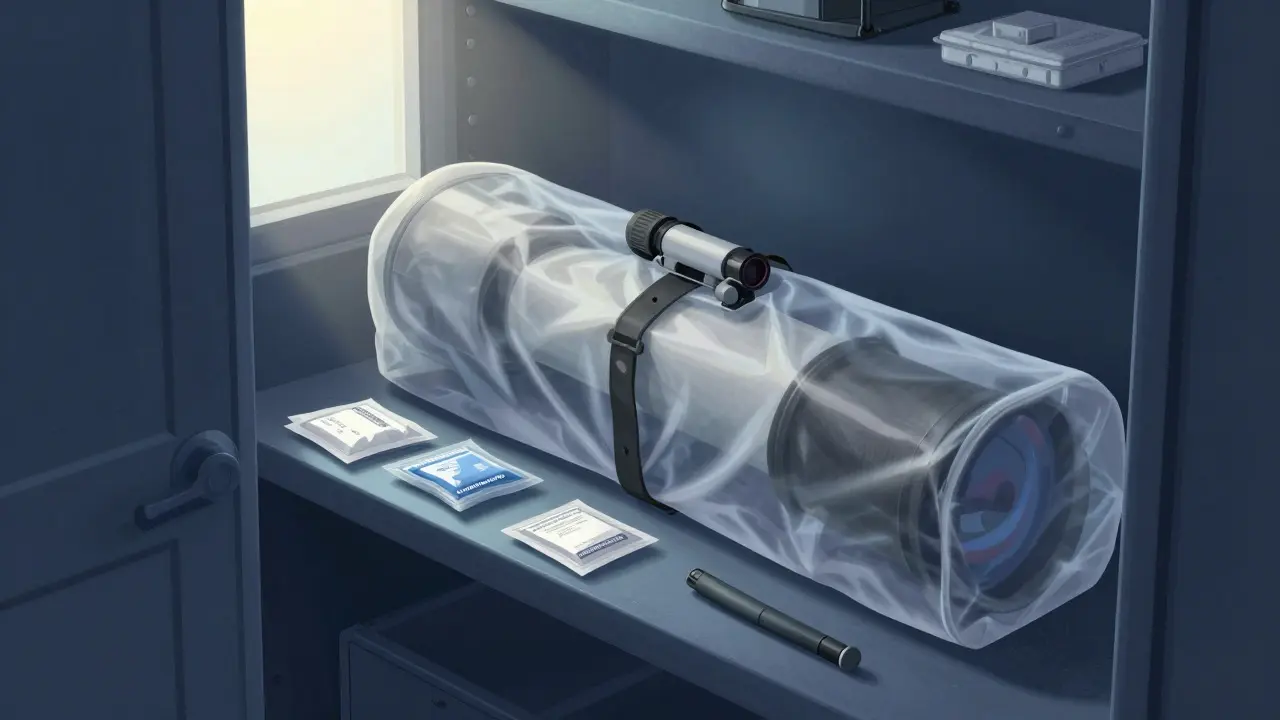
Prevention is far cheaper than replacement. The most effective strategy is simply limiting exposure. Store your telescope indoors when not in use. If you must store it outdoors, use a dedicated cover designed for astronomical equipment. Generic tarps can trap heat and moisture, creating a greenhouse effect that actually speeds up degradation. Look for covers made from breathable, UV-stabilized fabrics.
If you live in a sunny climate like Southern California or Arizona, consider applying a UV-inhibiting spray to exposed plastic parts. Products designed for automotive dashboards work well here because they contain UV absorbers similar to those used in industrial coatings. Apply a thin, even layer to clean, dry surfaces. Avoid getting any product on optical glass or metal adjustment screws, as residues can interfere with movement or clarity.
- Clean all plastic and rubber parts with mild soap and water to remove dust and oils.
- Apply a UV-protectant spray specifically formulated for plastics and rubbers.
- Allow the product to cure completely according to manufacturer instructions.
- Store the equipment in a cool, dark place until the next observation session.
Maintaining Rubber Components
Rubber is unique because it needs to stay flexible. Unlike hard plastics, which fail by becoming brittle, rubber fails by losing its elasticity. To combat this, keep rubber parts away from ozone sources, such as electric motors or static electricity generators, which can also cause cracking. Silicone grease is your best friend here. Applying a tiny amount of high-quality silicone lubricant to O-rings and seals keeps them supple and prevents them from sticking to their housing.
Never use petroleum-based products like Vaseline or WD-40 on rubber. These substances react with the polymer chains, causing rapid swelling and eventual disintegration. Stick to pure silicone or specialized rubber conditioners found in auto supply stores. If a rubber cap has already cracked, replace it immediately. A cracked cap lets dust and moisture reach your lenses, leading to more serious problems down the line.
Long-Term Storage Best Practices
When you’re done with the season or moving into winter storage, take extra precautions. Disassemble removable parts where possible. Clean every component thoroughly. Pack delicate plastic parts in acid-free tissue paper to prevent pressure marks. Use silica gel packets inside your storage case to control humidity, as condensation combined with UV history can accelerate mold growth on organic materials like leather straps or wooden cases.
Label your storage containers with the date. This reminds you to rotate your gear periodically. Even in storage, slow degradation continues. By rotating your equipment every six months, you ensure that no single set of parts sits idle for years, reducing the risk of finding seized mechanisms or hardened seals when you finally unpack them.
Frequently Asked Questions
Can I use car wax on my telescope's plastic parts?
Generally, no. Car waxes are designed for painted metal surfaces and may contain abrasives or solvents that harm soft plastics. Instead, use a dedicated plastic protectant or UV spray. If you must use a generic product, test it on a hidden area first to ensure it doesn’t cloud the surface.
How often should I reapply UV protection to my telescope?
Reapplication frequency depends on usage. For frequent outdoor users in high-sun areas, reapply every 3 to 6 months. For seasonal users, once a year before the start of the observing season is sufficient. Always check the specific product label for recommended intervals.
Is yellowing in plastic eyepieces reversible?
Usually, no. Yellowing is a chemical change in the polymer structure. While cleaning can remove surface dirt, it won’t reverse deep oxidation. Prevention is key. If the yellowing is severe and affects light transmission, replacing the component is often the better option.
Do UV filters help protect my telescope from sun damage?
UV filters primarily protect your eyes and sensors during solar viewing. They do little to stop ambient UV light from hitting the external casing of your telescope. For protecting the body itself, physical covers and UV sprays are far more effective than optical filters.
What is the safest way to clean aged rubber seals?
Use warm water and a drop of mild dish soap. Avoid alcohol or acetone, which can strip natural oils from rubber. Gently wipe with a soft cloth. After cleaning, apply a thin layer of silicone grease to restore flexibility and prevent future drying.