Telescope Simulator - Page 4
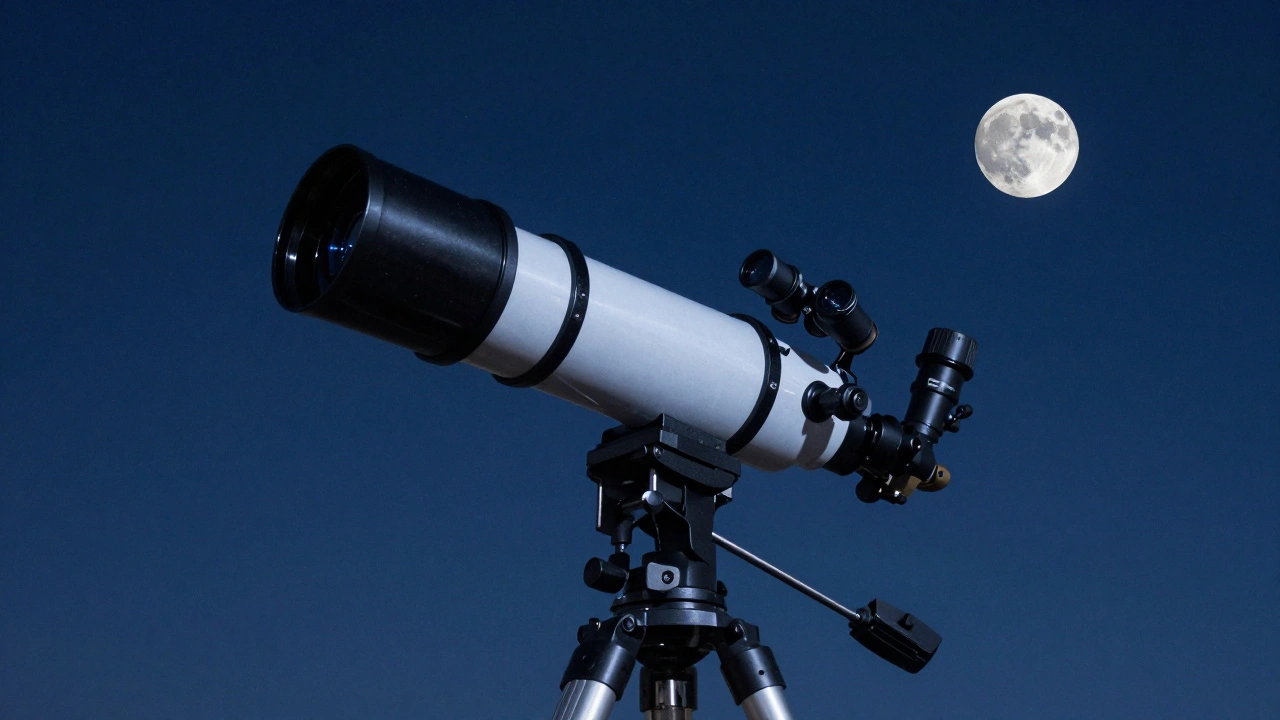
Binoviewer Eyepiece Pairs: Matching Focal Length and Weight for Better Observing
Matching focal length and weight in binoviewer eyepiece pairs ensures sharp, comfortable viewing. Learn how to test, balance, and choose the right pairs for clear, strain-free astronomy.
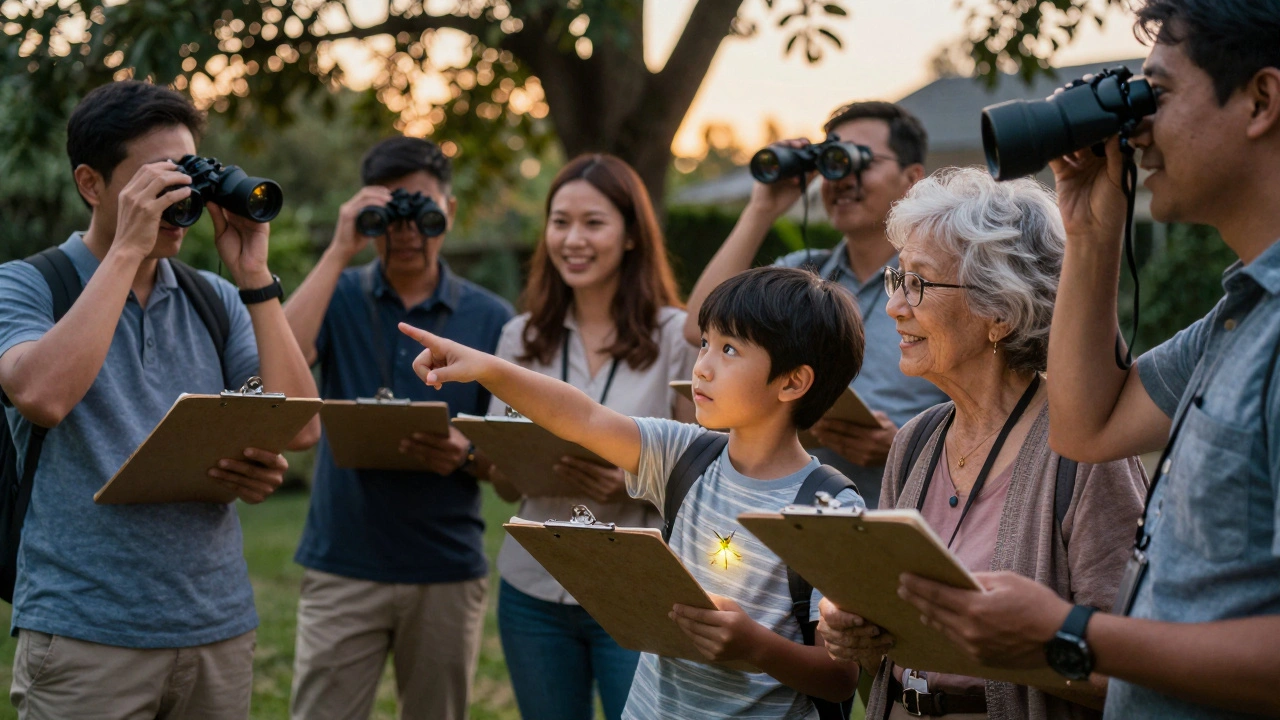
Balancing Fun and Rigor: How to Sustain a Citizen Science Observing Program
Sustaining a citizen science observing program requires balancing accurate data collection with volunteer engagement. Learn how simple tasks, visible results, and community connection turn casual participants into long-term contributors.
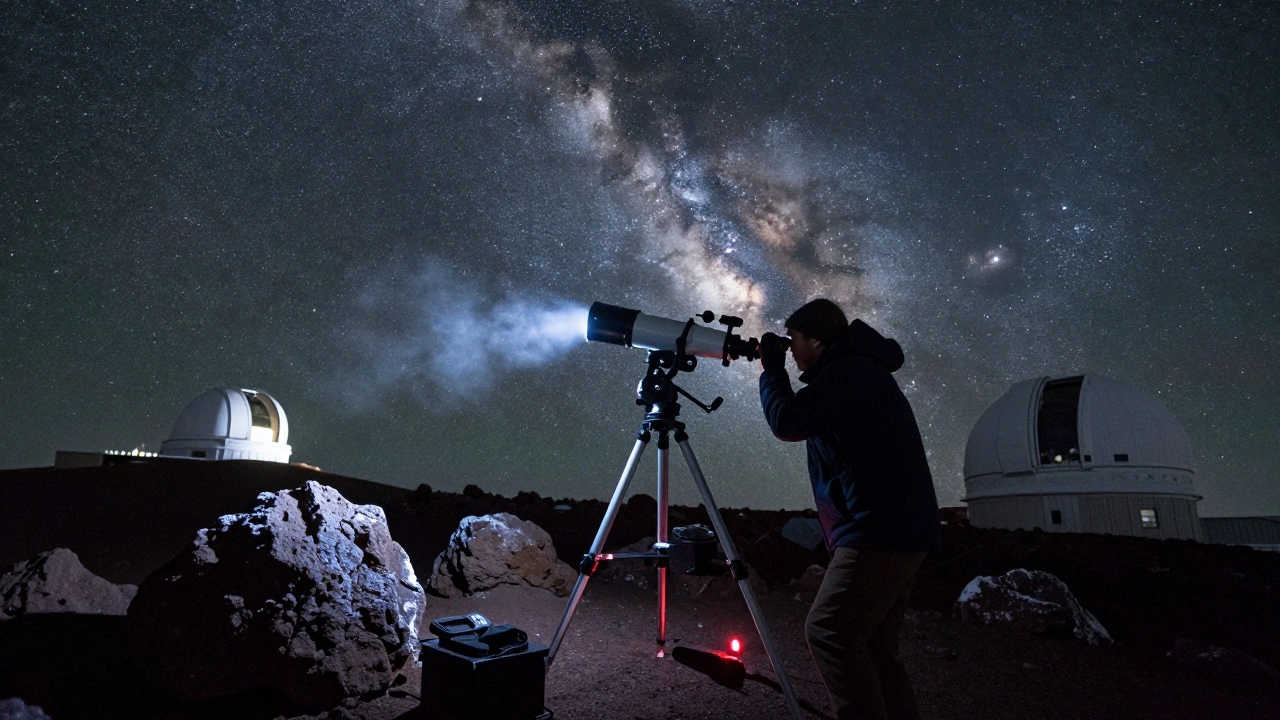
Best High-Altitude Sites for Sub-Arcsecond Double Star Splitting: Where and How to See It
High-altitude sites offer the clearest views for splitting double stars under one arcsecond. Learn where to go, what gear to bring, and how to see details impossible from low elevations.
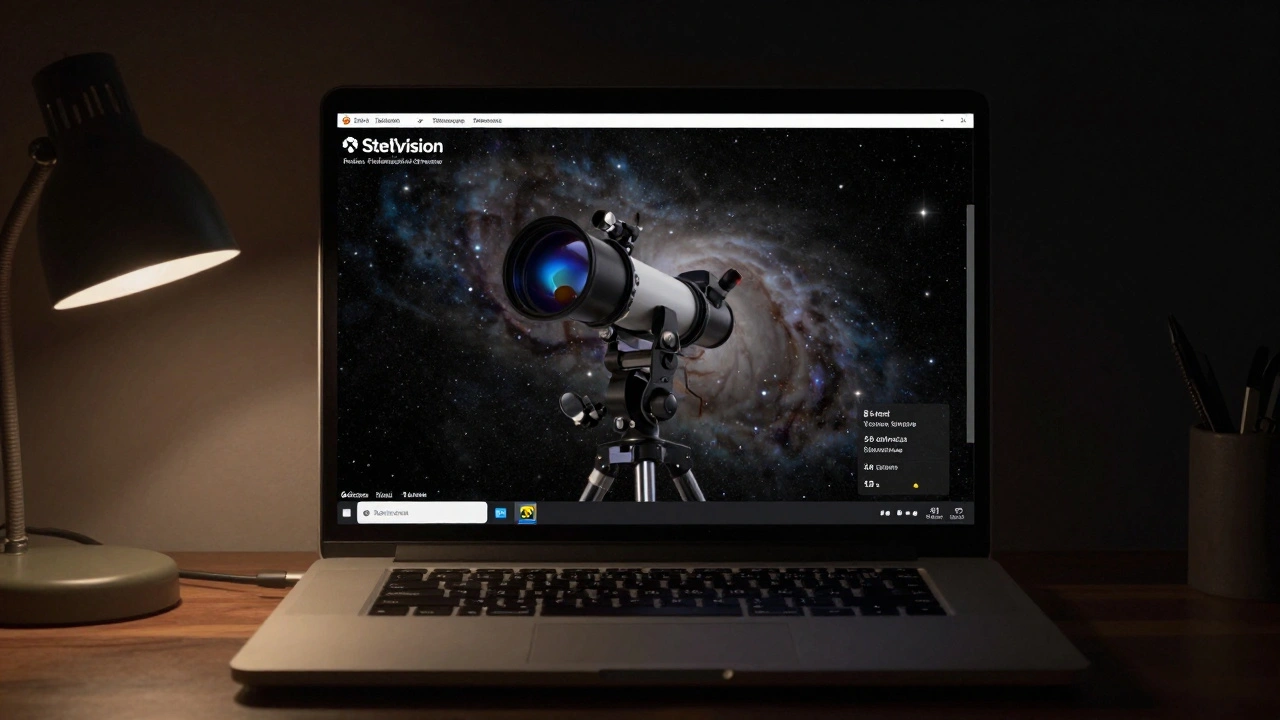
Stelvision Telescope Simulator: Complete Guide to Features and Functionality
Stelvision Telescope Simulator lets you preview exactly what your telescope will show you under any conditions. It's not a planetarium app-it's a precision tool for beginners and experts alike, simulating real optical performance based on your gear.
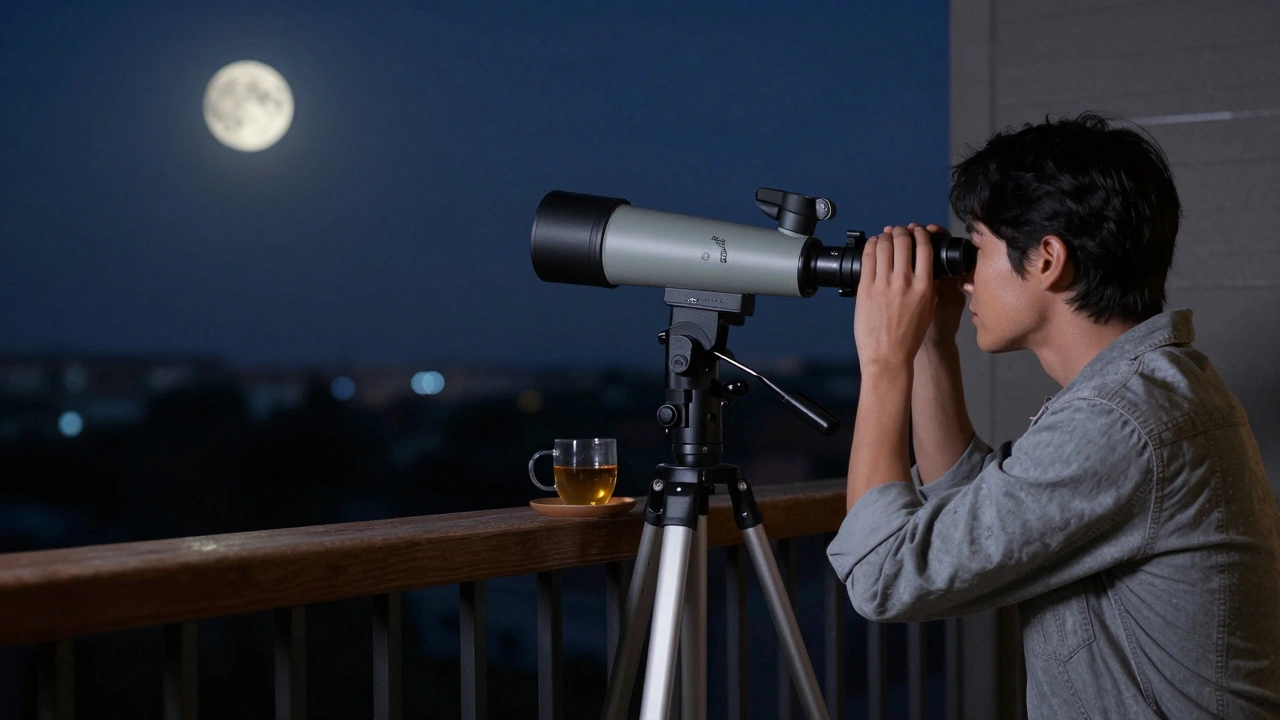
Tabletop vs Full-Size Telescopes: Which One Really Fits Your Space and Lifestyle?
Choosing between a tabletop and full-size telescope comes down to space, usage, and how serious you are about seeing deep-sky objects. Tabletop scopes are convenient but limited; full-size scopes deliver power and detail-if you have room for them.
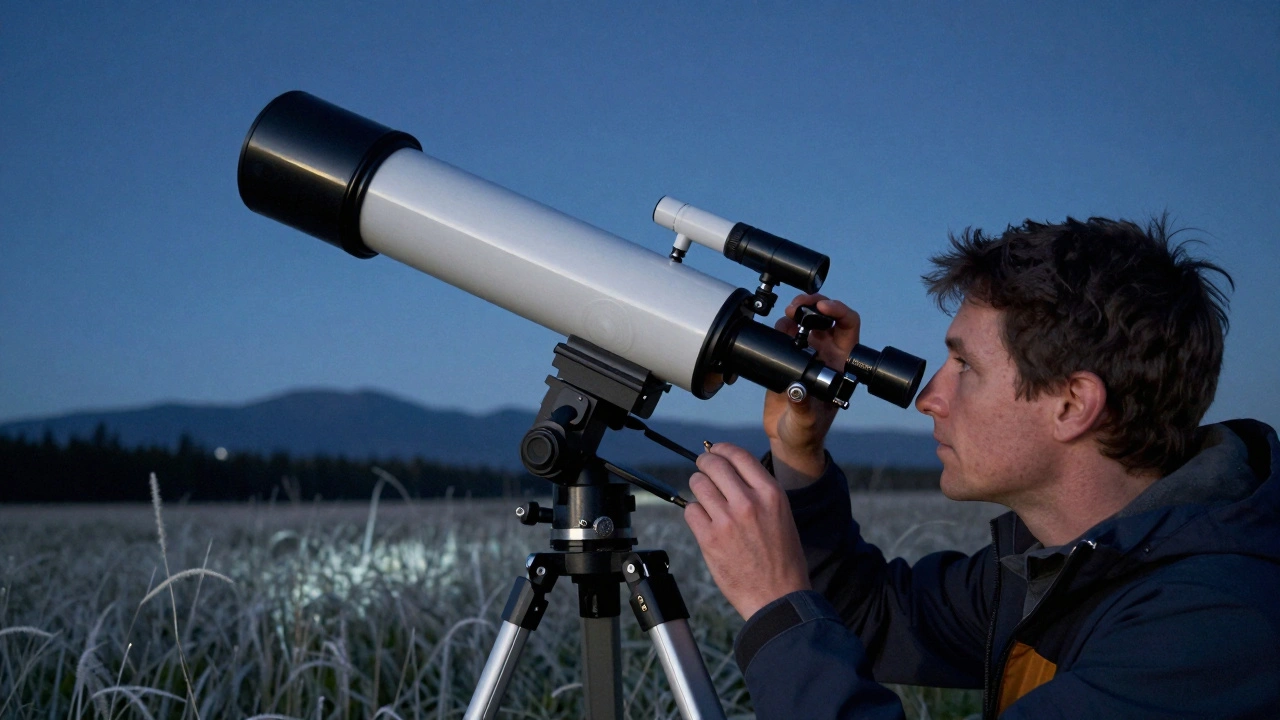
Collimation Myths: Separating Internet Advice from Optical Reality
Collimation myths are everywhere in astronomy. Learn what actually matters for telescope alignment-no lasers, no rituals, just real optics and practical tips to get clear stars without wasting time.
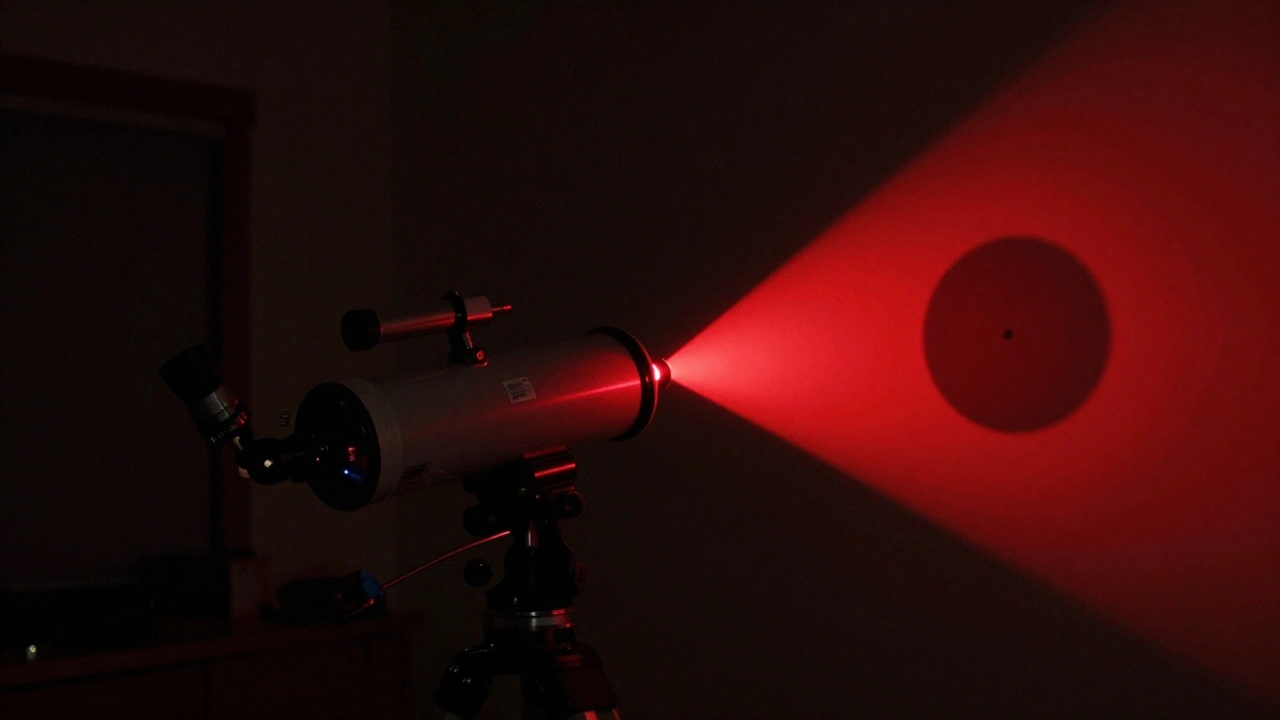
Barlowed Laser Collimation: How to Perfect Your Newtonian Telescope's Primary Mirror Alignment
Barlowed laser collimation is the most accurate way to align a Newtonian telescope's primary mirror. Learn how this simple technique beats standard lasers and delivers sharper views of planets and deep-sky objects.
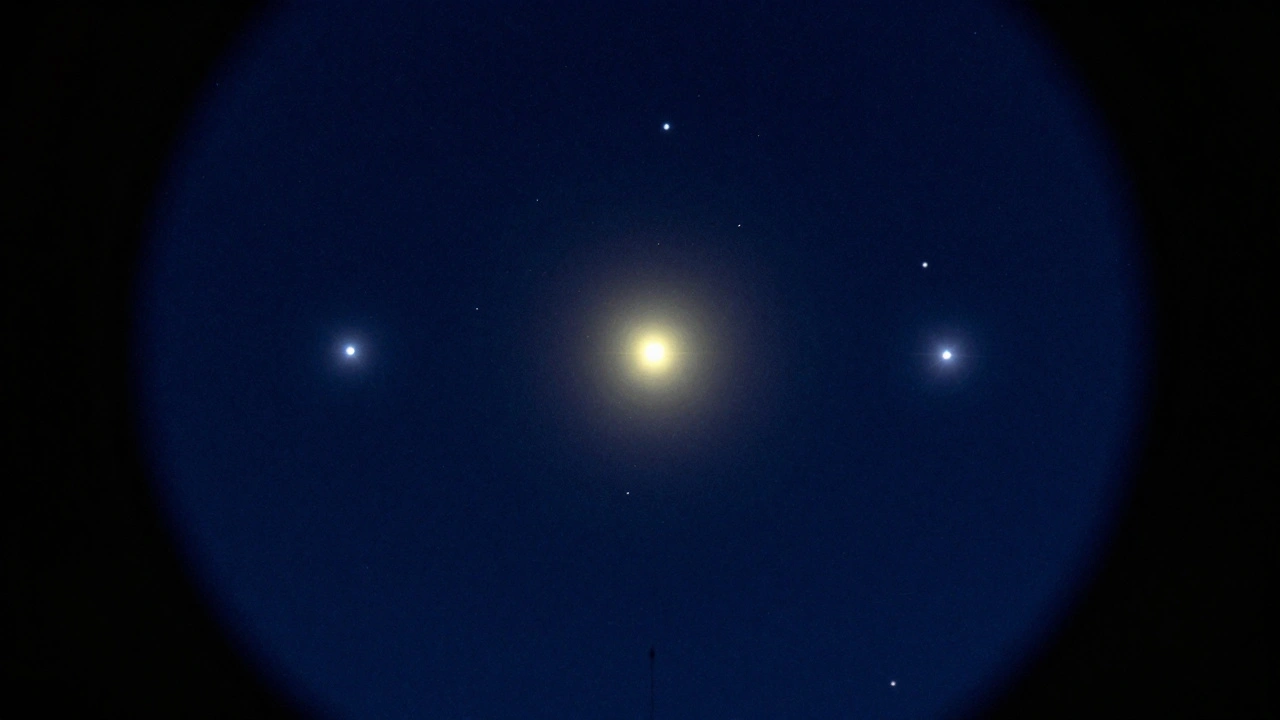
Choosing Comparison and Check Stars: Criteria and Common Mistakes in Variable Star Observation
Learn how to choose reliable comparison and check stars for observing variable stars, avoid common mistakes, and contribute accurate data to astronomy. Essential guide for amateur observers.
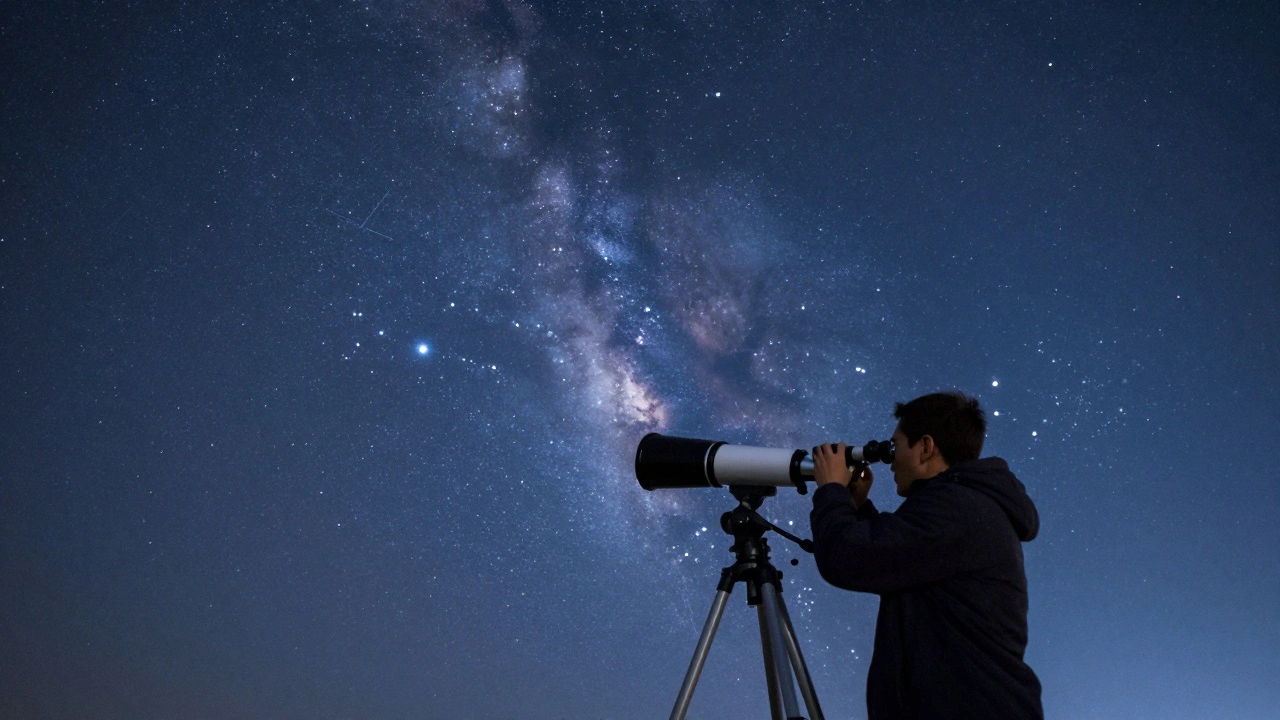
Low-Power Eyepieces for Navigation: Starting with Widest Fields
Start your star hopping journey with the widest, lowest-power eyepiece possible. Learn why field of view matters more than magnification, which eyepieces work best, and how to navigate the night sky without electronics.
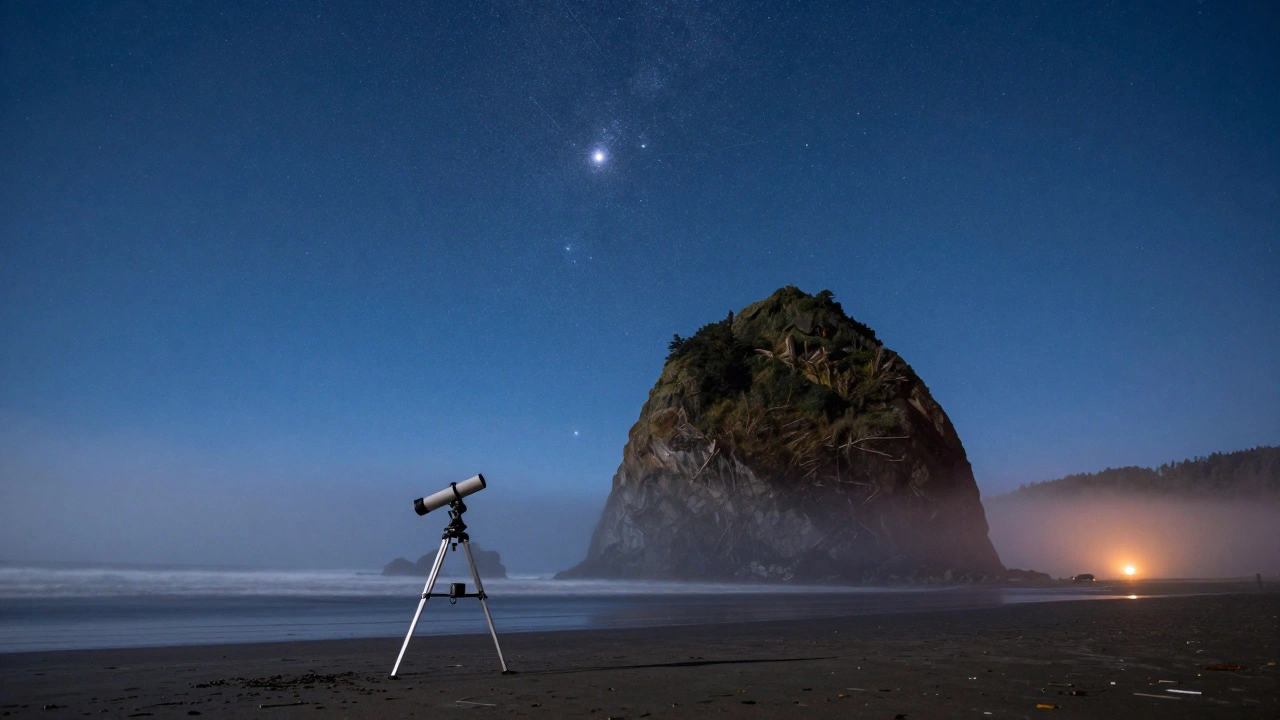
Marine Layer and Haze: Coastal Telescope Planning Strategies
Coastal astronomers face persistent marine layer and haze that blur stars and ruin views. Learn how to predict when the fog lifts, where to observe for clearer skies, and how to adjust your gear to see through the haze-without leaving the coast.
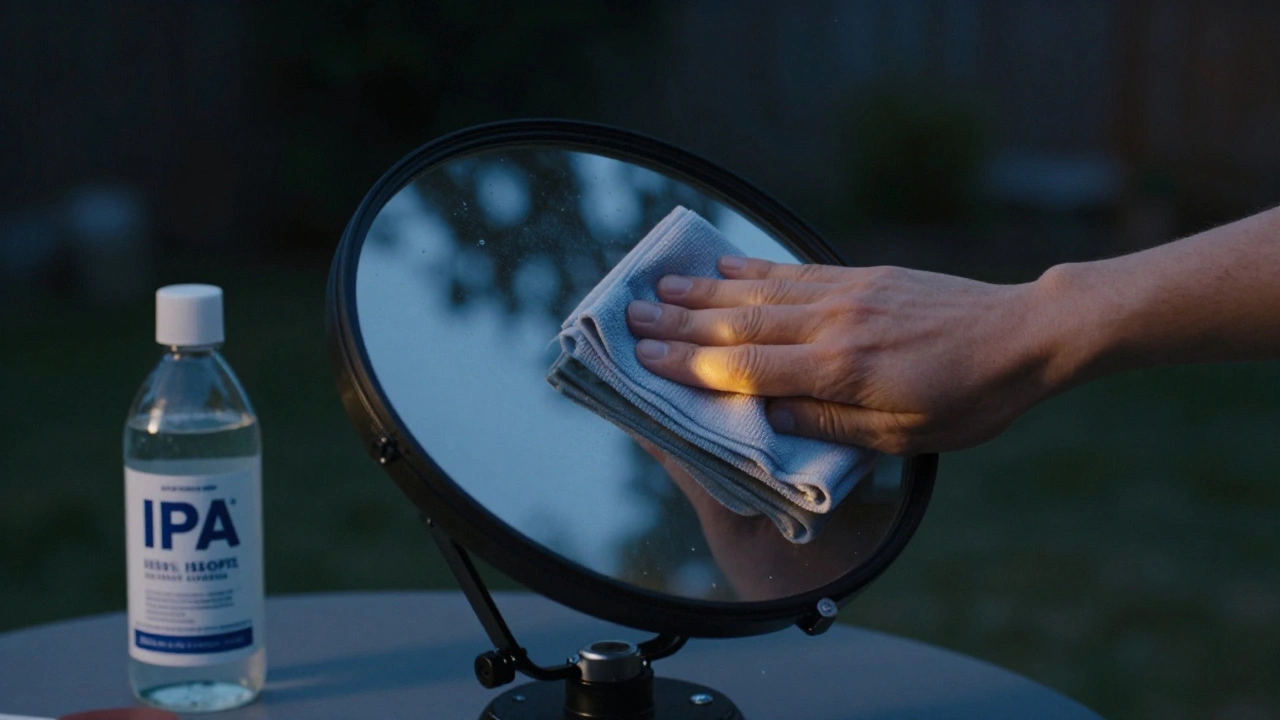
Safe Solvents for Optics: Alcohols, Distilled Water, and Detergents for Telescope Cleaning
Learn which solvents are safe for cleaning telescope lenses and mirrors - isopropyl alcohol, distilled water, and optical detergents. Avoid damaging coatings with the wrong cleaners.
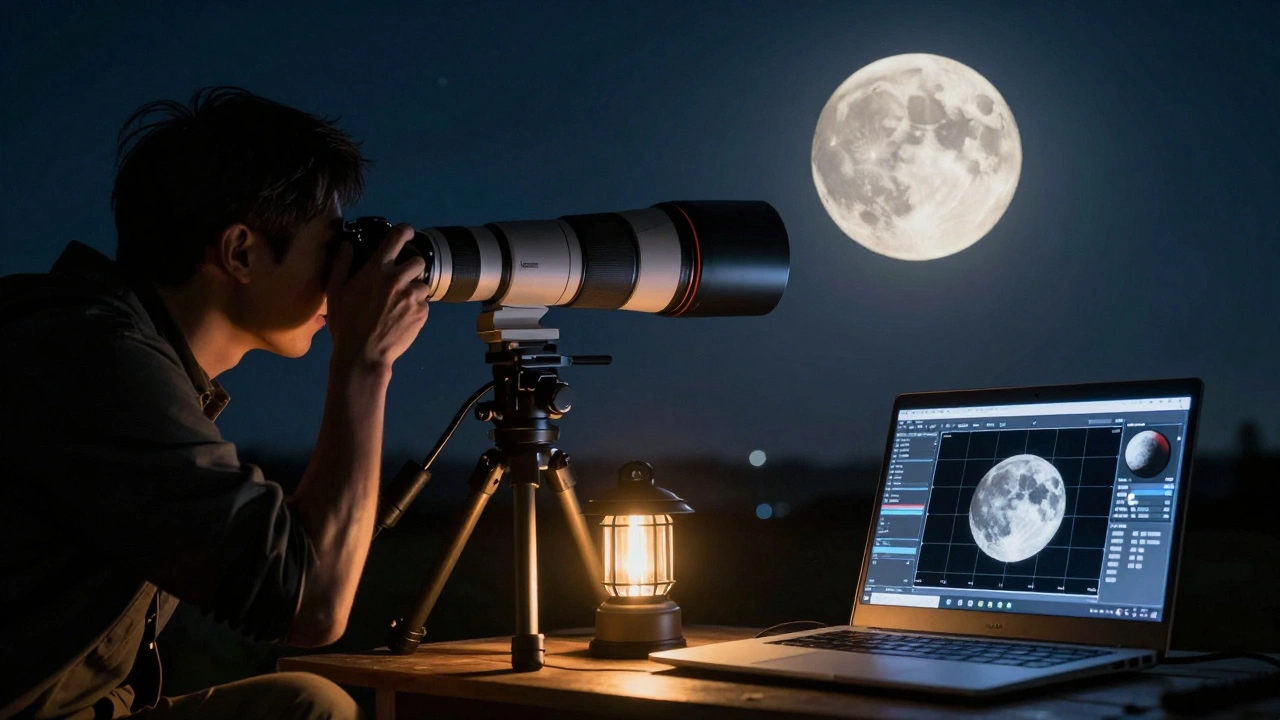
Lunar Photography Planning: How to Choose Focal Length, Predict Seeing, and Build Perfect Mosaics
Learn how to plan lunar photography with the right focal length, predict seeing conditions, and create seamless mosaics. Avoid common mistakes and shoot the moon like a pro.