Category: Astronomy & Equipment - Page 2
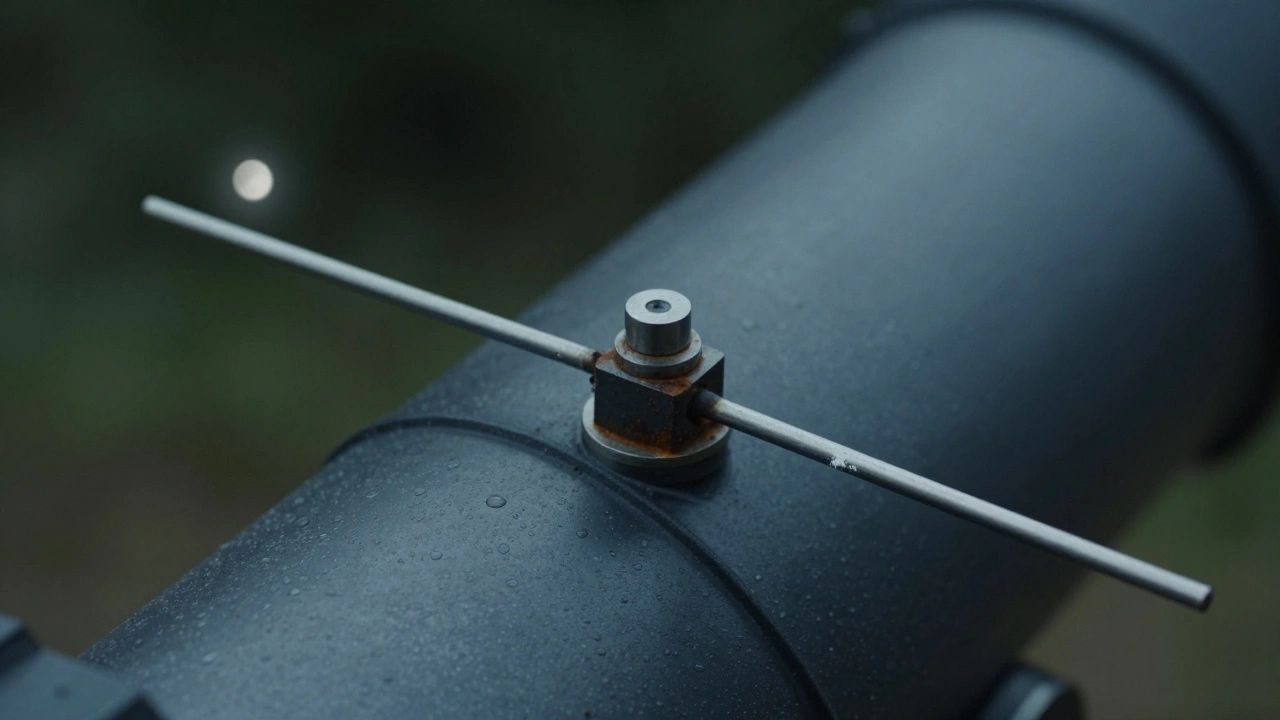
Spider Vane and Secondary Care: Preventing Rust and Alignment Shift in Telescopes
Learn how to prevent rust and alignment shifts in telescope spider vanes and secondary mirrors. Simple maintenance steps can save your views and extend your scope’s life - especially in humid climates like Portland’s.
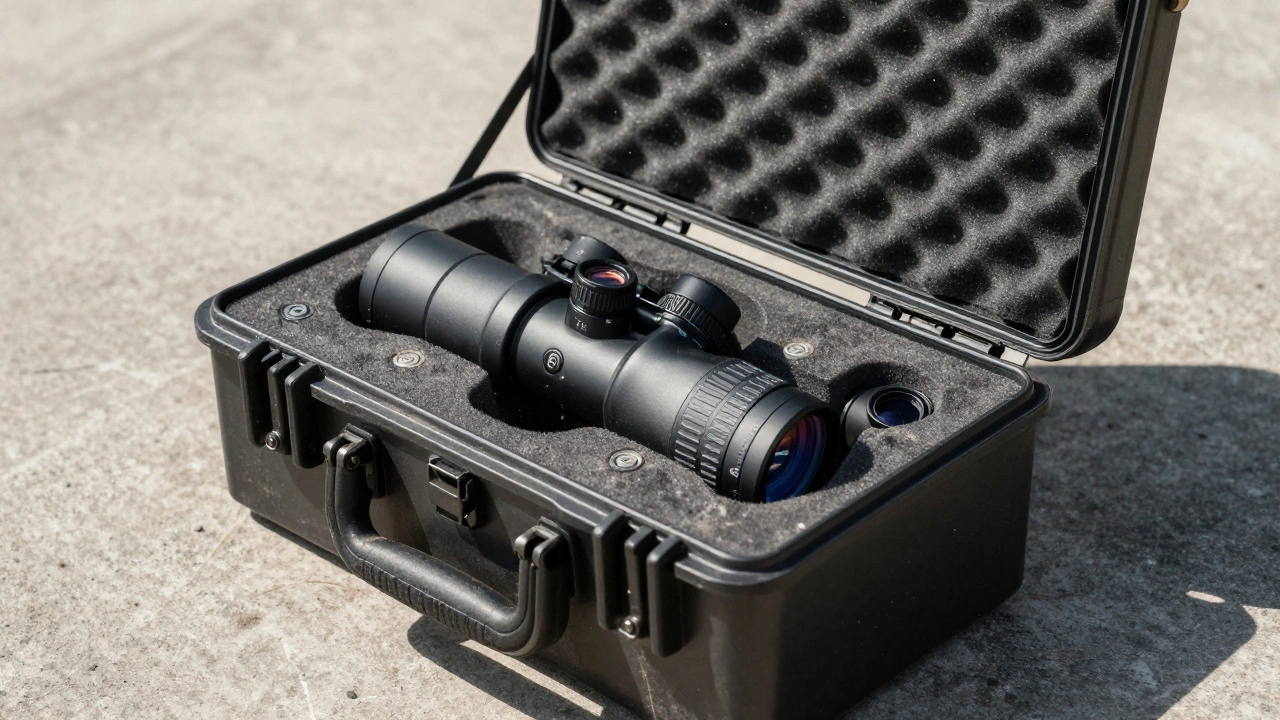
Transport Cases: Hard vs Soft Options for Telescope Protection
Choosing between hard and soft telescope cases depends on how and where you transport your gear. Hard cases offer unbeatable protection for travel and expensive scopes, while soft cases are lighter and cheaper for casual use. Know your needs before you buy.
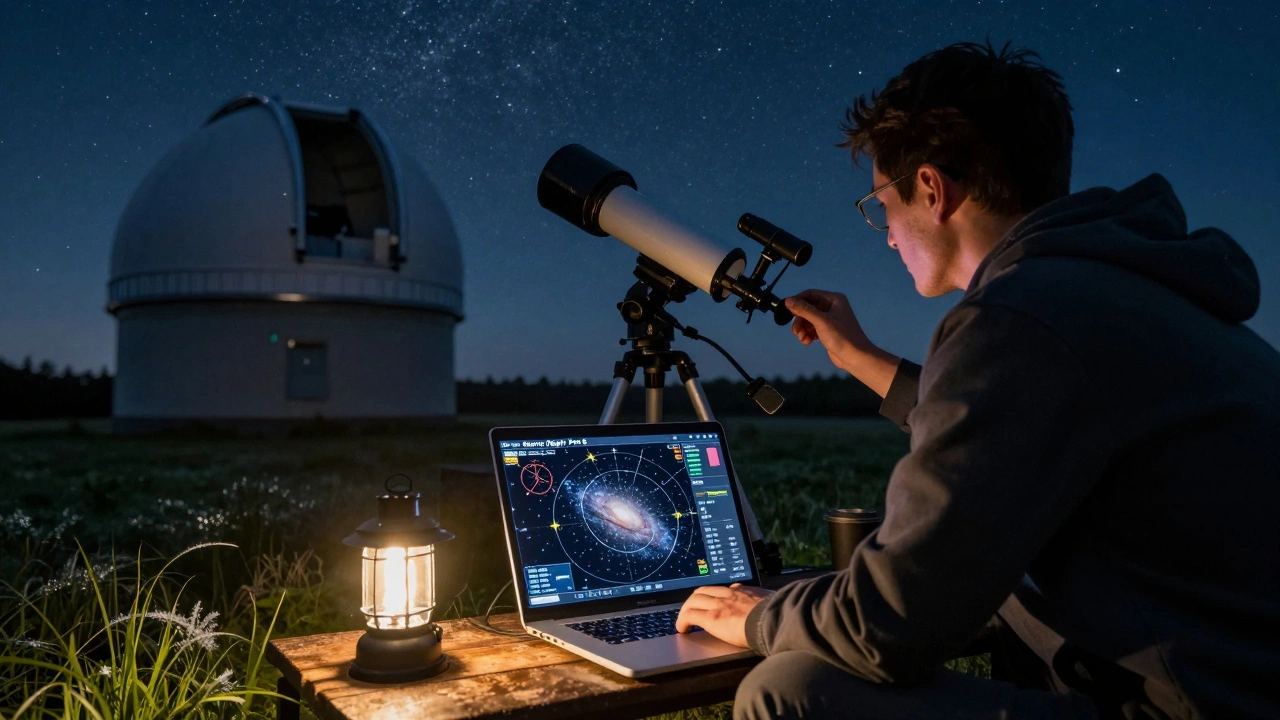
Starry Night Pro vs Stellarium: Which Planetarium Software Is Best for Serious Astronomy Planning?
Starry Night Pro and Stellarium are two leading planetarium tools for serious amateur astronomers. One is a polished, paid platform with telescope control; the other is a free, customizable open-source alternative. Here’s how they compare in real-world use.
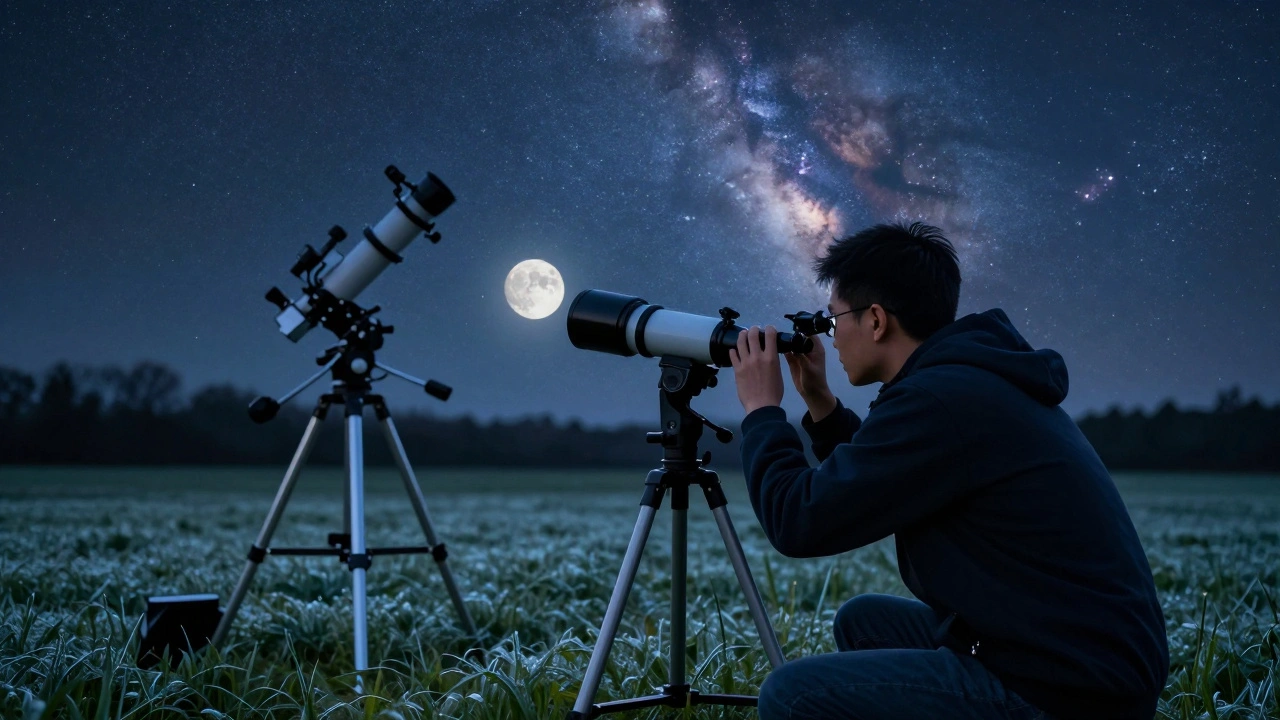
Upgrading from a Beginner Telescope: When and What to Buy Next
Learn when to upgrade from a beginner telescope and what to buy next - whether you want sharper planetary views, fainter deep-sky objects, or easier tracking. Skip the traps and choose the right next step.
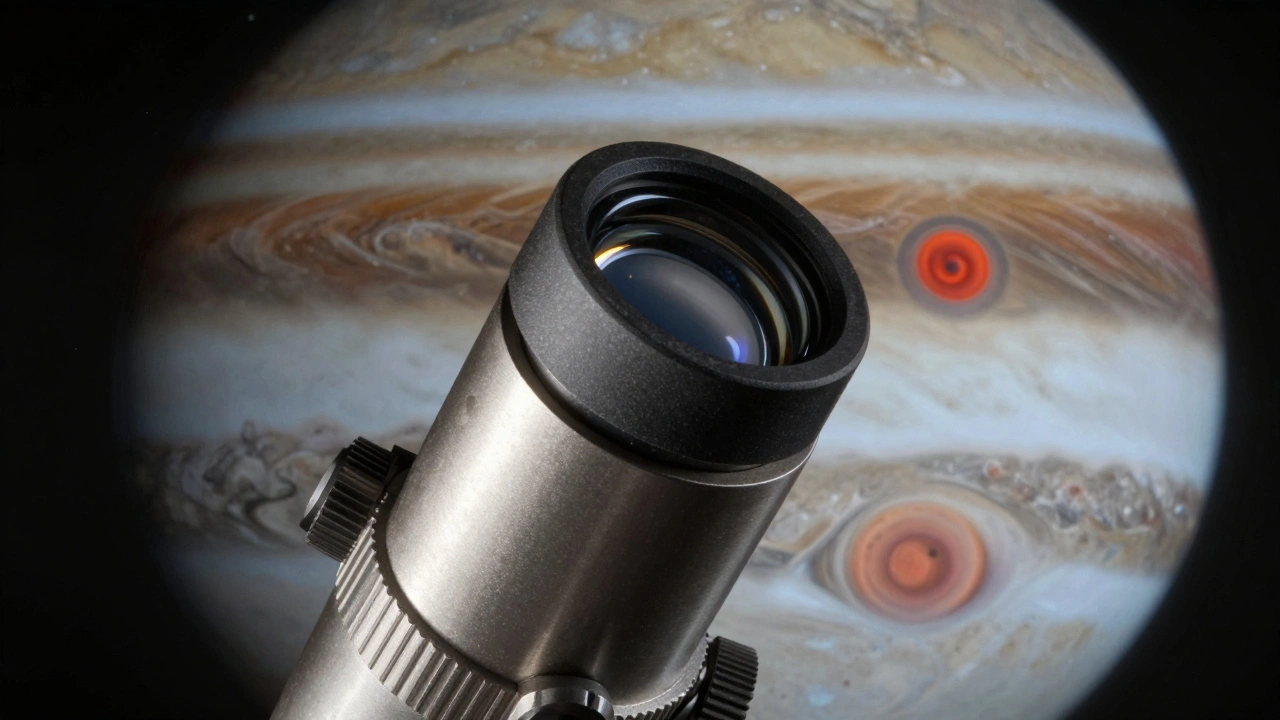
Orthoscopic Eyepieces: High-Contrast Views for Planetary Observation
Orthoscopic eyepieces deliver unmatched contrast and sharpness for planetary observation, making them a preferred choice for serious amateur astronomers despite their narrow field and short eye relief. Known for their simple, reliable design, they reveal fine details on Jupiter, Saturn, and Mars that modern wide-field eyepieces often blur.

Eyepiece Focal Length and Magnification: How Focal Length Determines Magnification
Eyepiece focal length directly controls telescope magnification. Learn how to calculate magnification, choose the right eyepiece, avoid common mistakes, and understand why more zoom isn’t always better for stargazing.
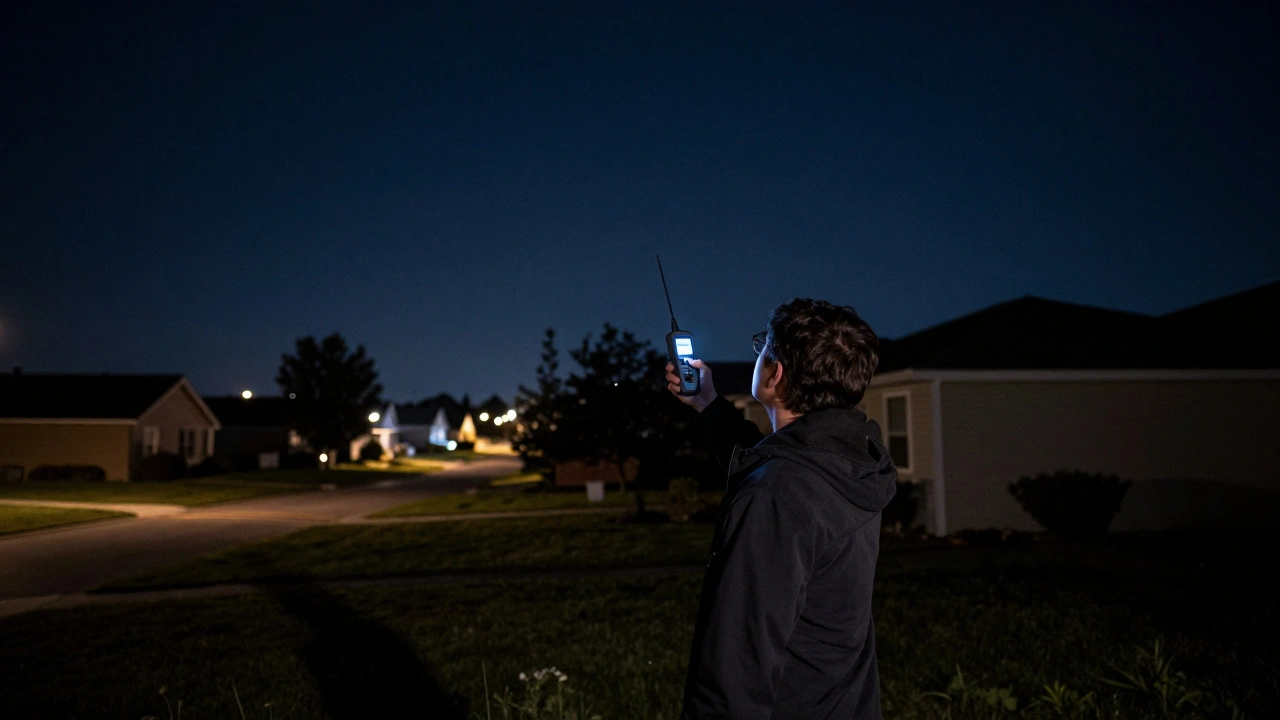
Sky Quality Measurement: How to Use SQM and SQC Meters for Dark Sky Monitoring
Learn how to use SQM and SQC meters to measure sky quality and combat light pollution. Get practical tips, real-world benchmarks, and why this data matters for stargazing and environmental protection.
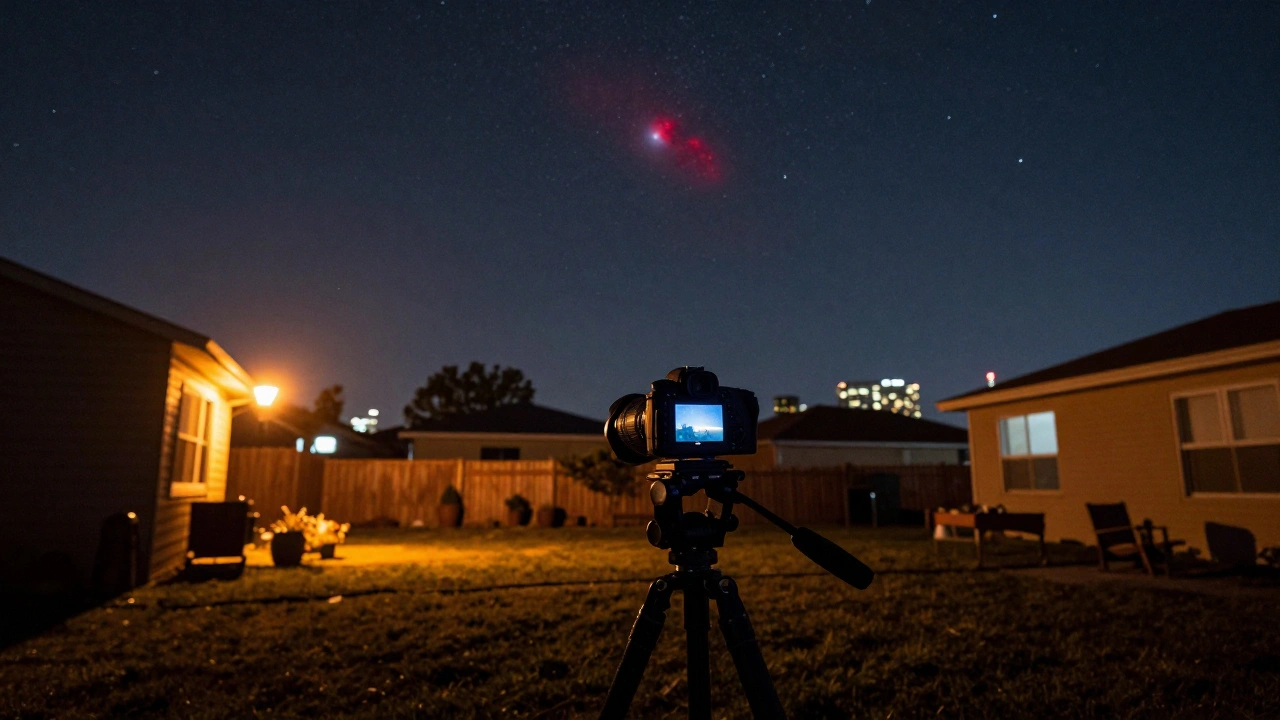
Backyard Imaging from Bortle 8: Practical Strategies That Actually Work
You don't need dark skies to capture stunning deep-sky images. Learn how to shoot nebulae, galaxies, and star clusters from a Bortle 8 urban backyard using modified cameras, narrowband filters, and smart stacking techniques.
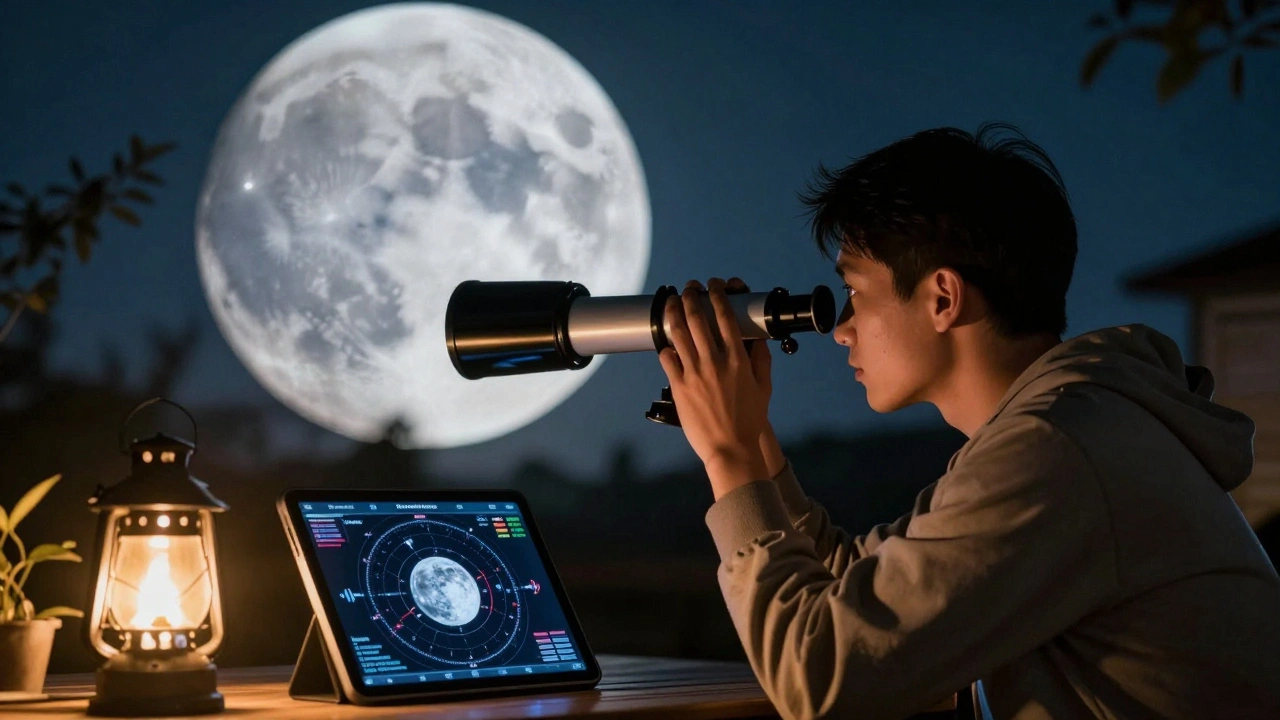
Lunar Mapping Software: Using Planetariums to Identify Lunar Features
Lunar mapping software combined with planetarium tools helps amateur astronomers identify craters, mountains, and mare features on the Moon. Learn how to use apps like Stellarium and SkySafari to name what you see and turn observation into meaningful exploration.
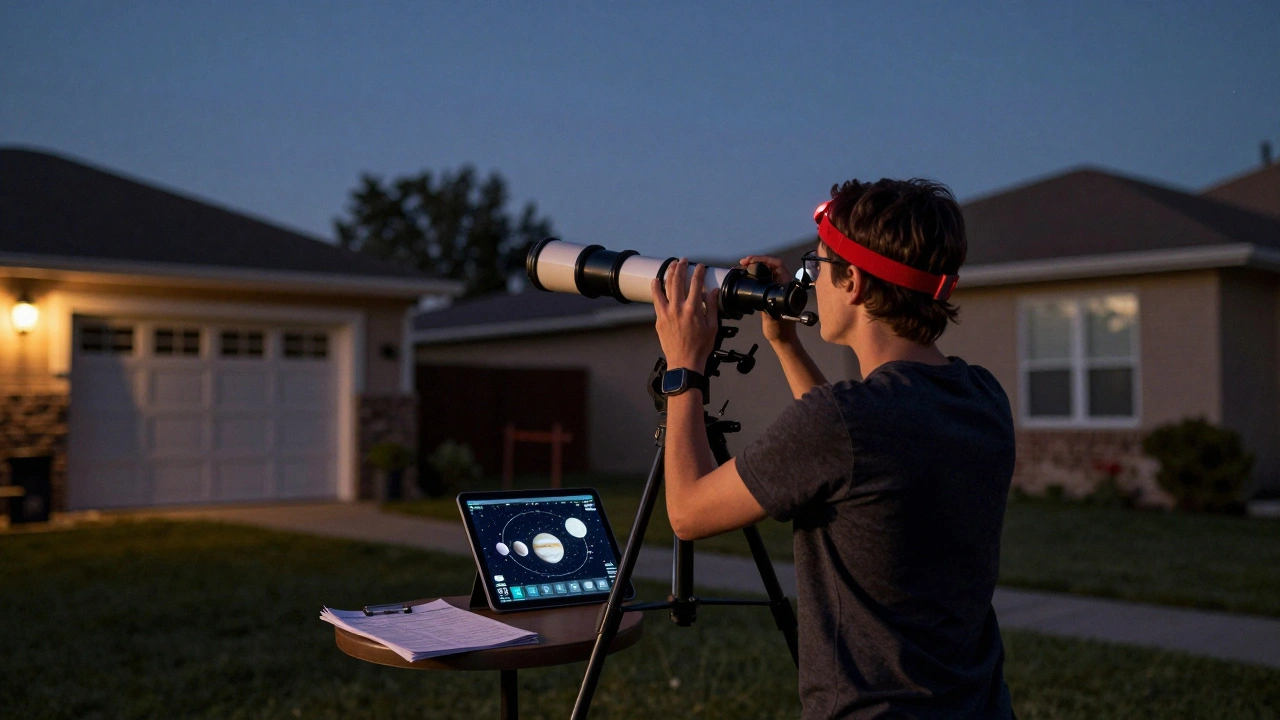
First Steps: Planning Your First Simulated Observation Session
Learn how to plan your first simulated observation session to make your real stargazing more successful. Start with one target, check sky conditions, and use free tools to prepare for a better view of the night sky.
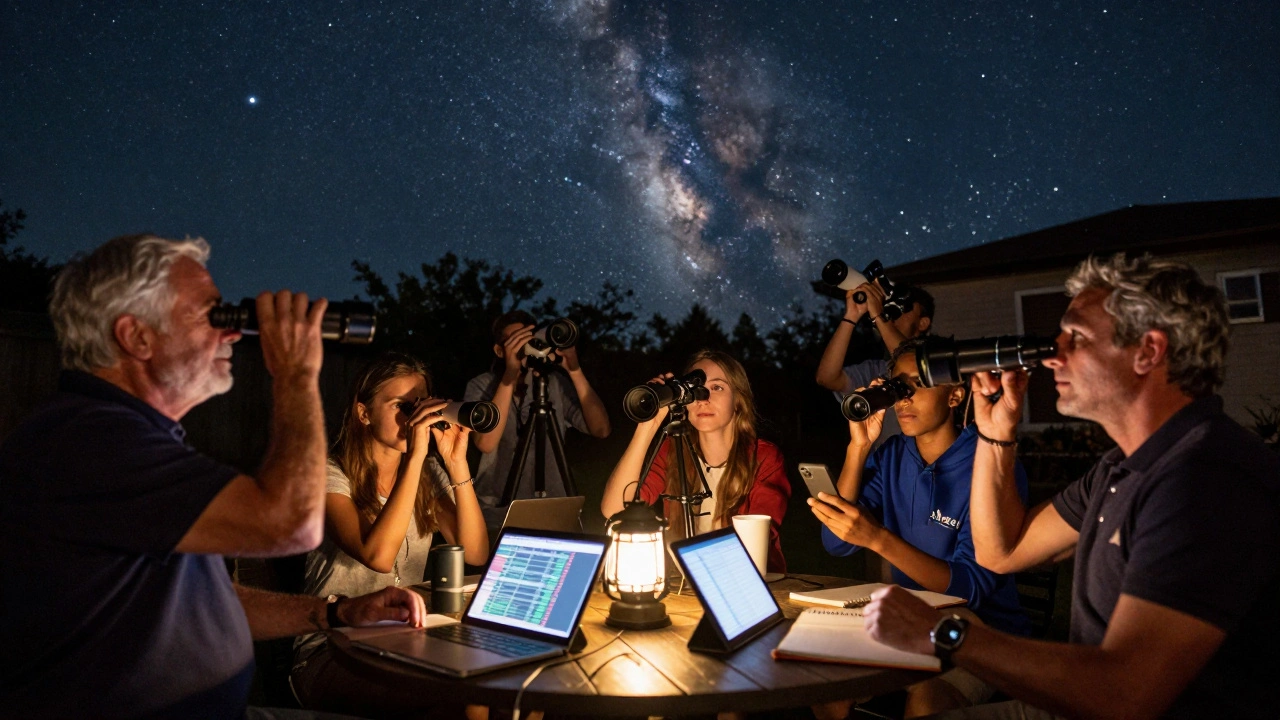
Citizen Science in Astronomy: How Amateur Observers Make Real Scientific Discoveries
Amateur astronomers are making real scientific discoveries by tracking stars, asteroids, and galaxies. From variable star data to new comet finds, citizen science is reshaping how we understand the universe.
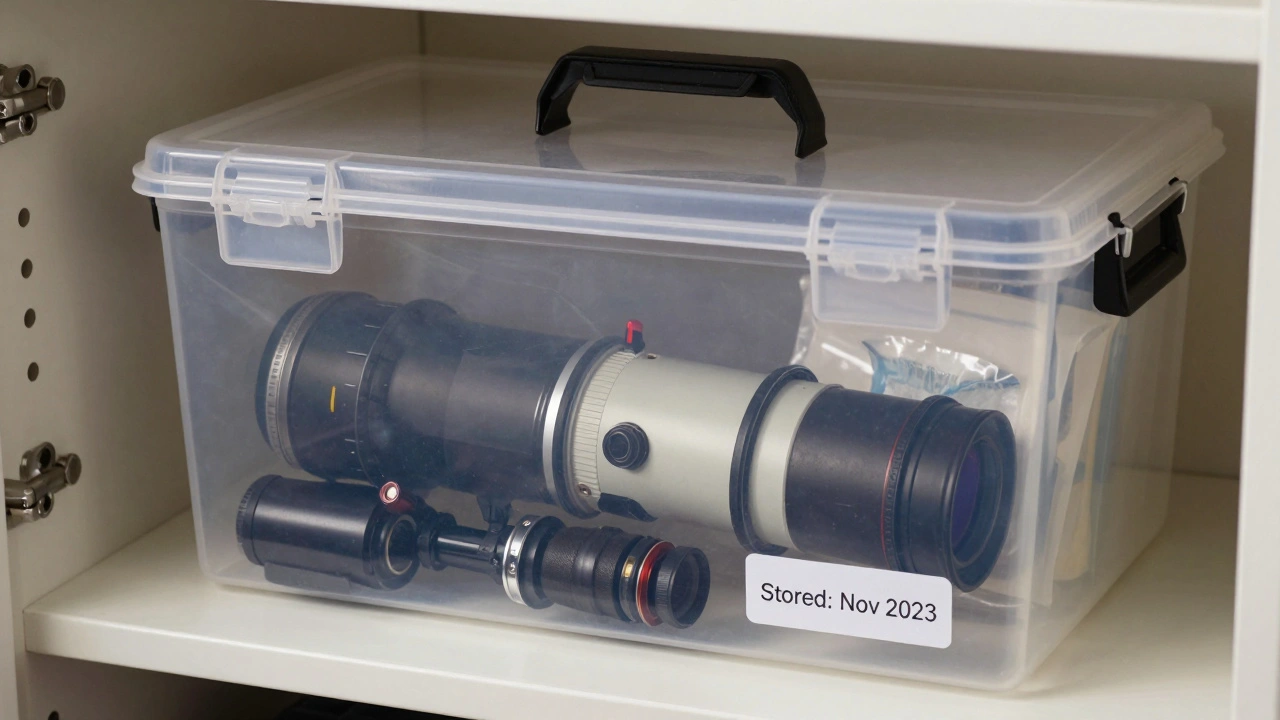
Long-Term Telescope Storage: How to Protect Your Telescope During Off-Season
Learn how to properly store your telescope during the off-season to prevent moisture damage, fungus, and mechanical wear. Simple steps like using silica gel, removing batteries, and storing in a sealed container can extend your scope's life for decades.