Category: Astronomy & Equipment - Page 4
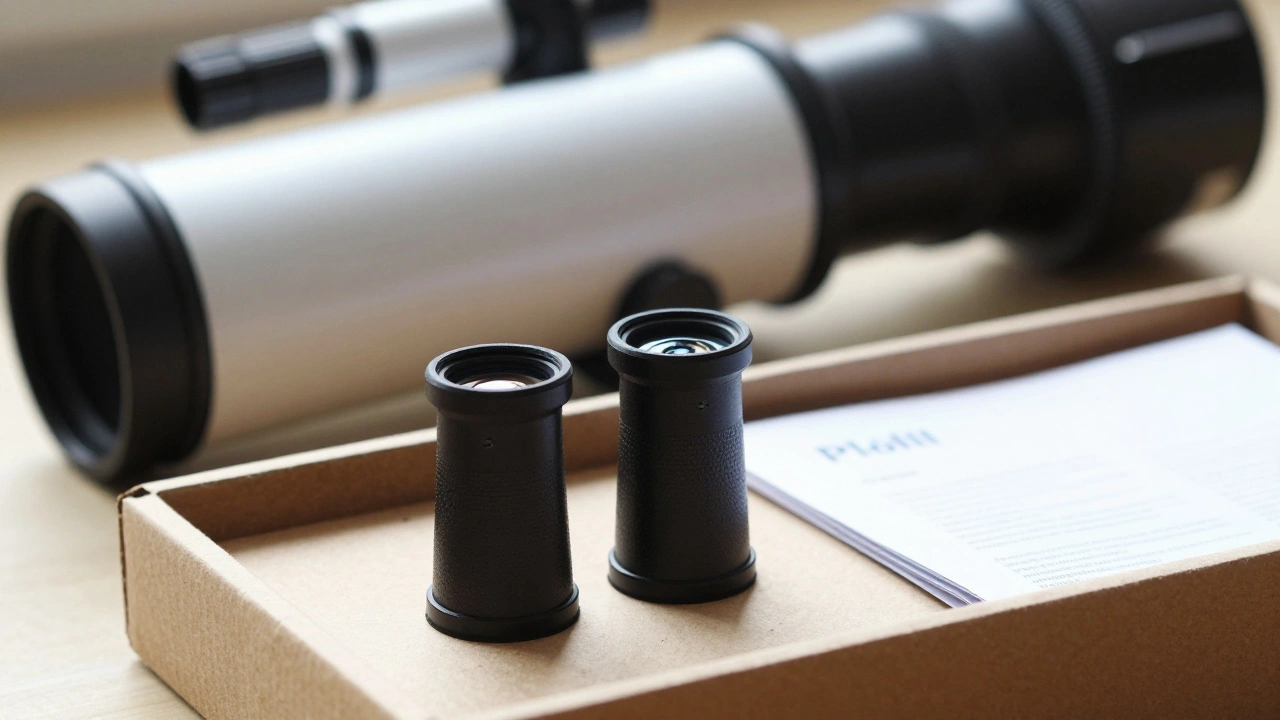
Are Stock Telescope Eyepieces Actually Good? A Quality Guide
Discover if the stock eyepieces included with your beginner telescope are worth keeping. Learn how to identify poor glass quality and when to upgrade for better views.
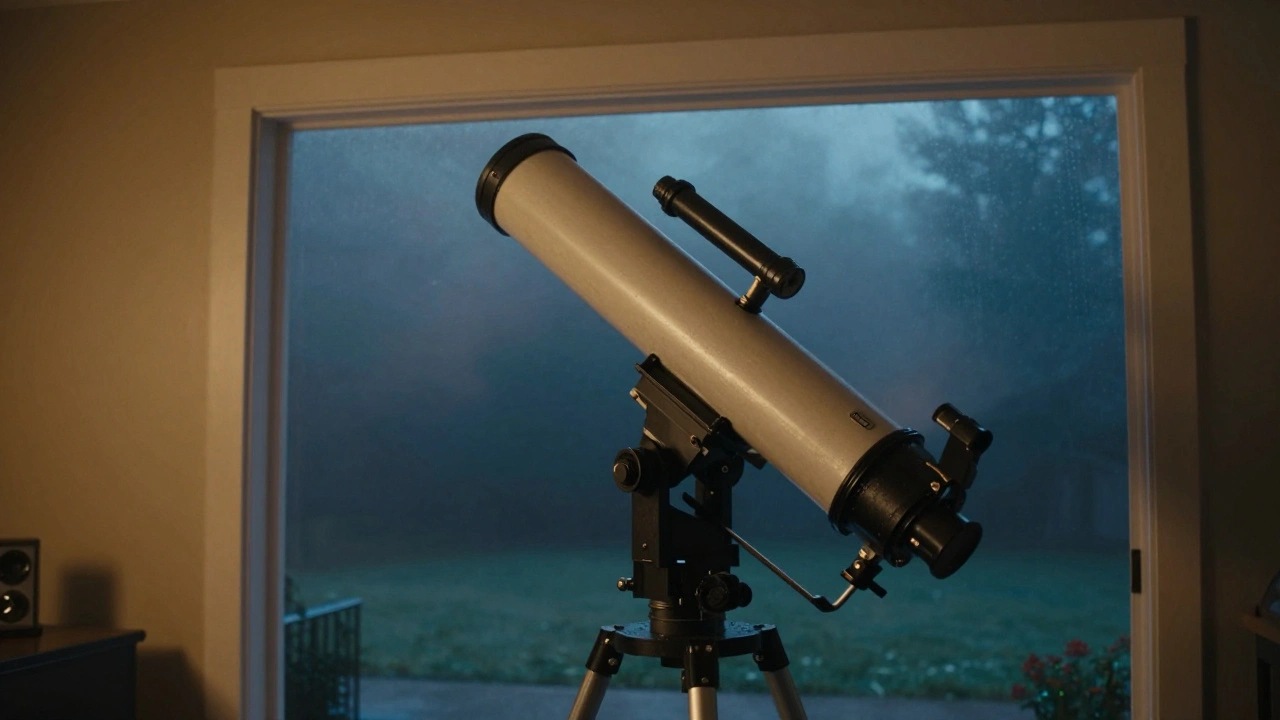
Thermal Effects on Collimation: How Temperature Shifts Affect Telescope Alignment
Learn how temperature shifts cause thermal drift and affect telescope collimation. Discover tips to maintain a sharp optical alignment despite cold nights.
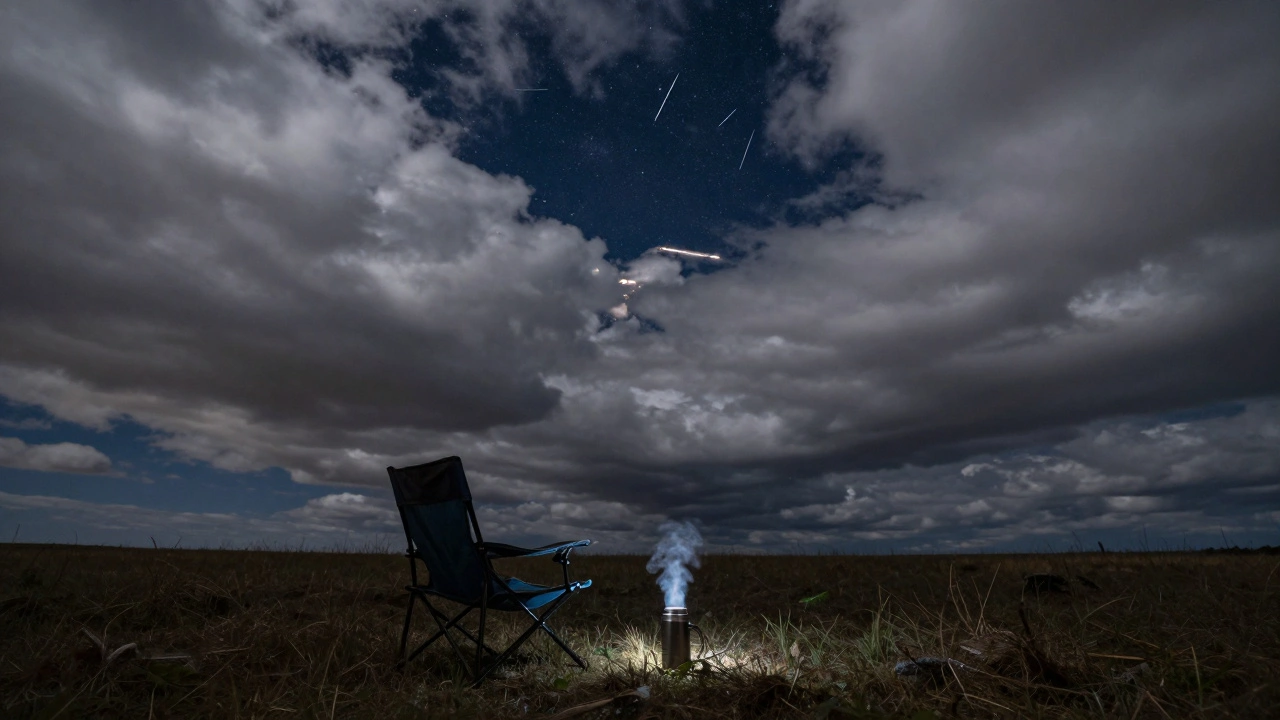
How to Find Cloud Gaps for Meteor Showers: Best Forecast Tools
Stop letting clouds ruin your meteor shower. Learn how to use HRRR models, satellite imagery, and dew point data to find clear sky gaps and save your night.
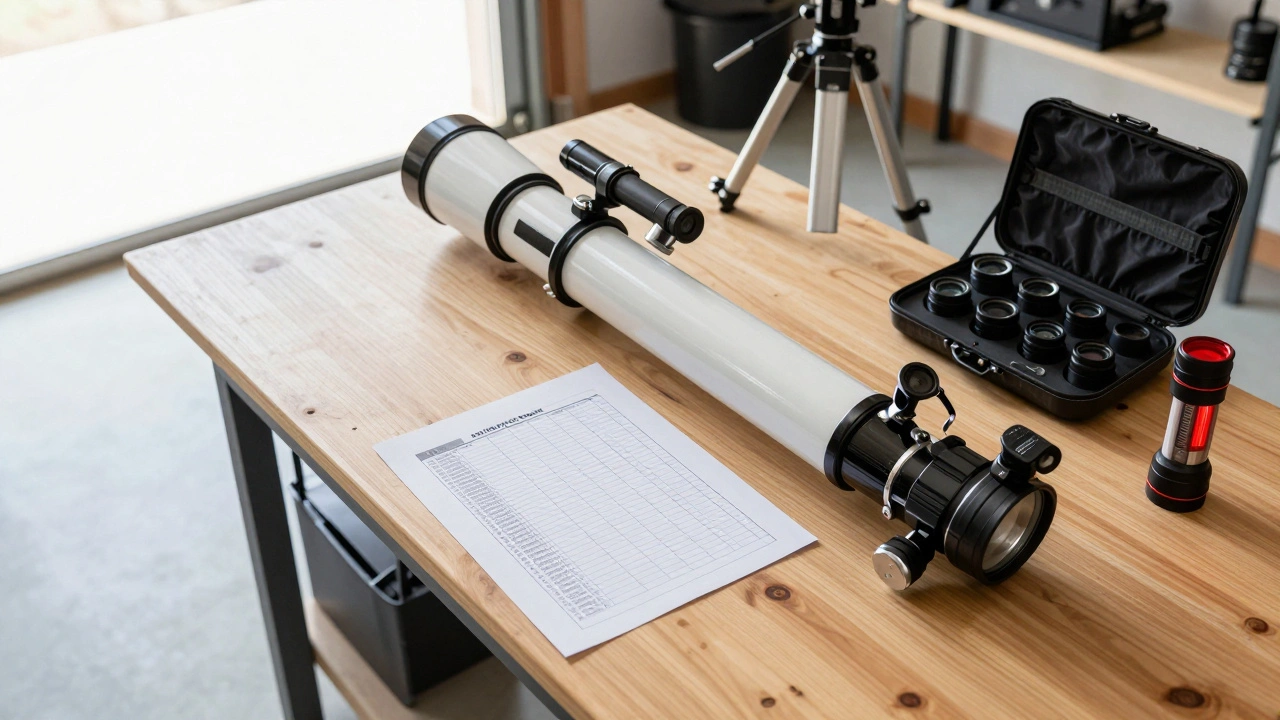
Telescope Packing Lists: How to Never Forget Critical Gear
Stop forgetting critical gear! Learn how to build a foolproof telescope packing list and transport strategy to ensure every stargazing session is a success.
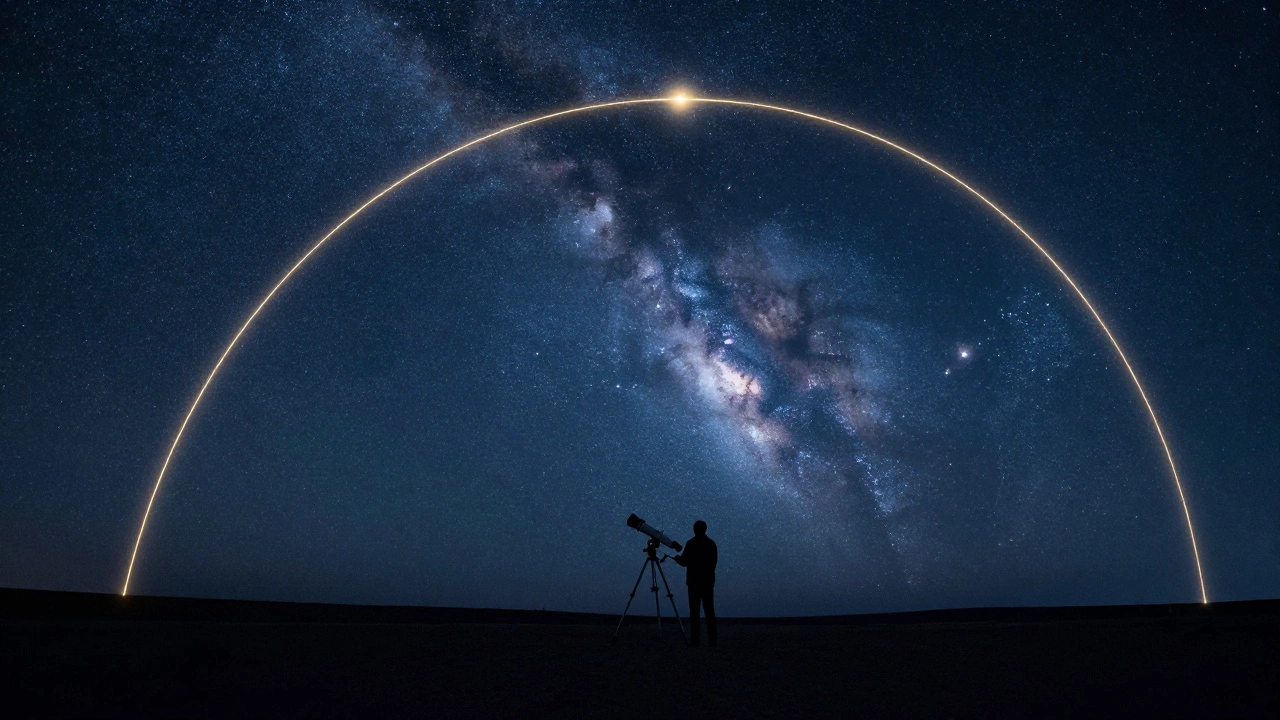
Transit and Culmination Times: How to Schedule Objects at Peak Altitude
Learn how to use transit and culmination times to find the peak altitude of celestial objects, ensuring the clearest views and highest quality astrophotography.
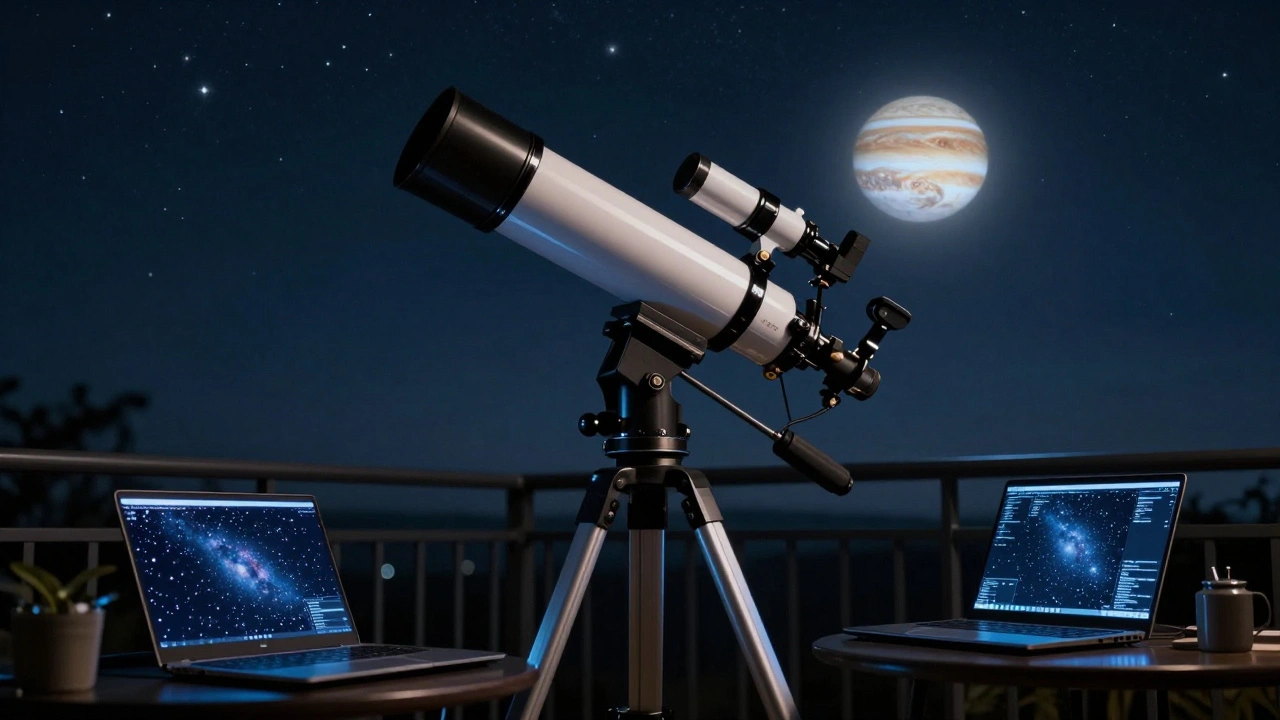
Planning Video Capture Windows for Planetary De-rotation
Master the art of planetary de-rotation. Learn how to plan video capture windows for Jupiter, Saturn, and Mars to eliminate motion blur and sharpen details.
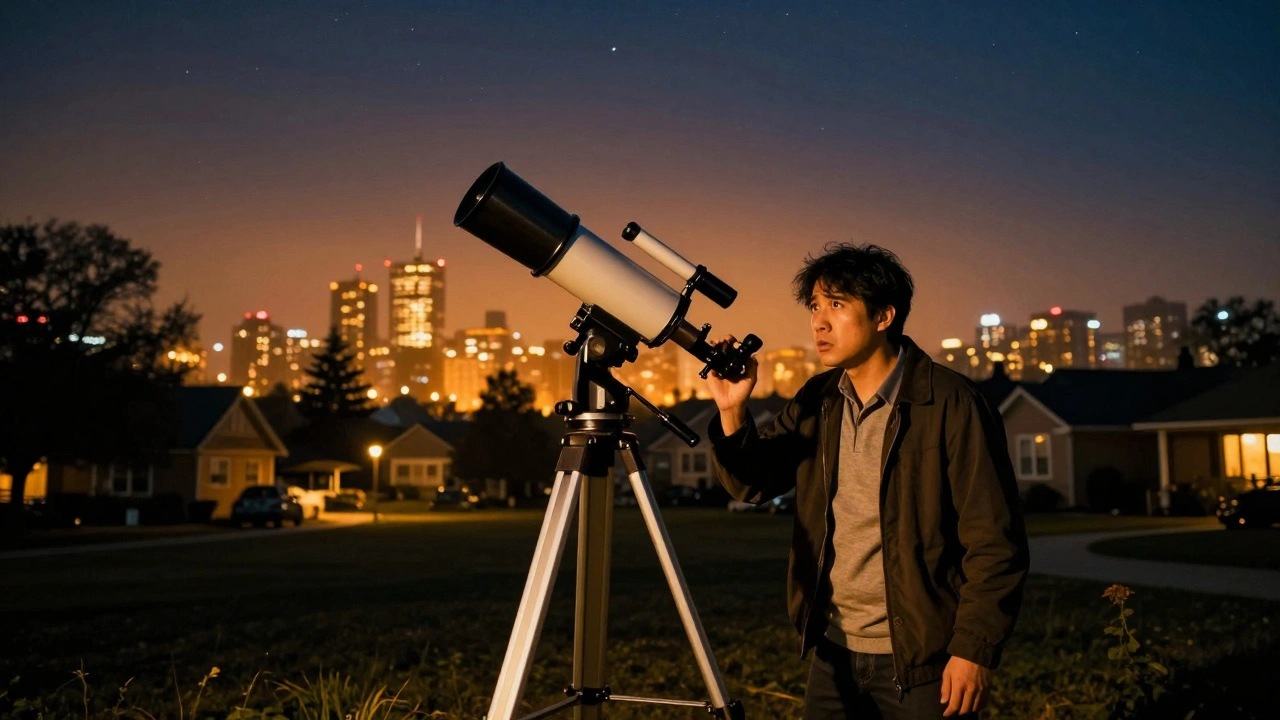
UHC vs CLS vs Multi-Bandpass: Choosing the Best Light Pollution Filter
Compare UHC, CLS, and Multi-Bandpass light pollution filters to find the best choice for your telescope, whether you're viewing nebulae or doing astrophotography.
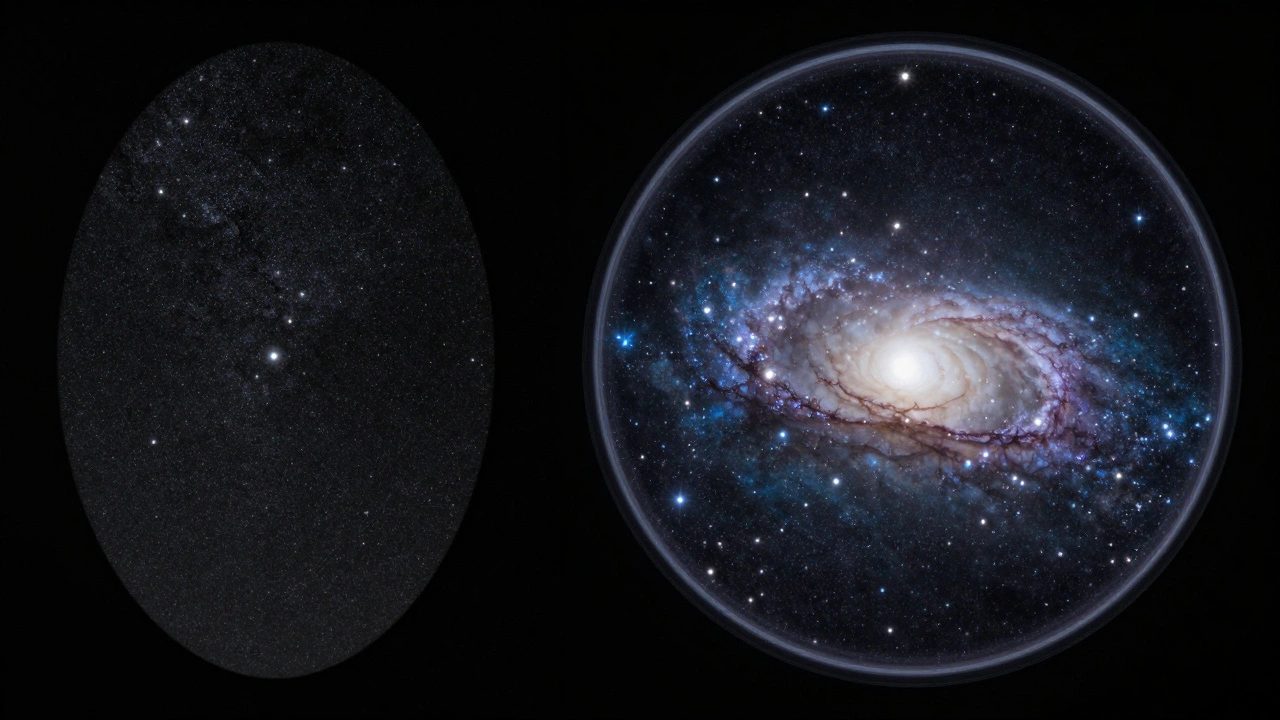
2-Inch Eyepieces Guide: When to Upgrade for Wider Fields of View
Learn when to upgrade to 2-inch eyepieces for your telescope. Discover how they impact field of view, weight, and image quality for deep-sky observing.
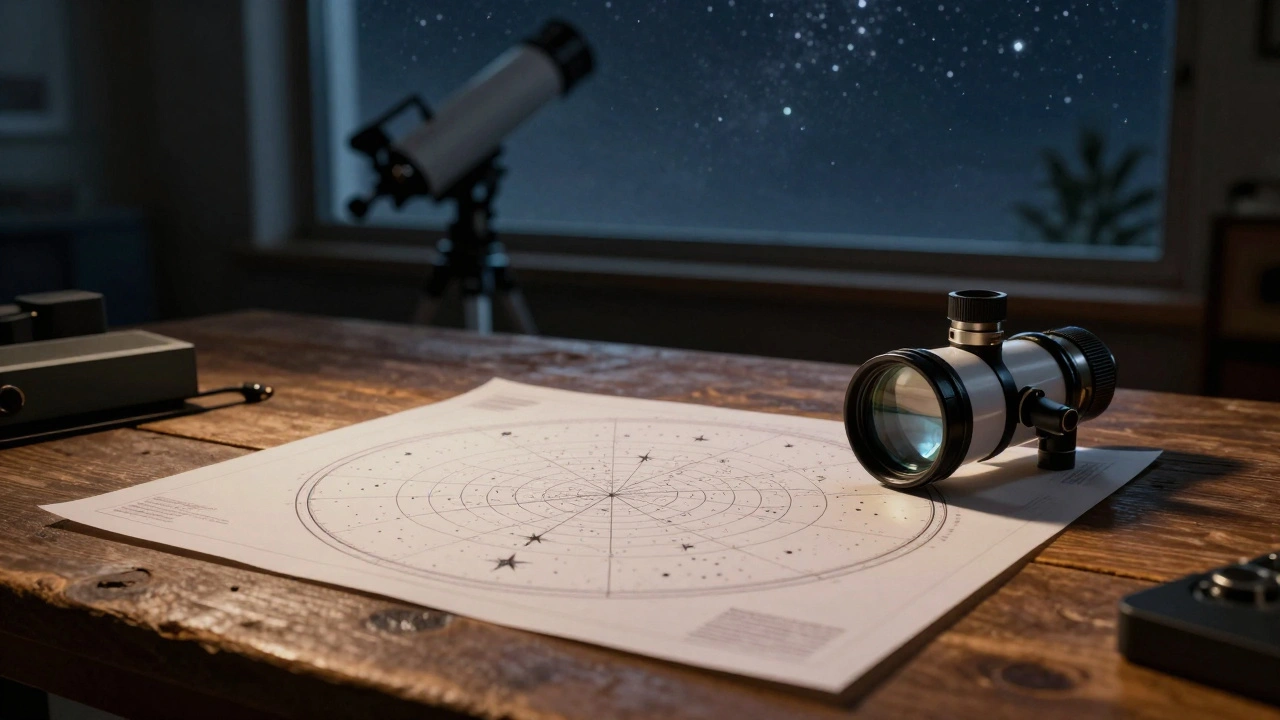
Printing Telescope Simulator Views: Creating Custom Star Charts and Eyepiece Guides
Learn how to use telescope simulators to print accurate star charts and eyepiece views, helping you find deep-sky objects without ruining your night vision.
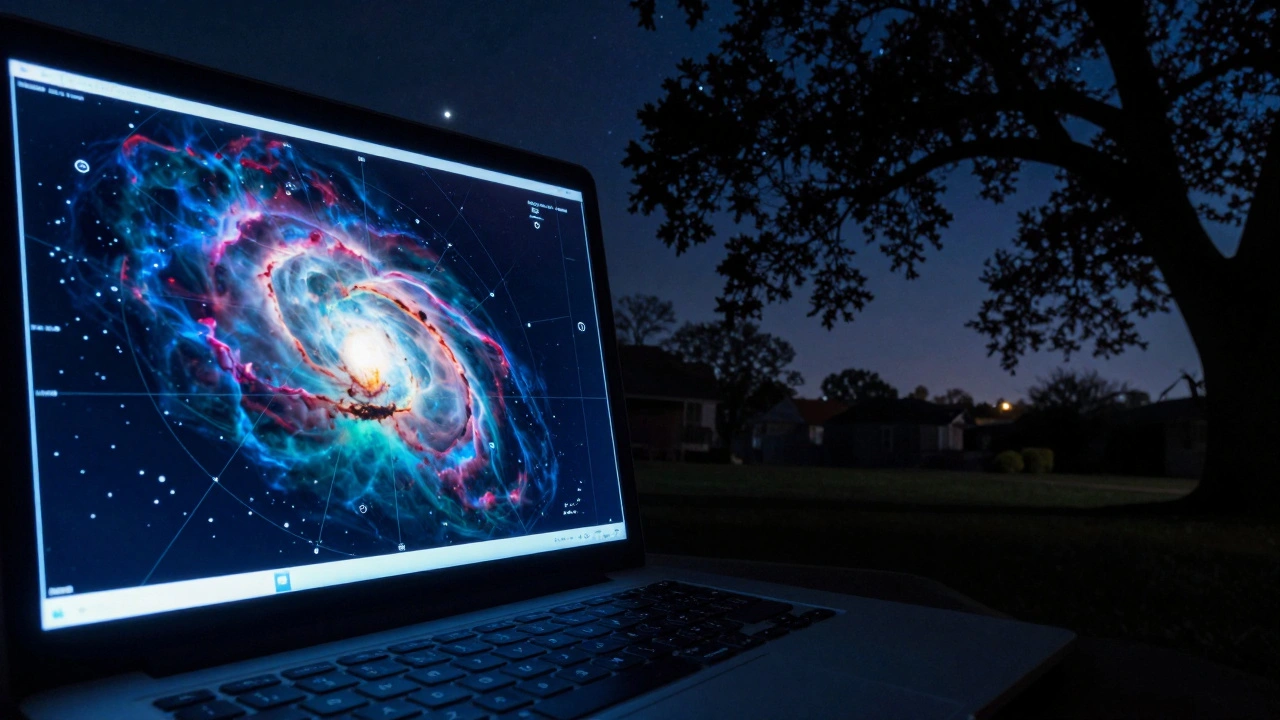
From Simulator to Sky: How to Plan Your Real Observing Night
Learn how to turn virtual plans from astronomy simulators into successful real-world observing nights with star hopping, light pollution tips, and alignment guides.
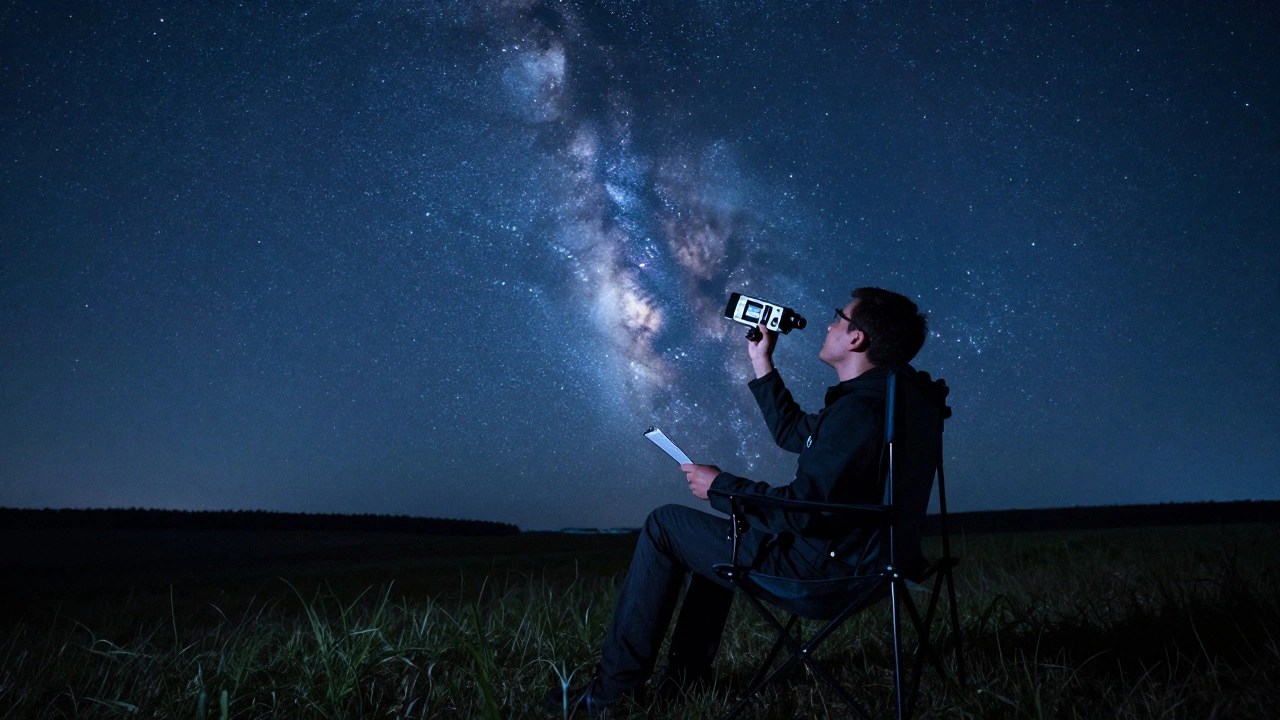
Visual Reporting Standards: How to Submit Accurate Meteor Counts to Databases
Learn the professional standards for reporting meteor counts. Master ZHR calculations, distinguish sporadics from showers, and submit valid data to global databases.
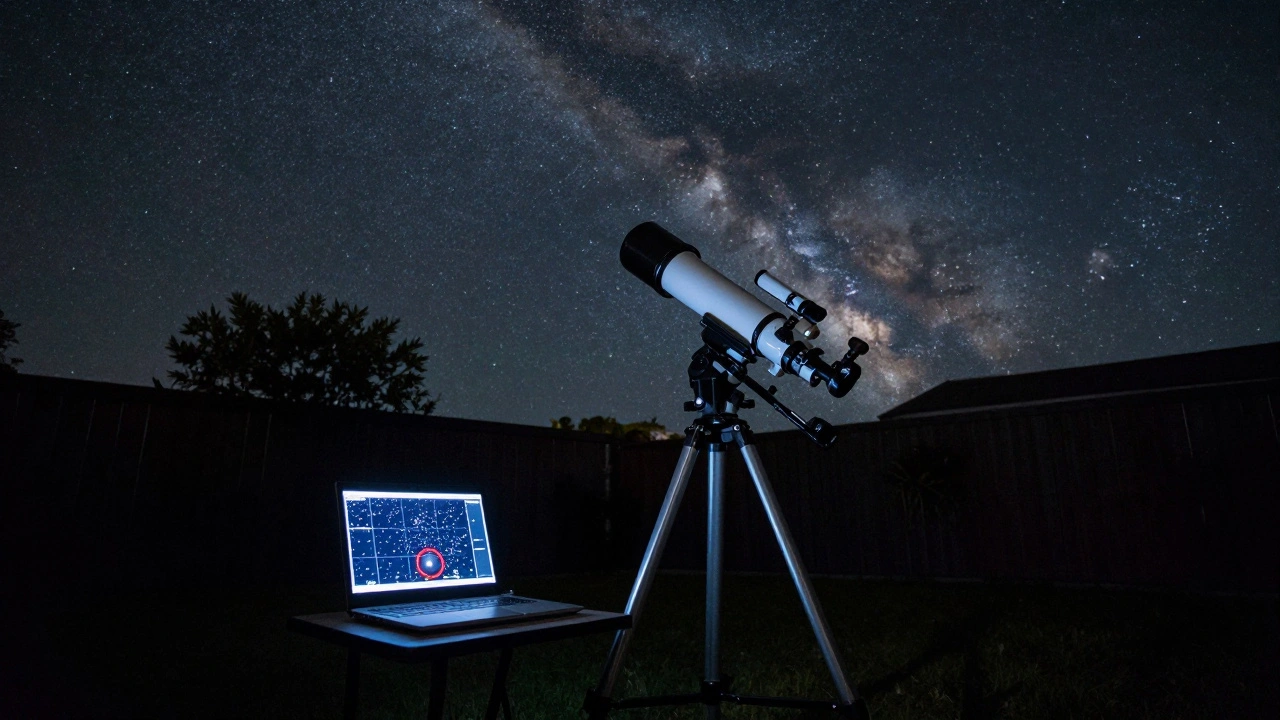
How to Submit Asteroid Astrometry to the MPC for NEO Confirmation
Learn how to submit asteroid astrometry to the Minor Planet Center (MPC) to confirm Near-Earth Objects (NEOs) using tools like Astrometrica and ASTAP.