Telescope Simulator - Page 3
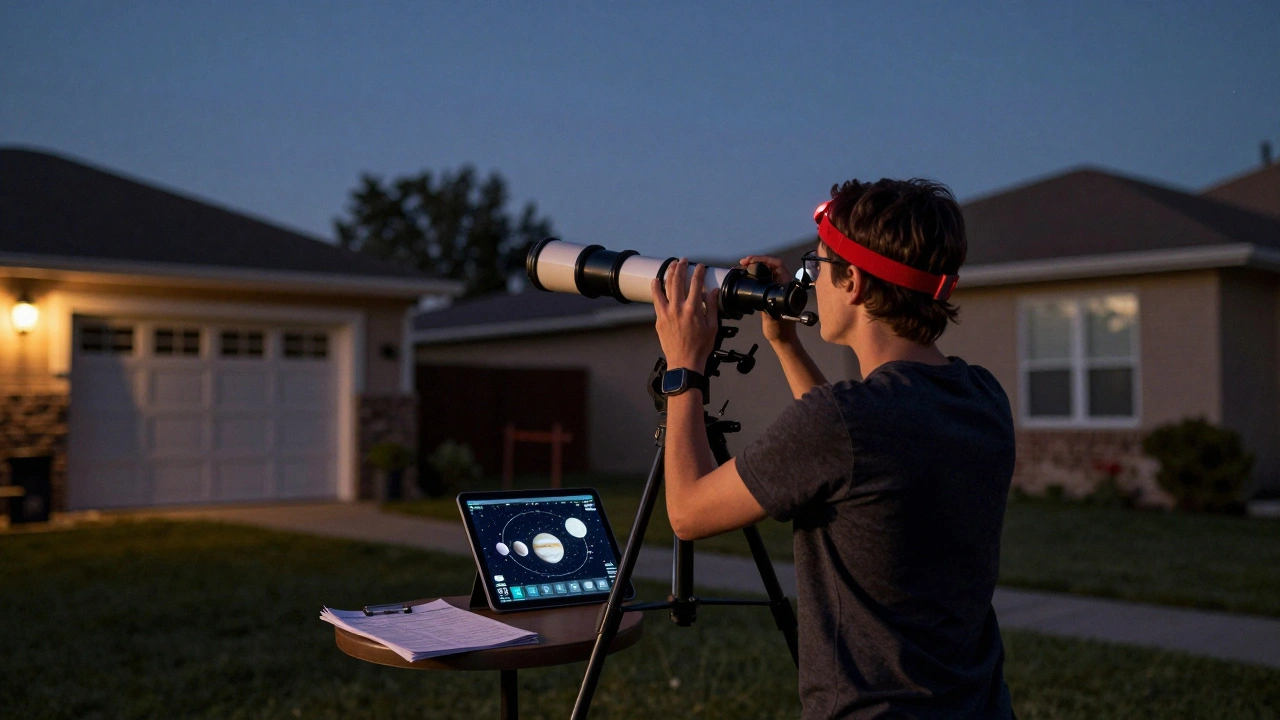
First Steps: Planning Your First Simulated Observation Session
Learn how to plan your first simulated observation session to make your real stargazing more successful. Start with one target, check sky conditions, and use free tools to prepare for a better view of the night sky.
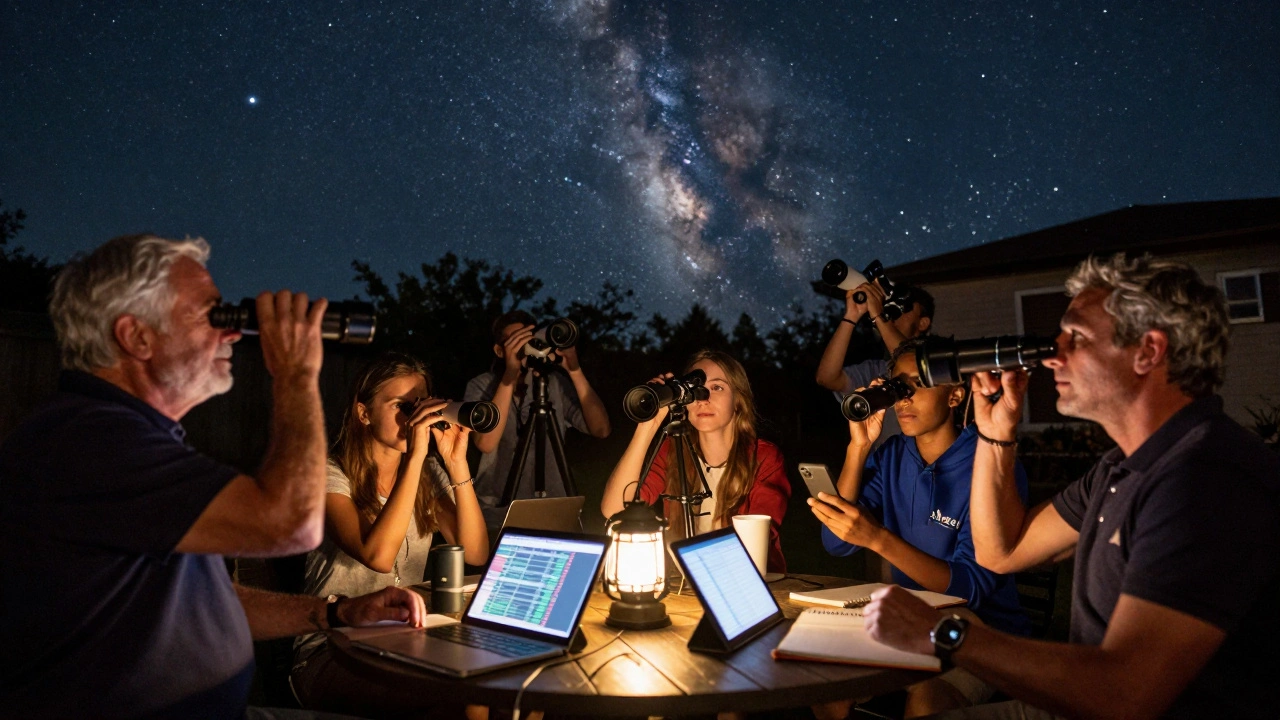
Citizen Science in Astronomy: How Amateur Observers Make Real Scientific Discoveries
Amateur astronomers are making real scientific discoveries by tracking stars, asteroids, and galaxies. From variable star data to new comet finds, citizen science is reshaping how we understand the universe.
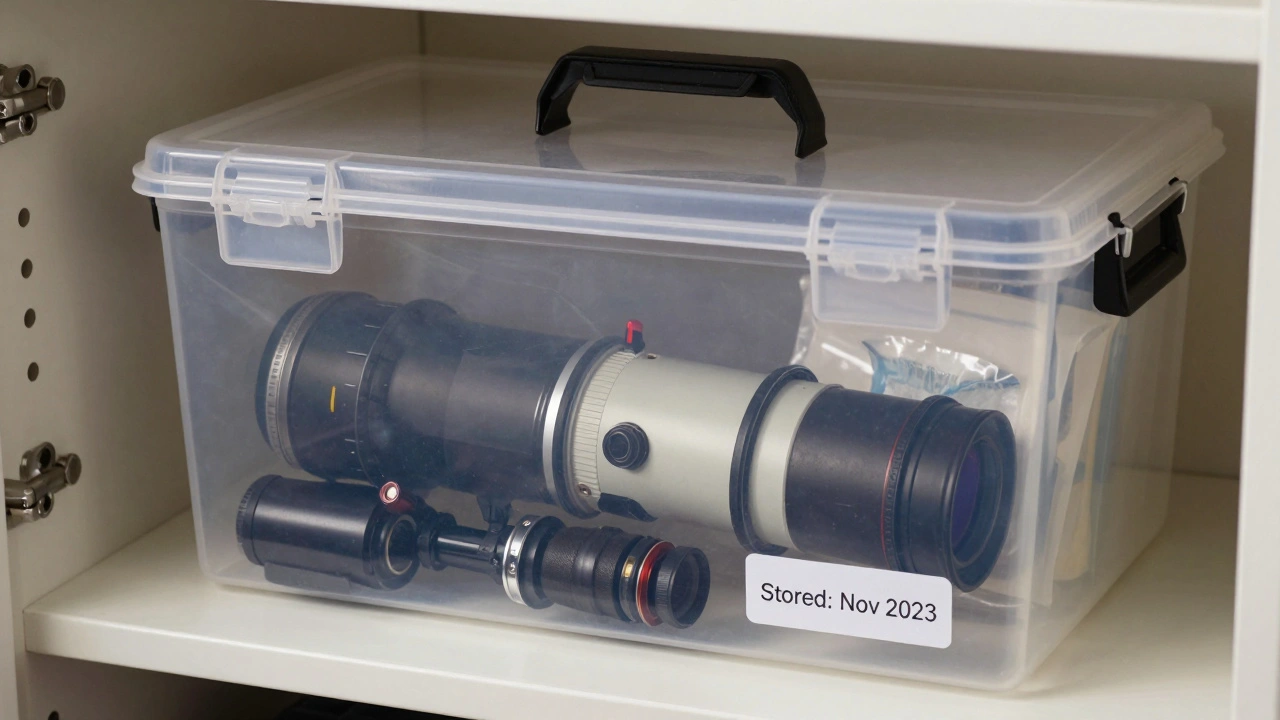
Long-Term Telescope Storage: How to Protect Your Telescope During Off-Season
Learn how to properly store your telescope during the off-season to prevent moisture damage, fungus, and mechanical wear. Simple steps like using silica gel, removing batteries, and storing in a sealed container can extend your scope's life for decades.
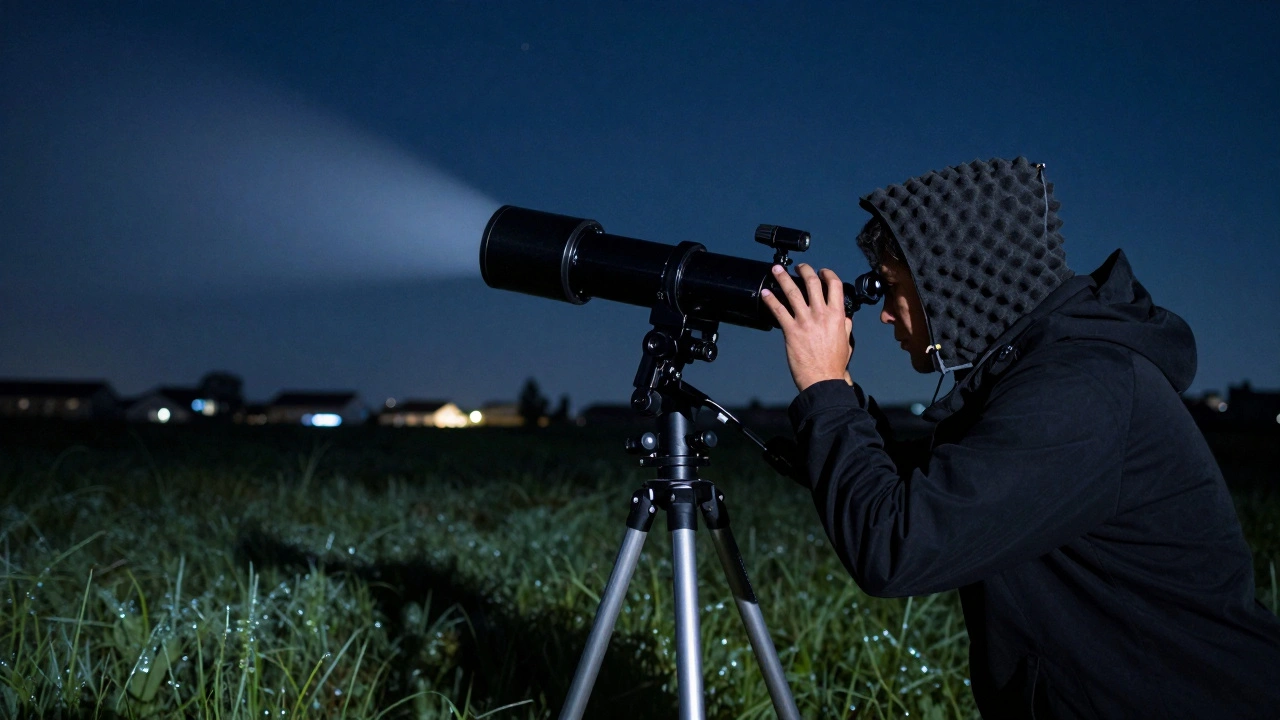
Glare Control: How Hoods, Shrouds, and Observing Huts Improve Night Sky Contrast
Learn how telescope hoods, shrouds, and observing huts improve contrast by blocking stray light-making faint deep-sky objects visible even under moderate light pollution.
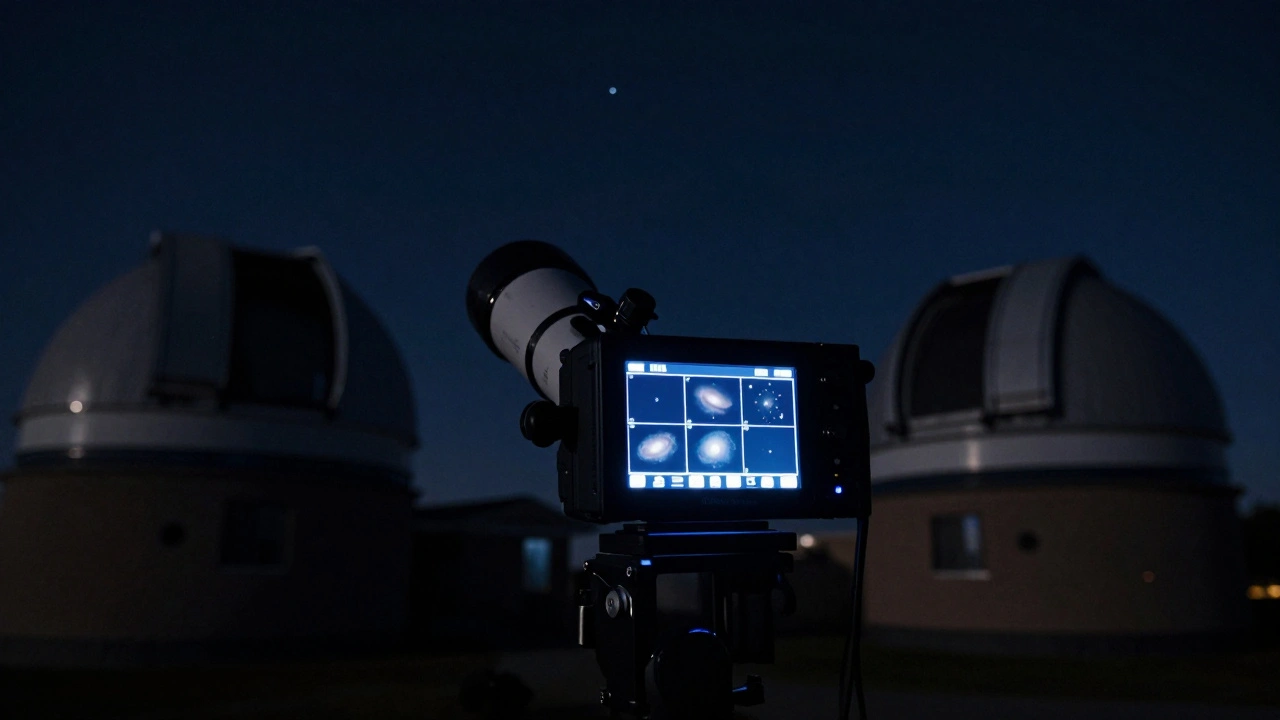
Lucky Imaging for Small Galaxies: High-Resolution Tactics with Short Subs
Lucky imaging with short exposures reveals hidden detail in small galaxies by capturing moments of stable atmosphere. This technique beats long exposures in resolution, especially under average seeing conditions.
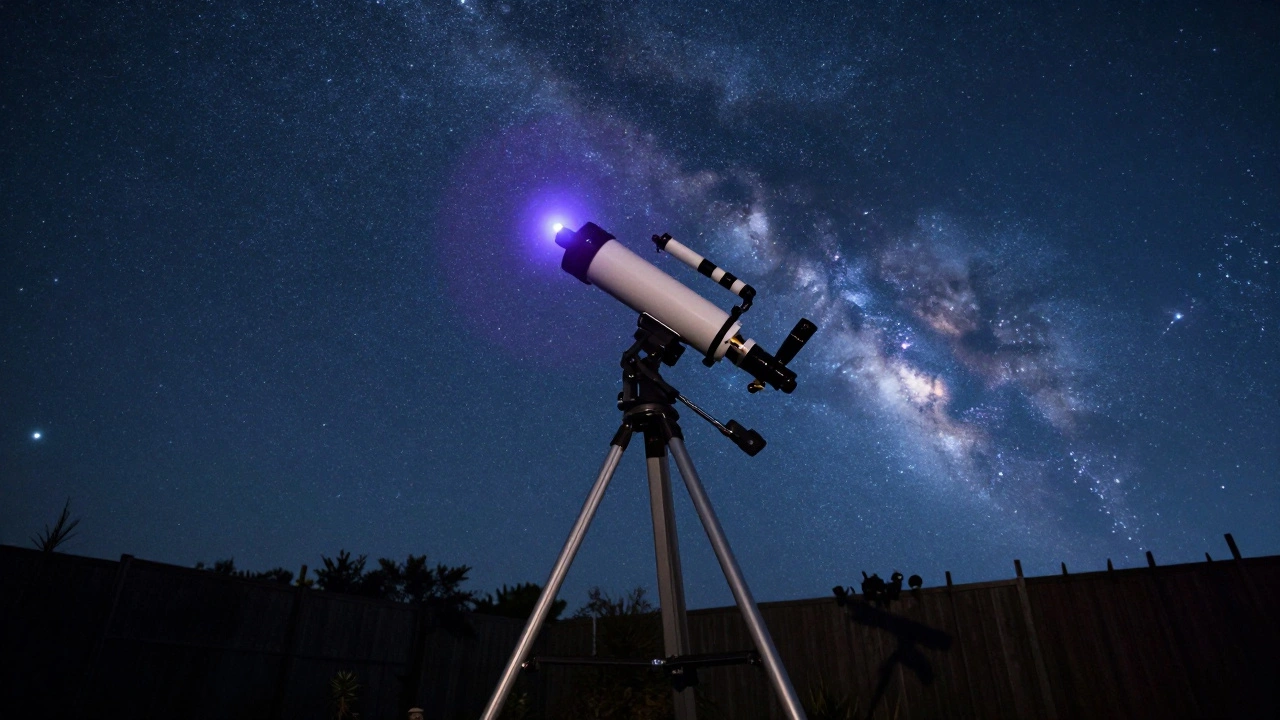
ED vs APO Refractors: What Extra-Low Dispersion Glass Really Changes
ED and APO refractors differ in how they correct color fringing. ED glass reduces chromatic aberration, while APO designs eliminate it entirely. Learn what real optical performance looks like and which scope is right for your goals.
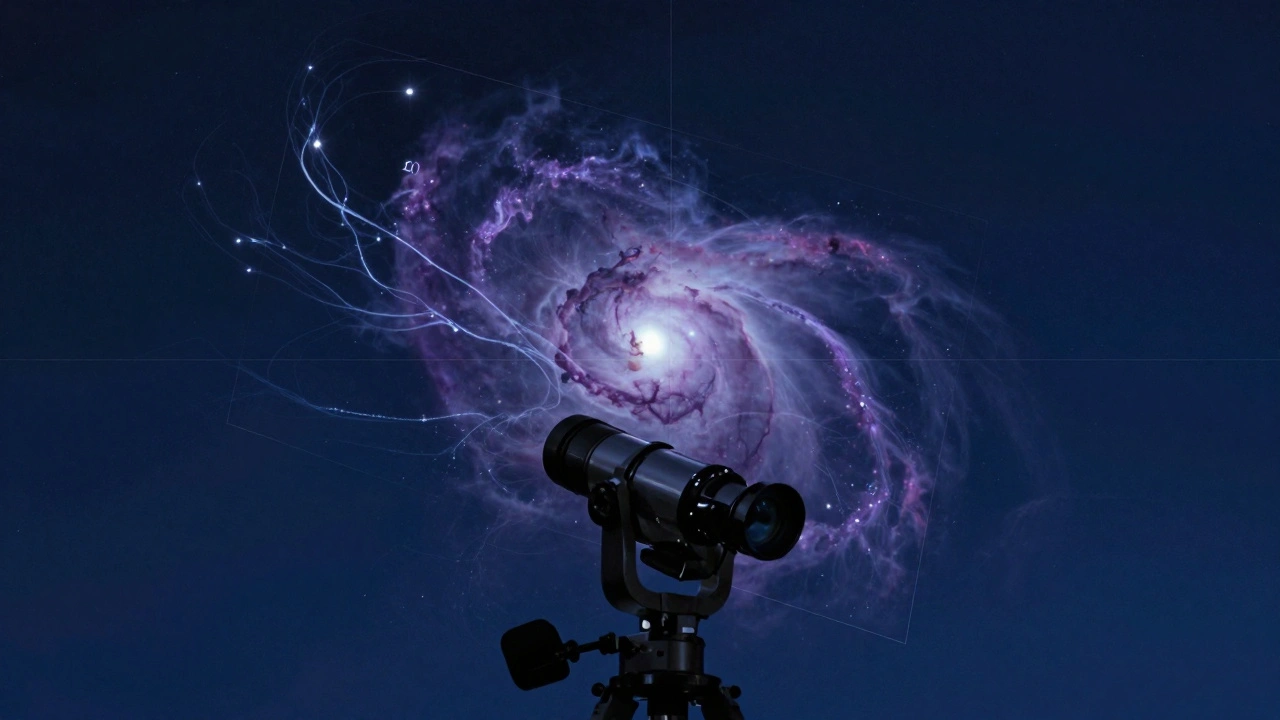
Target Framing in Telescopius: Rotations and Crops for Perfect Composition in Astrophotography
Learn how to use rotation and crop tools in Telescopius to frame deep-sky targets with precision and artistic intent. Perfect your astrophotography composition before you even begin imaging.
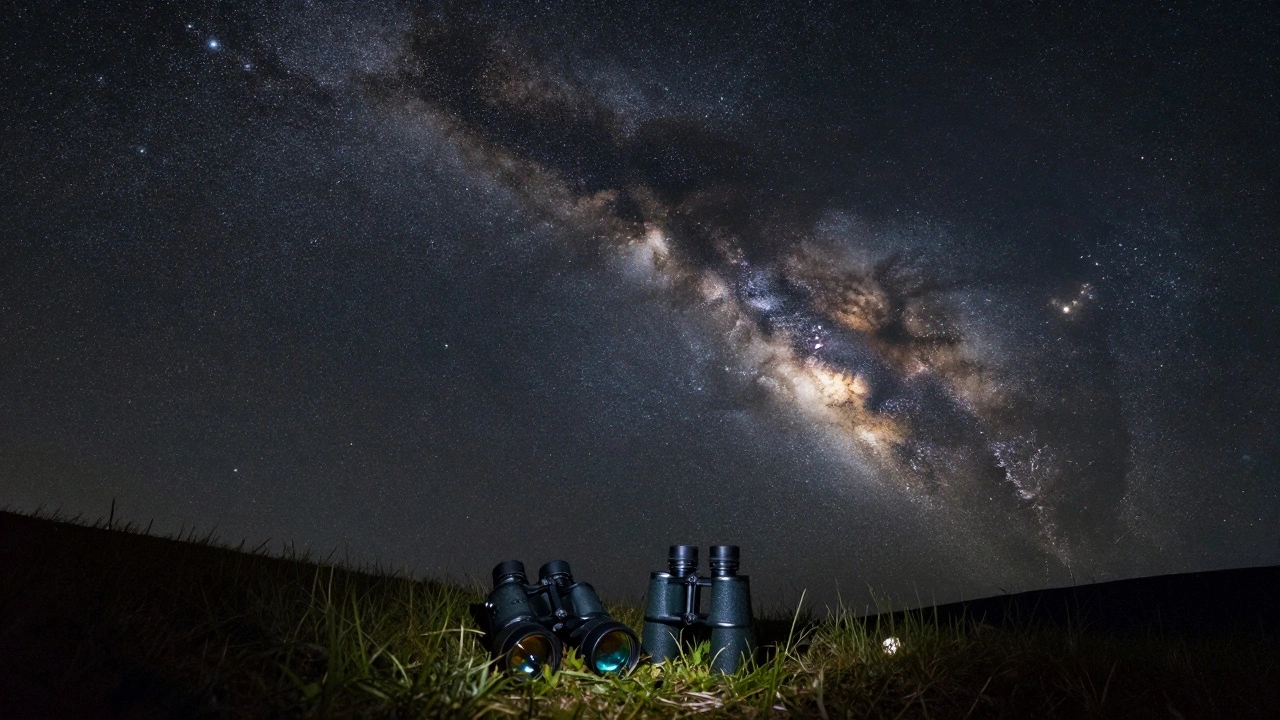
Dark Nebulae and Dust Lanes: How to Find Barnard Objects with Binoculars and Telescopes
Discover how to spot dark nebulae and dust lanes using just binoculars or a small telescope. Learn which Barnard objects are visible in 2026 and how to find them without fancy gear.
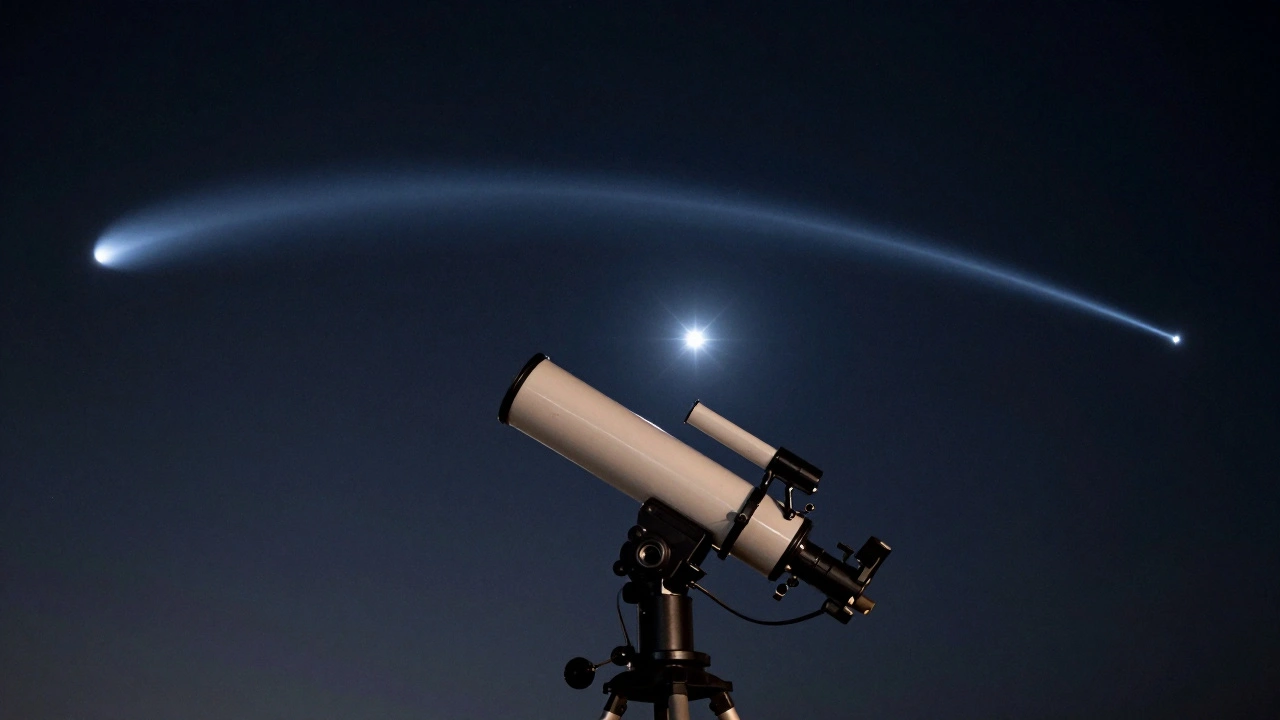
Off-Axis Aberrations: Diagnosing Coma and Astigmatism After Collimation
Off-axis aberrations like coma and astigmatism persist even after perfect collimation. Learn how to diagnose and fix them in Newtonian telescopes with practical tests and real-world solutions.
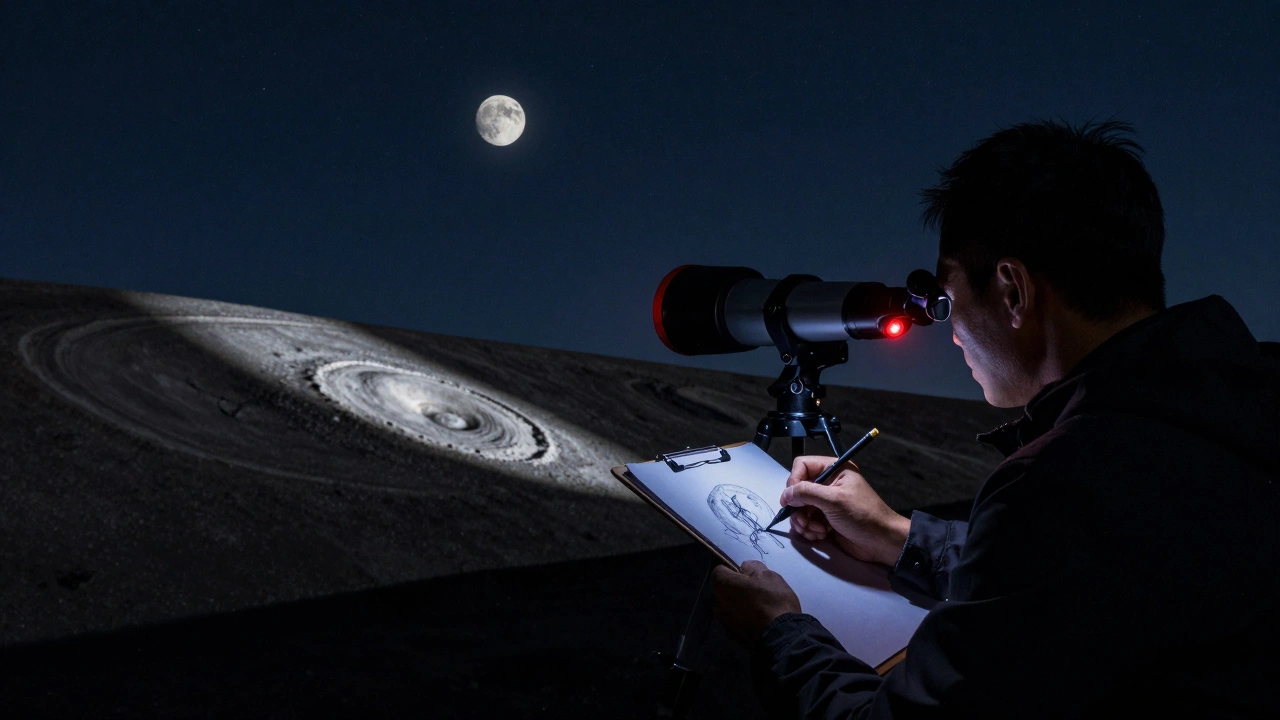
Lunar Sketching: Techniques for Recording Fine Shadows and Texture
Learn how to sketch the Moon's fine shadows and surface texture using simple tools and observational techniques. No art skills needed-just patience, a pencil, and a dark night.
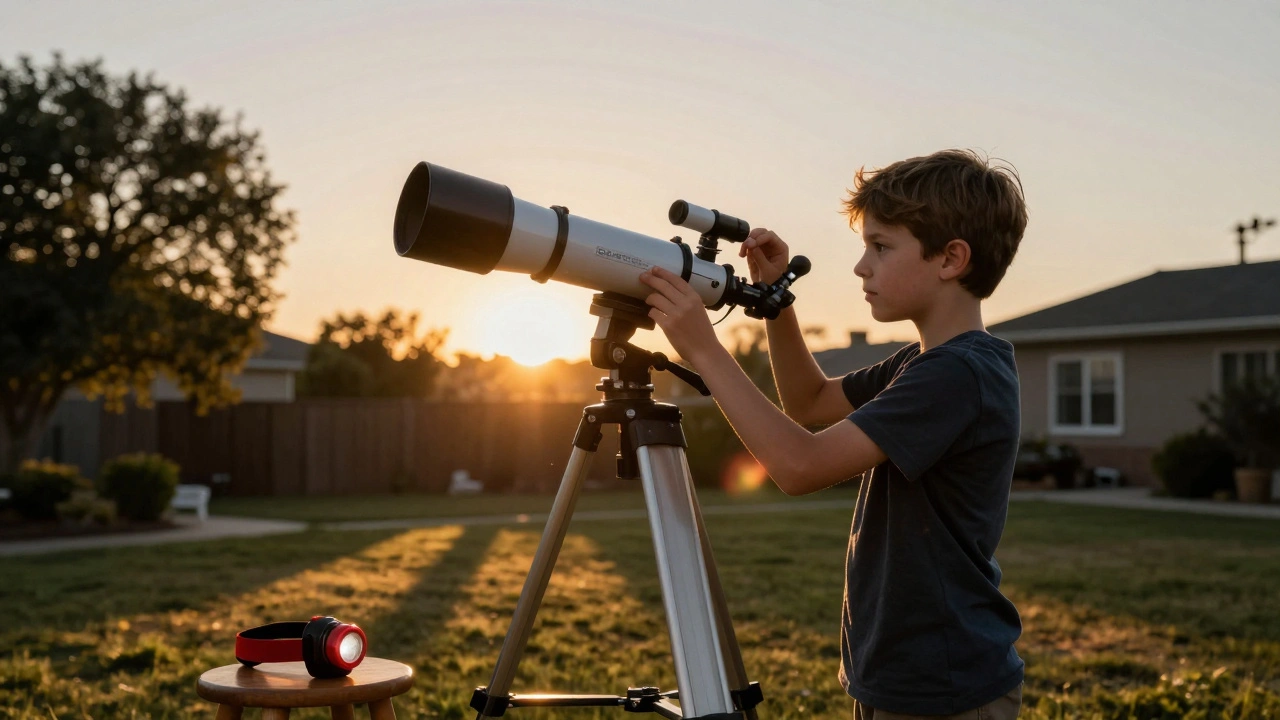
Beginner Safety: Solar Filters and Nighttime Trip Hazards for New Telescope Users
New telescope users need to know solar filters prevent permanent eye damage and nighttime hazards like tripping can lead to serious injury. This guide covers essential safety tips for beginners.
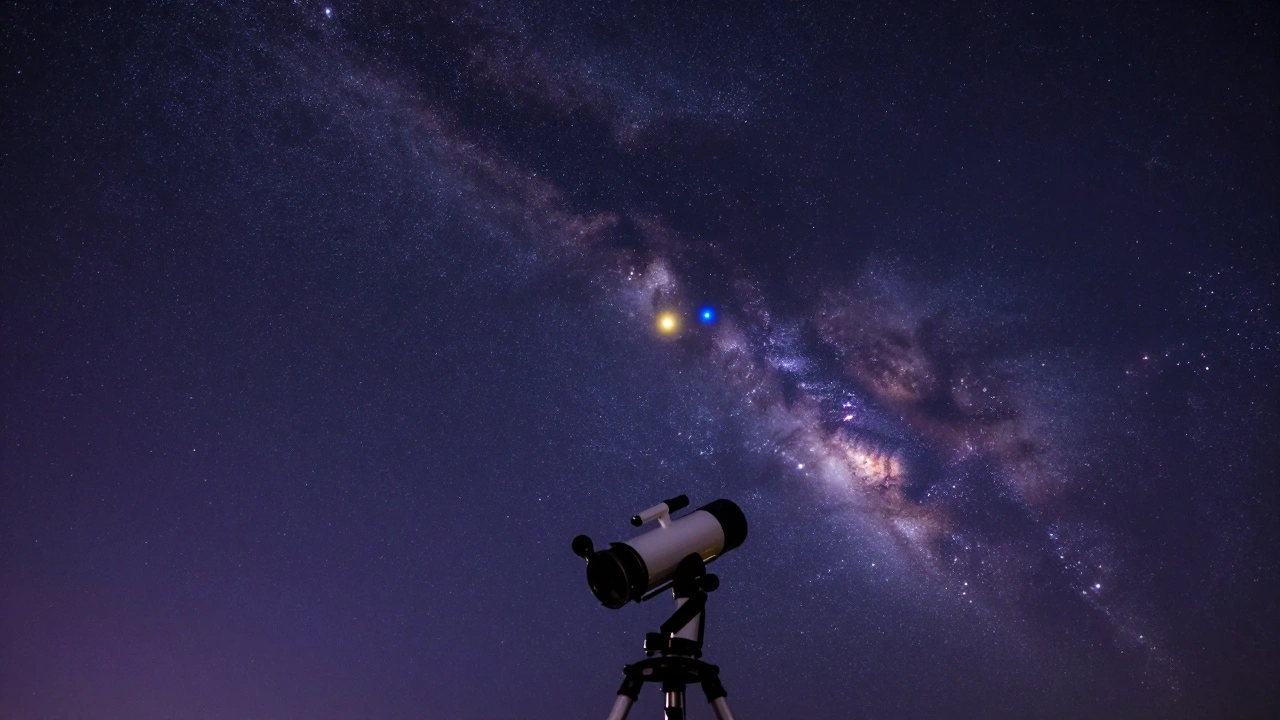
Double Star Catalogs and References: Finding Complete Lists of Observing Targets
Discover how to use modern double star catalogs like the Washington Double Star Catalog to find the best visual targets for your telescope. Learn which pairs are easiest to observe and how to build your own observing list.