Category: Astronomy & Equipment - Page 3
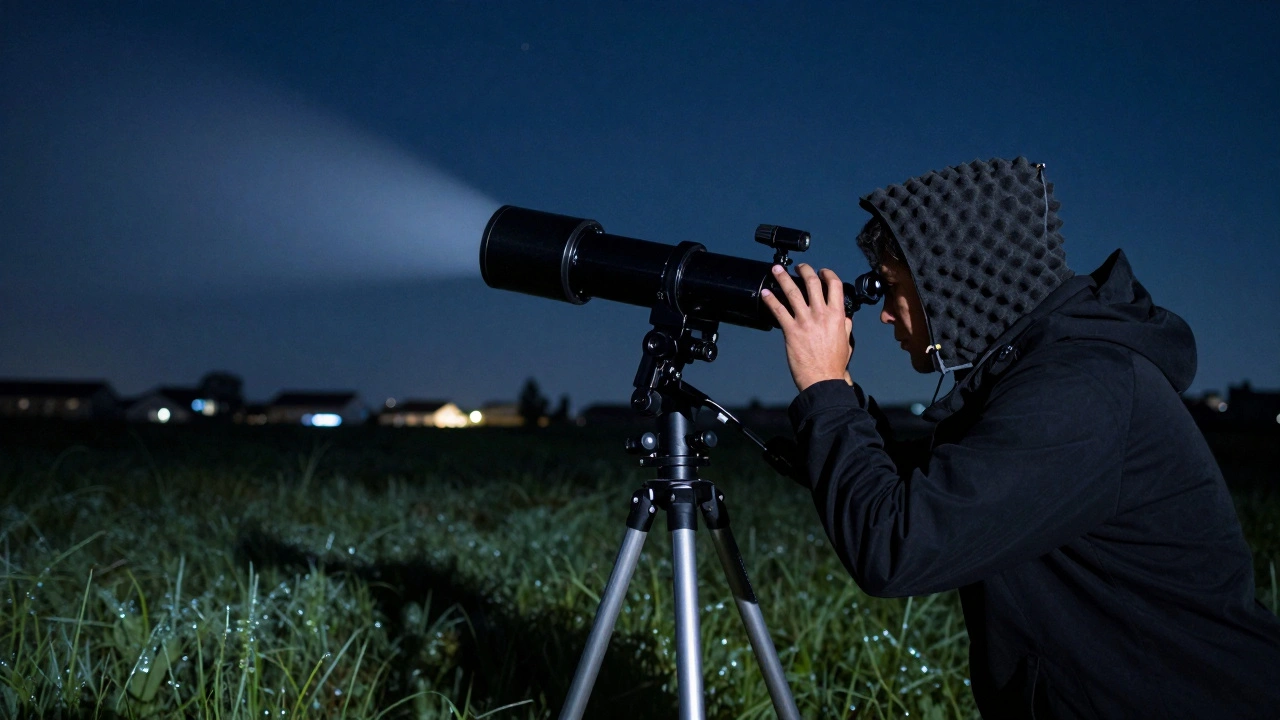
Glare Control: How Hoods, Shrouds, and Observing Huts Improve Night Sky Contrast
Learn how telescope hoods, shrouds, and observing huts improve contrast by blocking stray light-making faint deep-sky objects visible even under moderate light pollution.
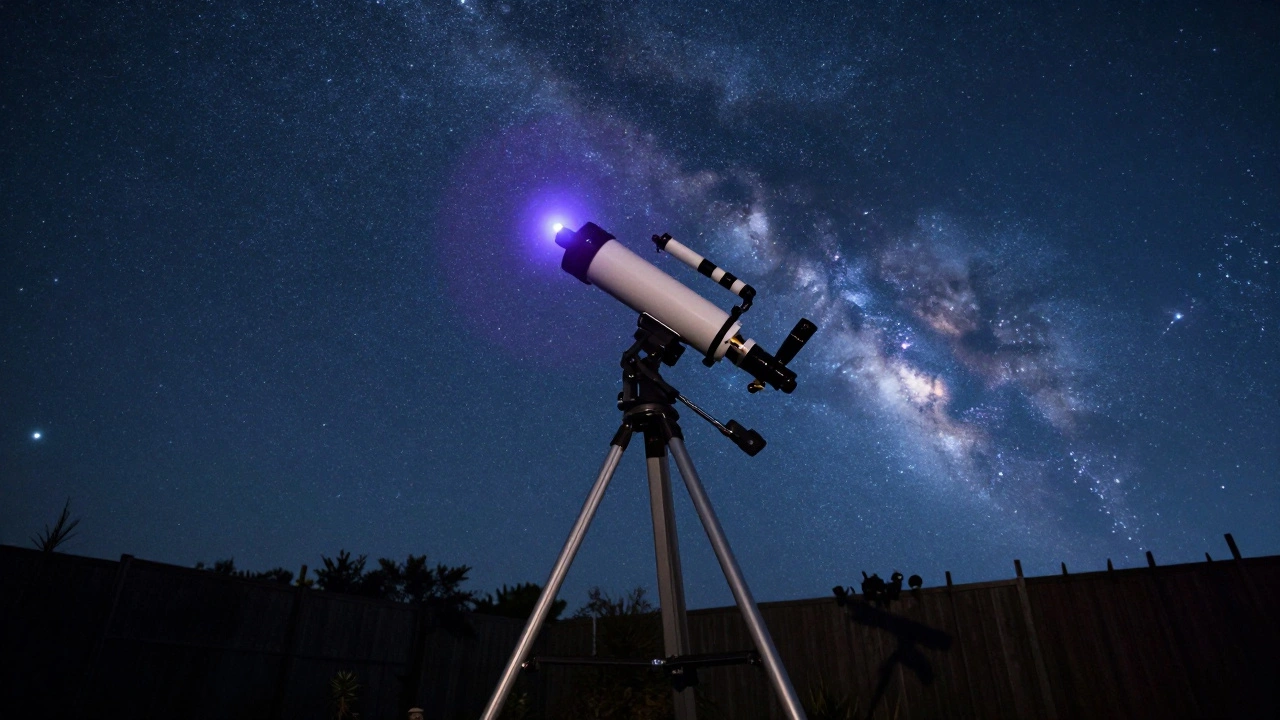
ED vs APO Refractors: What Extra-Low Dispersion Glass Really Changes
ED and APO refractors differ in how they correct color fringing. ED glass reduces chromatic aberration, while APO designs eliminate it entirely. Learn what real optical performance looks like and which scope is right for your goals.
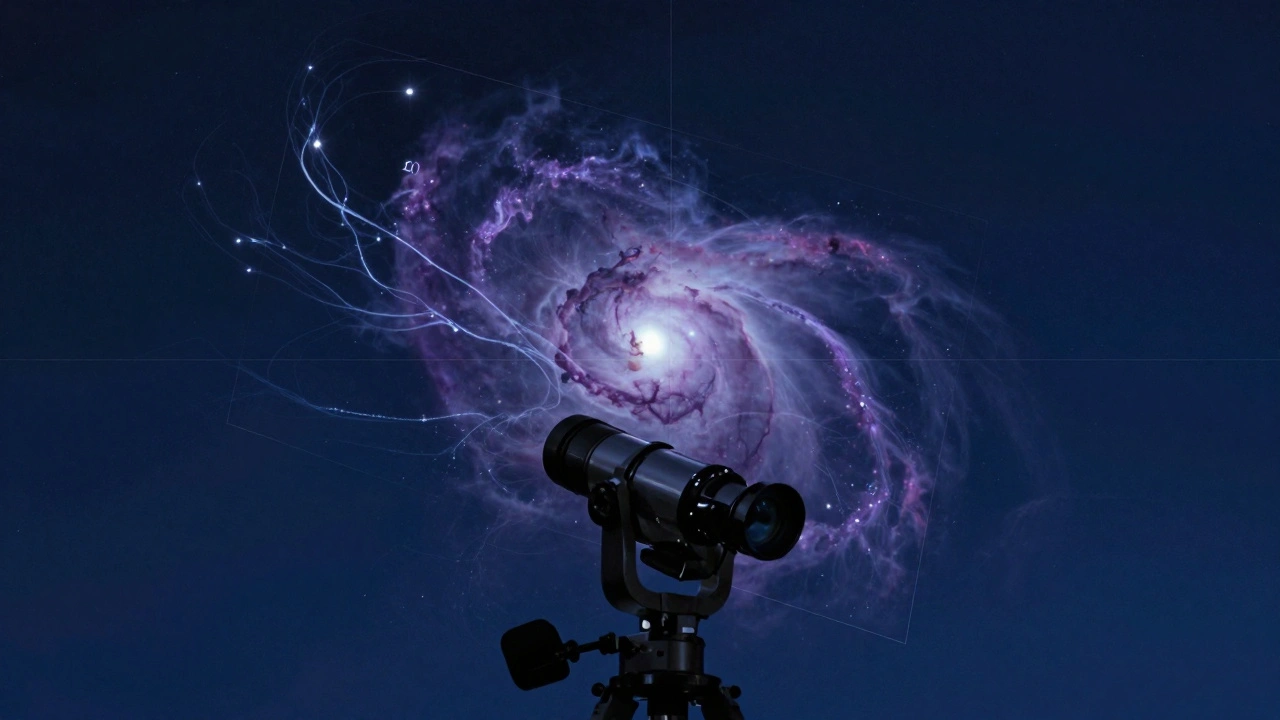
Target Framing in Telescopius: Rotations and Crops for Perfect Composition in Astrophotography
Learn how to use rotation and crop tools in Telescopius to frame deep-sky targets with precision and artistic intent. Perfect your astrophotography composition before you even begin imaging.
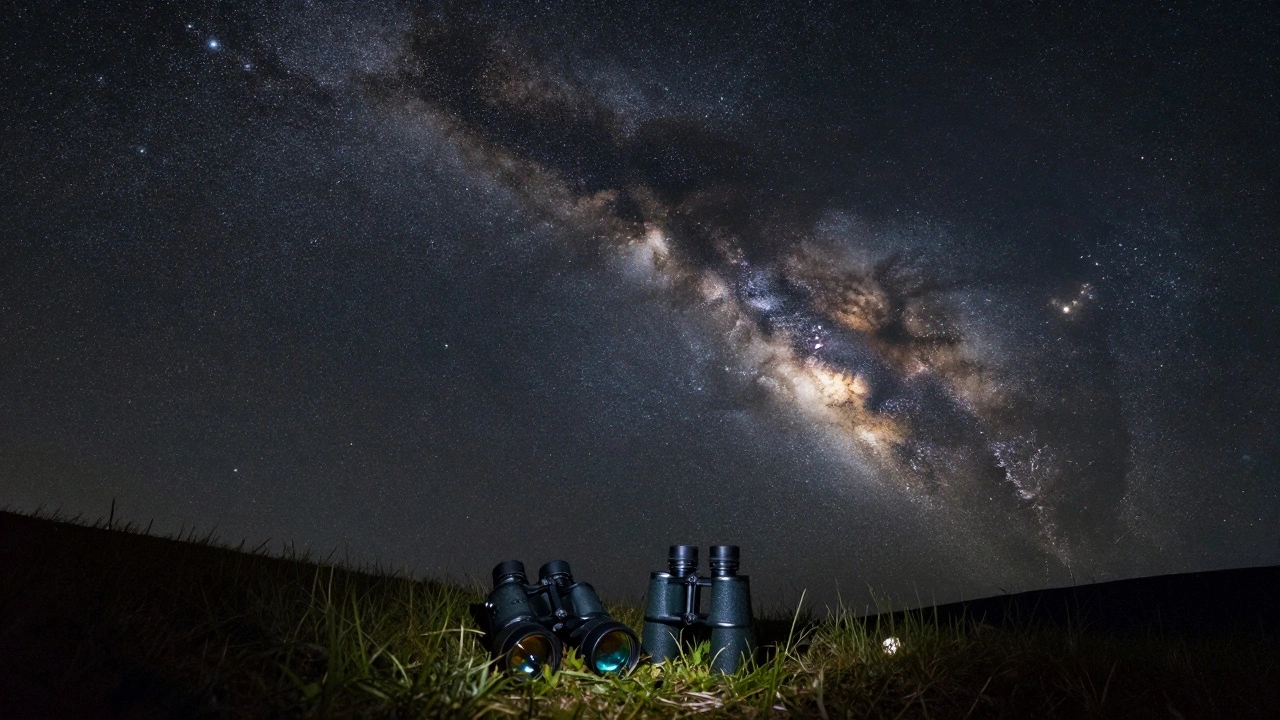
Dark Nebulae and Dust Lanes: How to Find Barnard Objects with Binoculars and Telescopes
Discover how to spot dark nebulae and dust lanes using just binoculars or a small telescope. Learn which Barnard objects are visible in 2026 and how to find them without fancy gear.
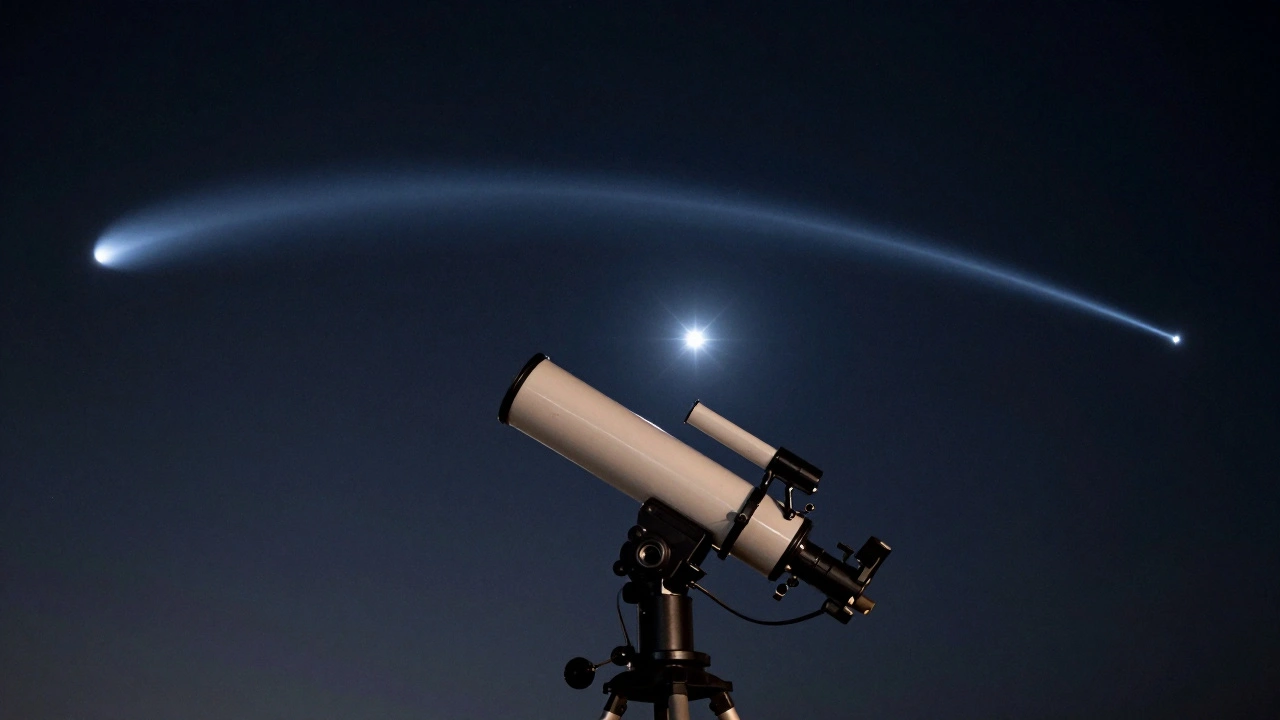
Off-Axis Aberrations: Diagnosing Coma and Astigmatism After Collimation
Off-axis aberrations like coma and astigmatism persist even after perfect collimation. Learn how to diagnose and fix them in Newtonian telescopes with practical tests and real-world solutions.
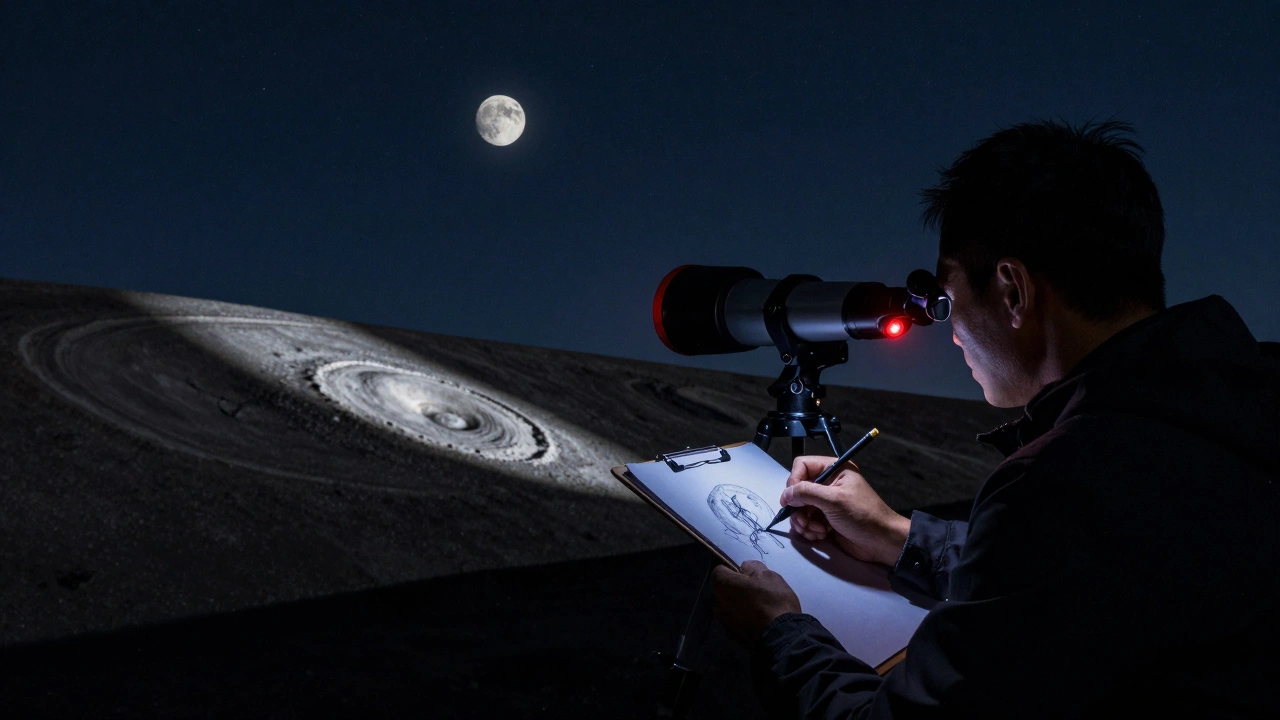
Lunar Sketching: Techniques for Recording Fine Shadows and Texture
Learn how to sketch the Moon's fine shadows and surface texture using simple tools and observational techniques. No art skills needed-just patience, a pencil, and a dark night.
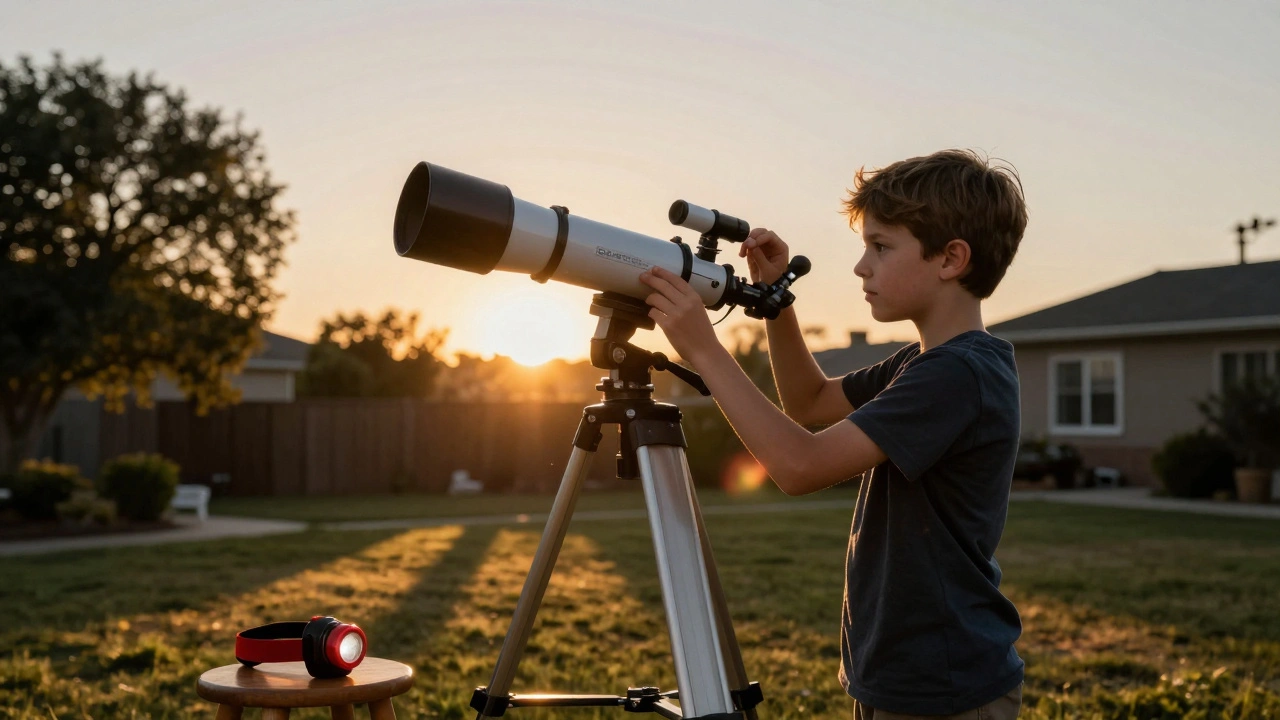
Beginner Safety: Solar Filters and Nighttime Trip Hazards for New Telescope Users
New telescope users need to know solar filters prevent permanent eye damage and nighttime hazards like tripping can lead to serious injury. This guide covers essential safety tips for beginners.
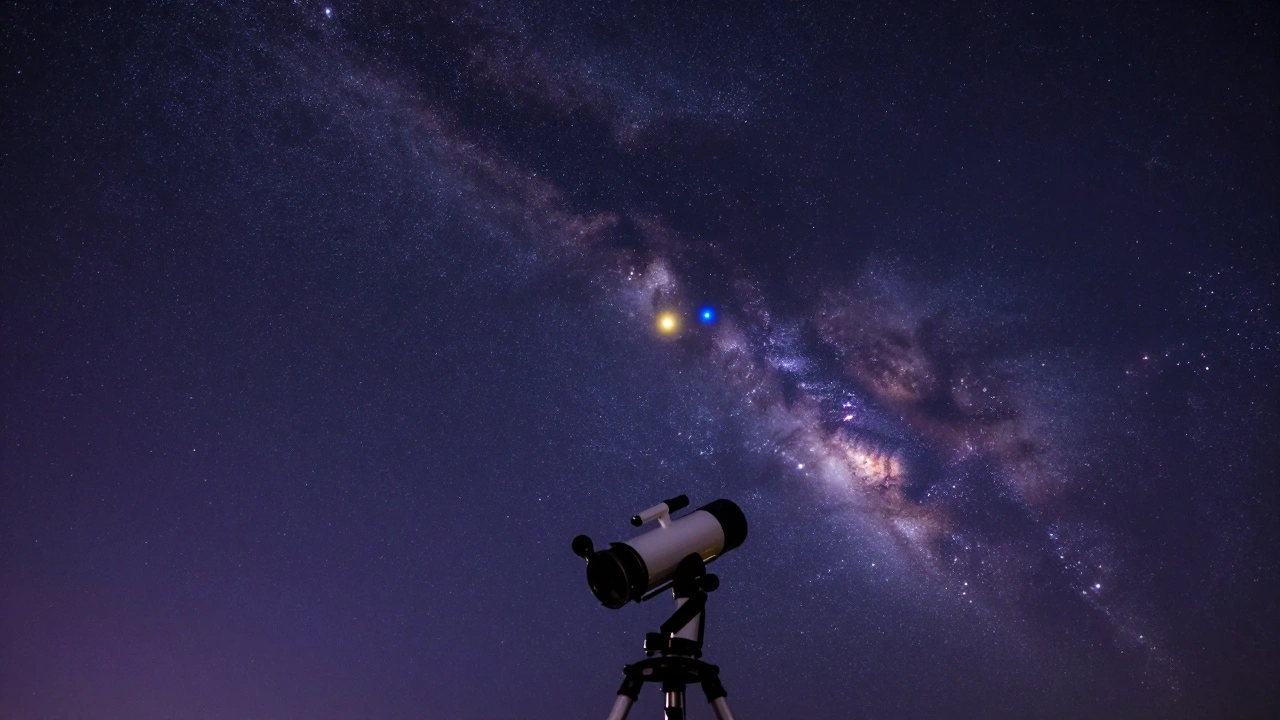
Double Star Catalogs and References: Finding Complete Lists of Observing Targets
Discover how to use modern double star catalogs like the Washington Double Star Catalog to find the best visual targets for your telescope. Learn which pairs are easiest to observe and how to build your own observing list.
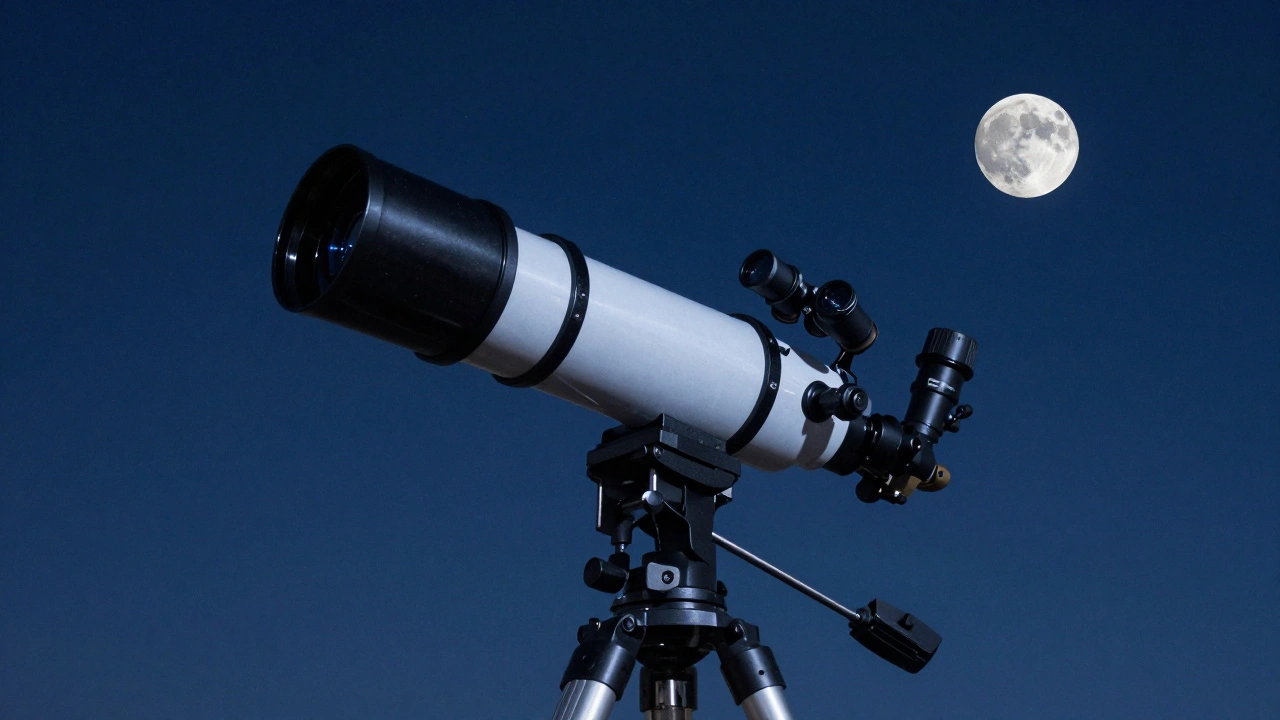
Binoviewer Eyepiece Pairs: Matching Focal Length and Weight for Better Observing
Matching focal length and weight in binoviewer eyepiece pairs ensures sharp, comfortable viewing. Learn how to test, balance, and choose the right pairs for clear, strain-free astronomy.
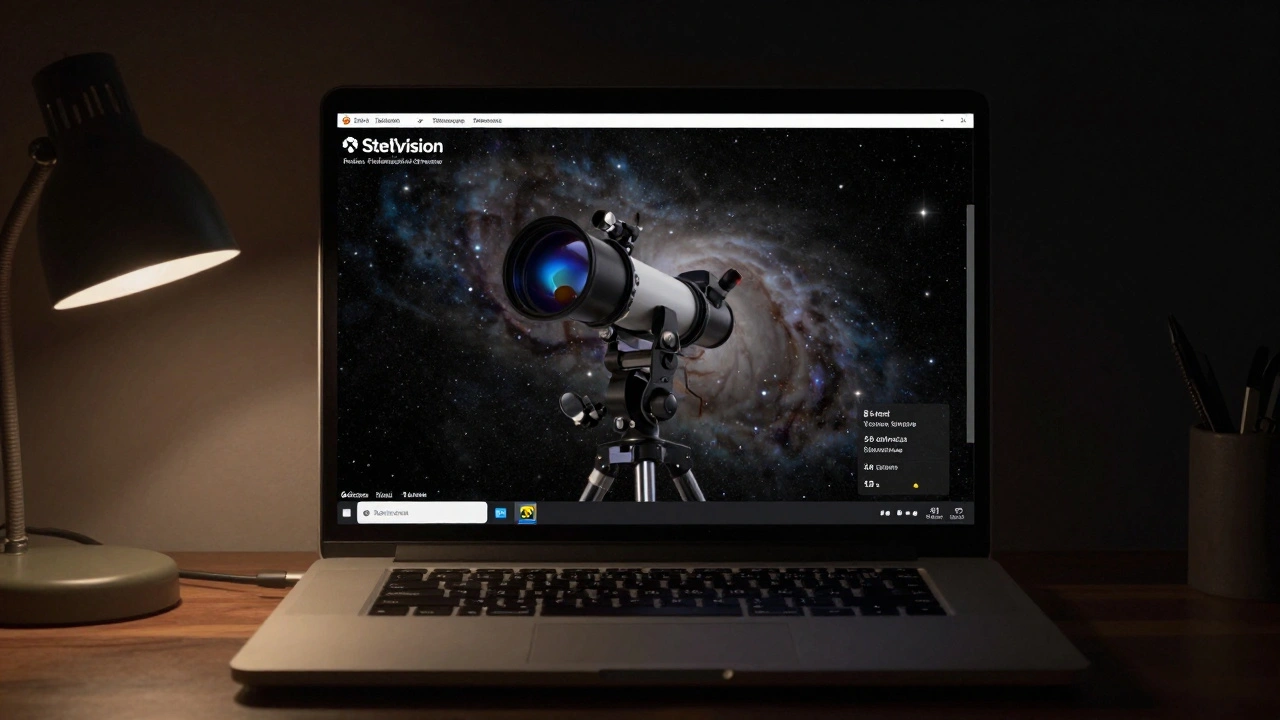
Stelvision Telescope Simulator: Complete Guide to Features and Functionality
Stelvision Telescope Simulator lets you preview exactly what your telescope will show you under any conditions. It's not a planetarium app-it's a precision tool for beginners and experts alike, simulating real optical performance based on your gear.
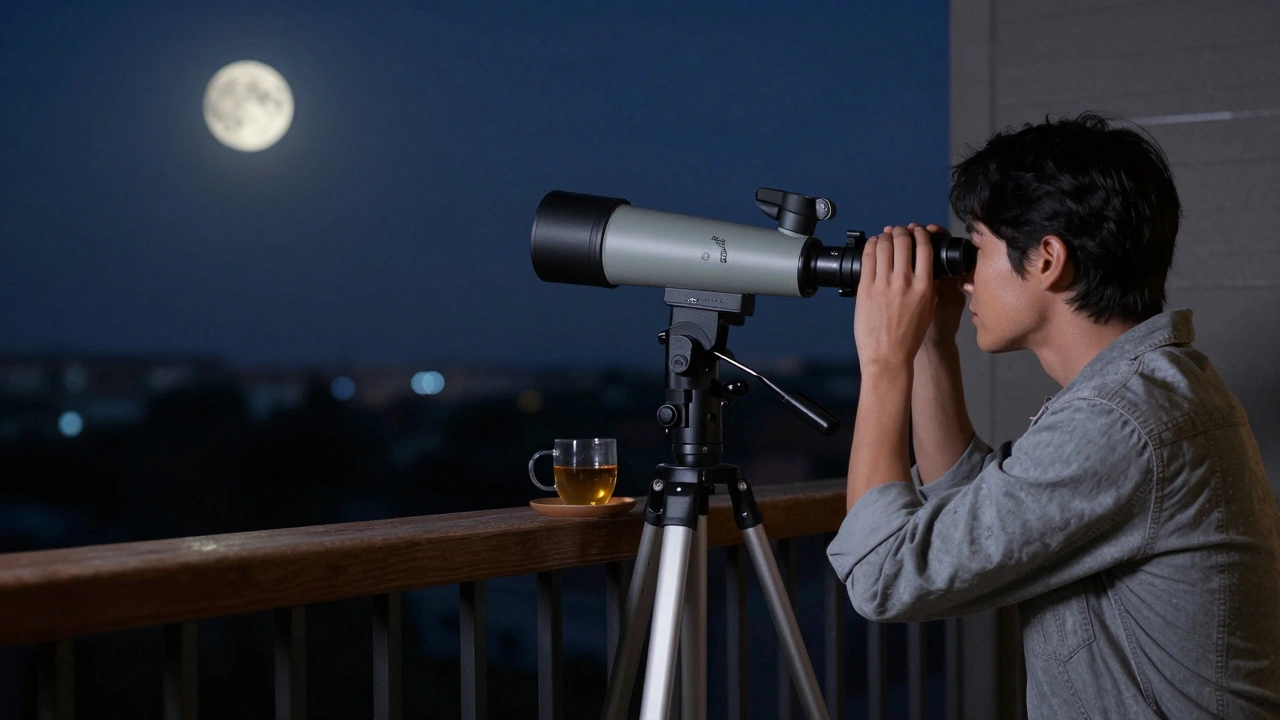
Tabletop vs Full-Size Telescopes: Which One Really Fits Your Space and Lifestyle?
Choosing between a tabletop and full-size telescope comes down to space, usage, and how serious you are about seeing deep-sky objects. Tabletop scopes are convenient but limited; full-size scopes deliver power and detail-if you have room for them.
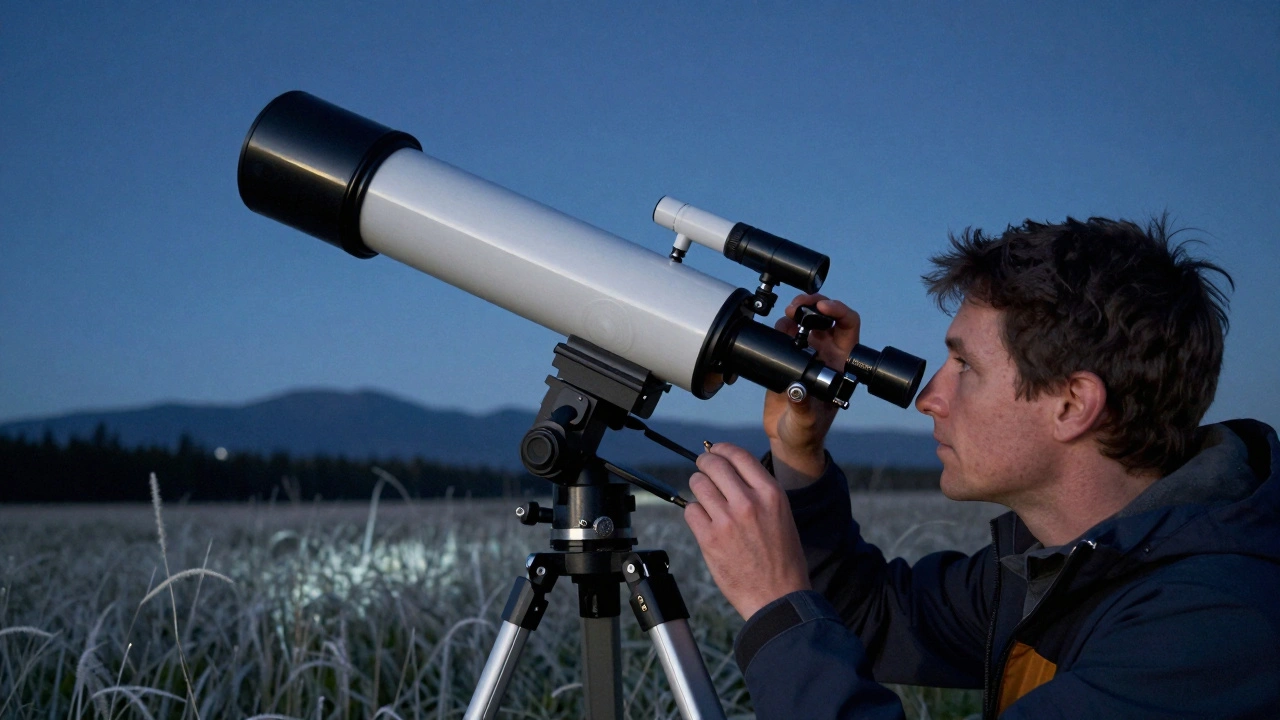
Collimation Myths: Separating Internet Advice from Optical Reality
Collimation myths are everywhere in astronomy. Learn what actually matters for telescope alignment-no lasers, no rituals, just real optics and practical tips to get clear stars without wasting time.